Research, insights, and updates from the isMalicious team.
The global internet is fracturing into regional, regulated intranets. We explore the rise of the "Splinternet" and its impact on cybersecurity and global business.

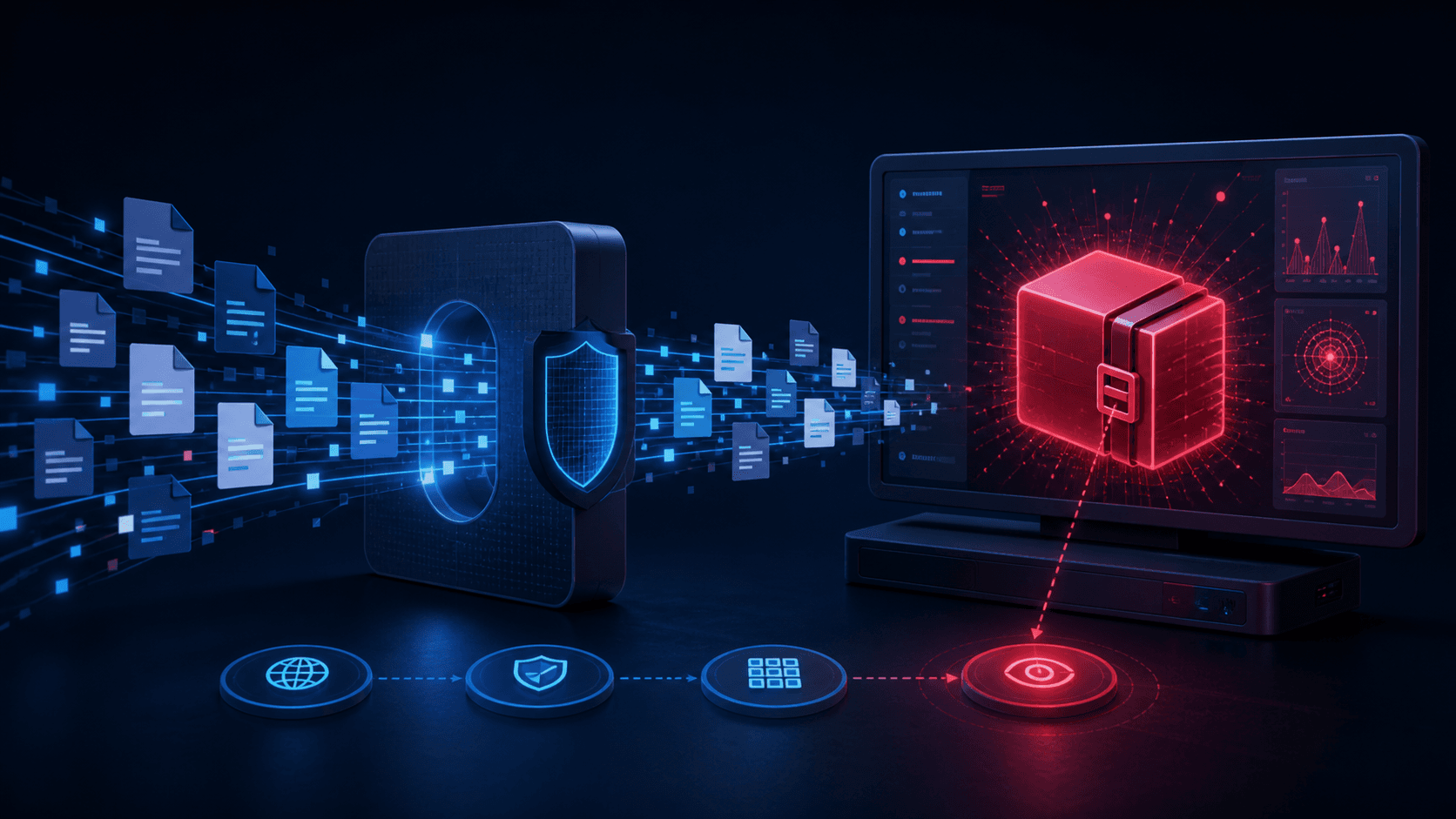
Steganography hides data within innocent-looking files like images or audio. Learn how hackers use digital steganography to smuggle malware and steal data.

Traditional antivirus relies on signatures, but polymorphic malware changes its code every time it replicates. Discover how this shapeshifting threat evades detection.

Synthetic identity fraud is the fastest-growing financial crime. Learn how criminals combine real and fake data to create "ghost" identities and how to detect them.

Botnets are networks of infected devices controlled by cybercriminals. Find out how they work, what they do, and how to check if your IP is involved.

Typosquatting relies on your fingers slipping. Learn how attackers register look-alike domains to steal your data and how to check URLs before you click.

Confused by the Dark Web and Deep Web? We explain the difference and where cyber threats like stolen credentials and malware actually live.

Learn why email reputation matters for security and deliverability, and how to check if an email address is compromised or malicious.

Discover how hackers control infected devices using Command and Control (C2) servers and how to detect these hidden threats.

As space becomes accessible, it becomes a target. From satellite hijacking to ground station jamming, we analyze the unique threats to orbital assets and how threat intelligence secures the new space race.

As the enterprise Metaverse expands, so does the attack surface. From avatar impersonation to spatial data theft, we explore the new frontier of virtual threats and how IP reputation protects digital assets.

Unauthorized drones pose a threat to critical infrastructure, stadiums, and prisons. This post explores Counter-Unmanned Aircraft Systems (C-UAS), detection methods, and how strict "no-fly" zones are enforced electronically.

Connected traffic lights, sensors, and water systems create a vast attack surface in modern cities. We examine the vulnerabilities of smart city infrastructure and the cascading failures a cyberattack could cause.

Are fingerprints and facial recognition truly secure? We explore the techniques attackers use to spoof biometric sensors, from 3D-printed faces to synthetic voice cloning.

Operational Technology (OT) environments are under siege. We analyze the latest ICS-specific malware strains targeting PLCs and SCADA systems, and offer defense strategies for critical infrastructure.

Attack surfaces expand vertically as LEO constellations integrate with enterprise networks. This post details orbital jamming, ground station spoofing, and the lack of encryption standards in commercial satellite systems for security engineers.

As quantum supremacy nears, the threat to RSA and ECC encryption becomes existential. This analysis explores Post-Quantum Cryptography (PQC) migration strategies for security teams and the immediate risks of Harvest Now, Decrypt Later (HNDL) attacks.

Often confused, these two security practices serve very different purposes. Discover when to use automated scanning and when to invest in a manual penetration test.

Comparing isMalicious and VirusTotal for threat intelligence. Discover which IP and domain reputation API is right for your security stack — from pricing and features to real-time streaming and monitoring.

When a cyberattack strikes, panic is your enemy. Learn how to create and test an incident response plan to ensure your team knows exactly what to do.

AbuseIPDB is the go-to for IP reputation, but what about domains and URLs? Compare isMalicious and AbuseIPDB across coverage, API features, pricing, and monitoring to find the right threat intelligence tool for your stack.

A beginner's guide to common cyber threats. Understand malware, viruses, and hackers, and learn how to protect yourself online.

Learn how to check if an IP address is malicious. A simple guide for beginners to understand IP reputation and stay safe online.

Identity is the new perimeter. Discover specific best practices for Identity and Access Management (IAM) to prevent unauthorized access and privilege escalation.

Can you tell a malicious domain from a safe one? Learn the key differences and tools to verify website safety instantly.

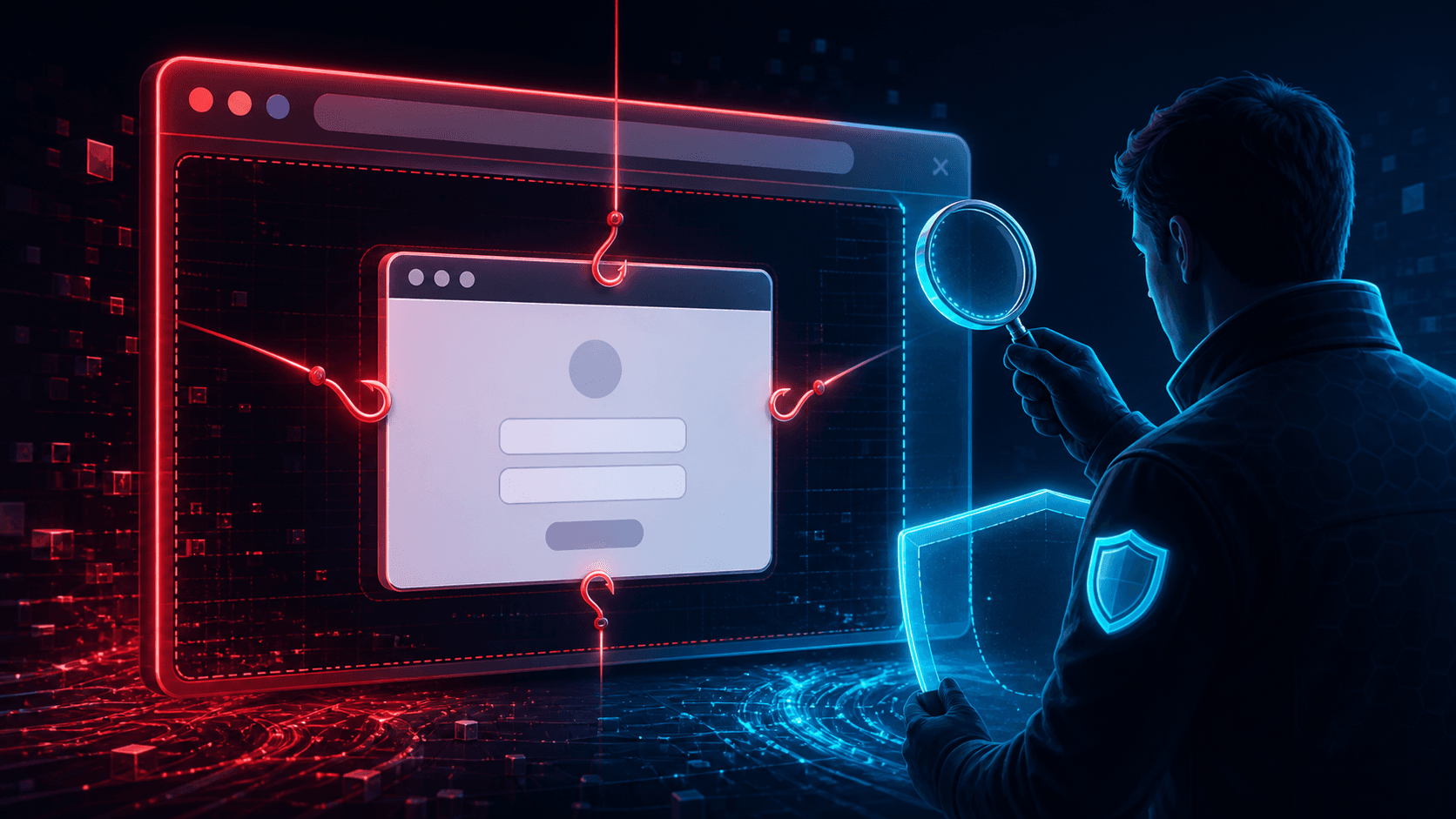
What is phishing? Learn how to spot fake websites and check domains for threats before you enter your personal information.

Don't click that link yet! Learn how to check URLs for hidden threats and ensure safe browsing on any device.

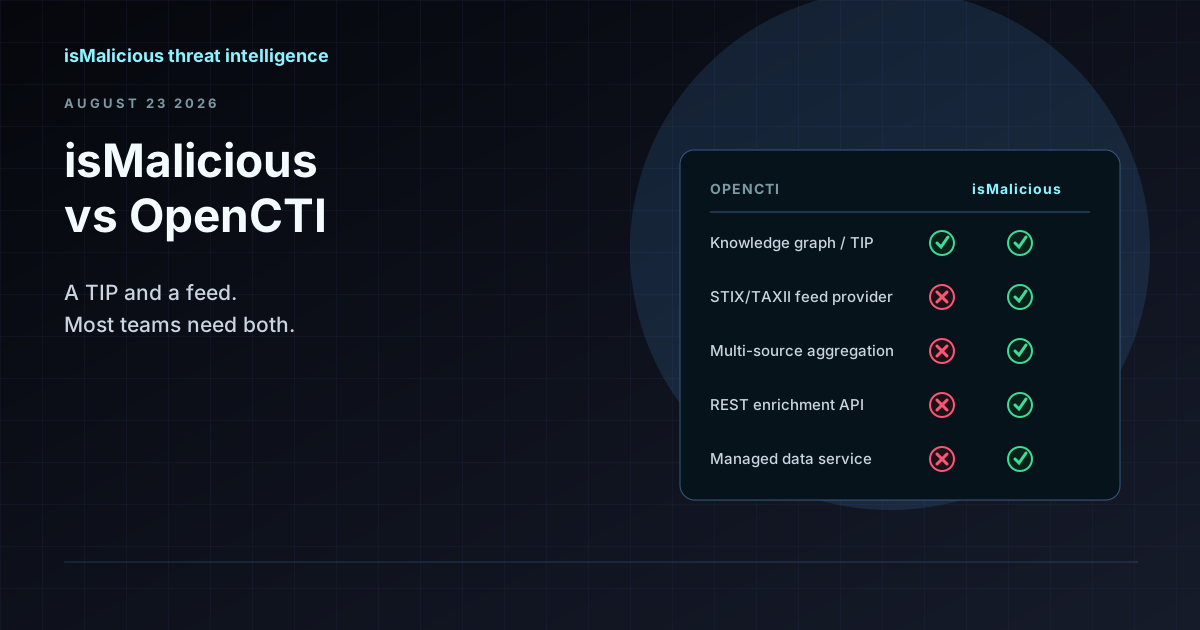
AlienVault OTX offers a free threat intelligence community, but full value requires the AT&T ecosystem. Compare isMalicious and OTX on API access, integrations, and vendor independence for your security stack.

Connected medical devices (IoMT) introduce life-critical vulnerabilities into hospital networks. From MRI machines to insulin pumps, this guide analyzes the unique challenges of securing legacy firmware and unpatched operating systems.

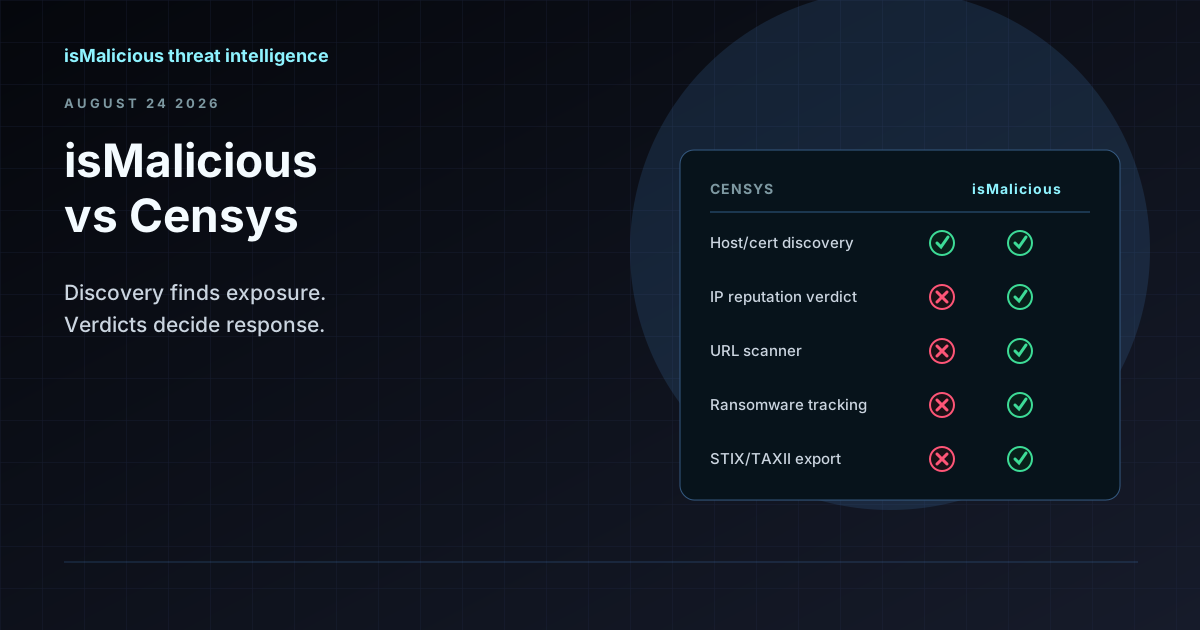
Shodan maps internet-connected devices. isMalicious checks if IPs and domains are malicious. Compare these complementary threat intelligence tools across features, use cases, and pricing to choose the right one.

AI-generated video and audio are becoming indistinguishable from reality. Explore the rising threat of deepfakes to enterprise security and how to defend against synthetic media attacks.

Peel back the layers of a modern phishing attack. From spoofed domains to SSL certificates, understand the infrastructure attackers use and how to detect it.

Manual analysis cannot keep up with machine-speed attacks. Learn how to automate threat data ingestion and response to block threats in milliseconds, not minutes.

Static IP blacklists are no longer enough. Discover the power of contextual threat intelligence—connecting IPs, domains, and behavior to see the full attack picture.

Newly registered domains (NRDs) are a favorite tool for threat actors. Learn why domain age is a critical signal in your threat intelligence stack and how to use it effectively.

Discover how poor IP reputation impacts more than just security—it affects email deliverability, ad spend, and customer trust. Learn why proactive monitoring is a financial necessity.

A comprehensive comparison of the top threat intelligence APIs in 2026 — isMalicious, VirusTotal, AbuseIPDB, AlienVault OTX, Shodan, and URLhaus. Feature matrices, pricing breakdowns, and recommendations by use case.

Privacy regulations are reshaping cybersecurity strategies. Understand the key requirements of GDPR and CCPA and how to align your security program with privacy compliance.

With cars becoming data centers on wheels, the attack surface expands into the powertrain, infotainment, and OTA update systems. We analyze CAN bus injection vulnerabilities and the security risks of V2X communication protocols.

APIs are the backbone of modern applications but are often left vulnerable. Learn how to secure your APIs against common attacks like broken object level authorization and injection.

Waiting for alerts means waiting for attacks to succeed. Learn how proactive threat hunting helps security teams discover hidden threats, improve defenses, and stay ahead of sophisticated adversaries.

Employees use unauthorized apps and services that IT cannot see. Learn how to discover shadow IT, assess risks from unsanctioned tools, and implement governance without stifling innovation.

Security should not be an afterthought. Learn how to implement DevSecOps to automate security testing and vulnerability scanning within your development workflow.

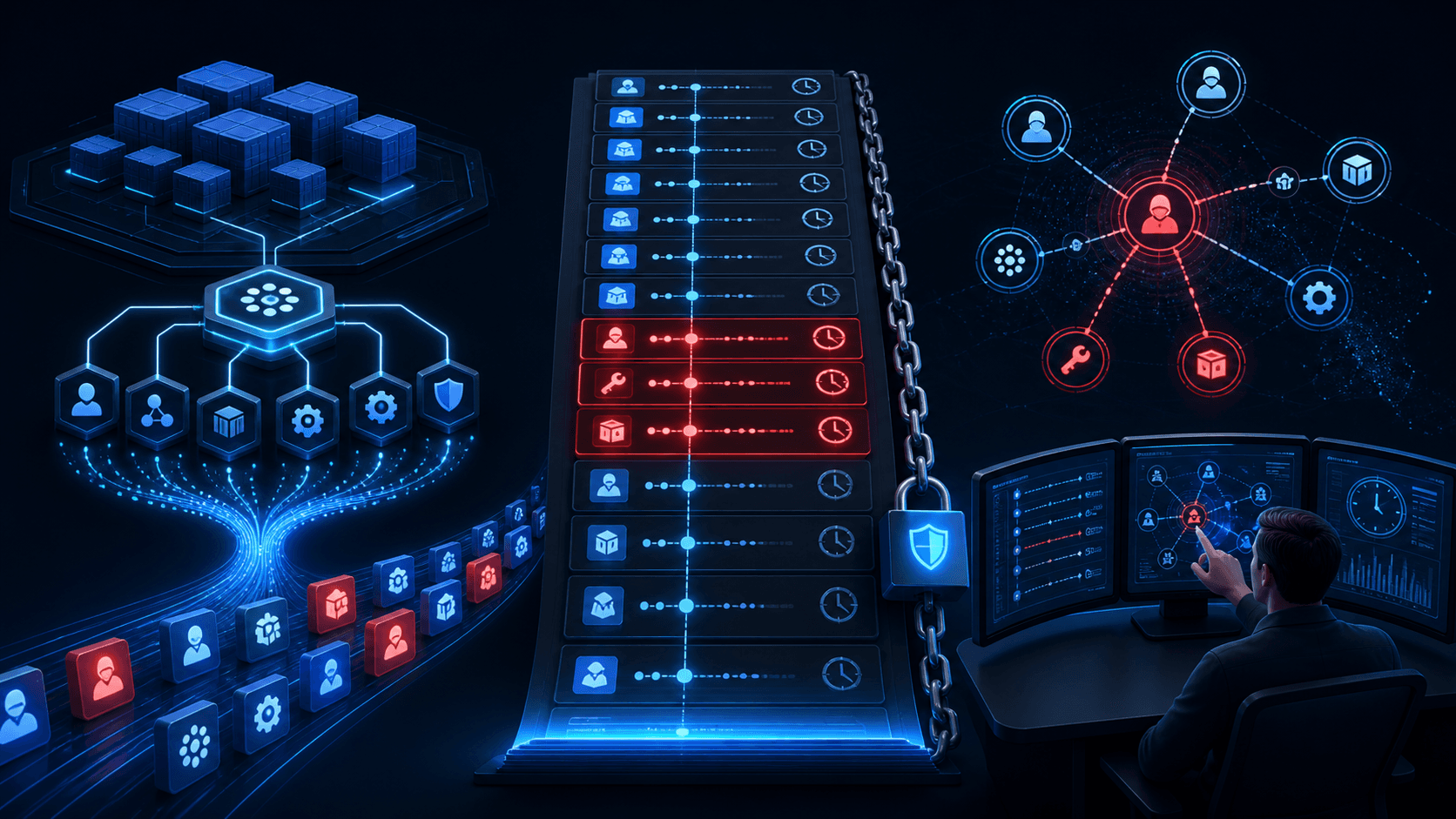
After initial compromise, attackers move laterally to reach valuable targets. Learn how to detect lateral movement techniques, implement segmentation, and stop attackers before they reach critical assets.

Internet of Things devices are increasingly targeted by cybercriminals. Learn how to identify IoT vulnerabilities, secure smart devices, and protect your network from IoT-based attacks.

Insider threats pose unique challenges to organizational security. Learn how to detect malicious insiders, prevent data leakage, and build an effective insider threat program.

Email spoofing enables phishing and business email compromise attacks. Learn how DMARC, SPF, and DKIM authentication protocols protect your domain from being impersonated in cyberattacks.

Traditional antivirus is no longer enough. Explore why Endpoint Detection and Response (EDR) is essential for modern cybersecurity and how it differs from legacy solutions.

Distributed Denial of Service attacks can cripple your online presence. Learn how to identify DDoS threats, implement effective mitigation strategies, and maintain service availability during attacks.

Data theft can occur through countless channels. Learn how to detect and prevent data exfiltration, implement effective DLP strategies, and protect your organization most valuable assets from leaving your control.

Stolen credentials and sensitive data often surface on the dark web before being exploited. Learn how dark web monitoring helps detect breaches early and protect your organization from cybercriminal activities.

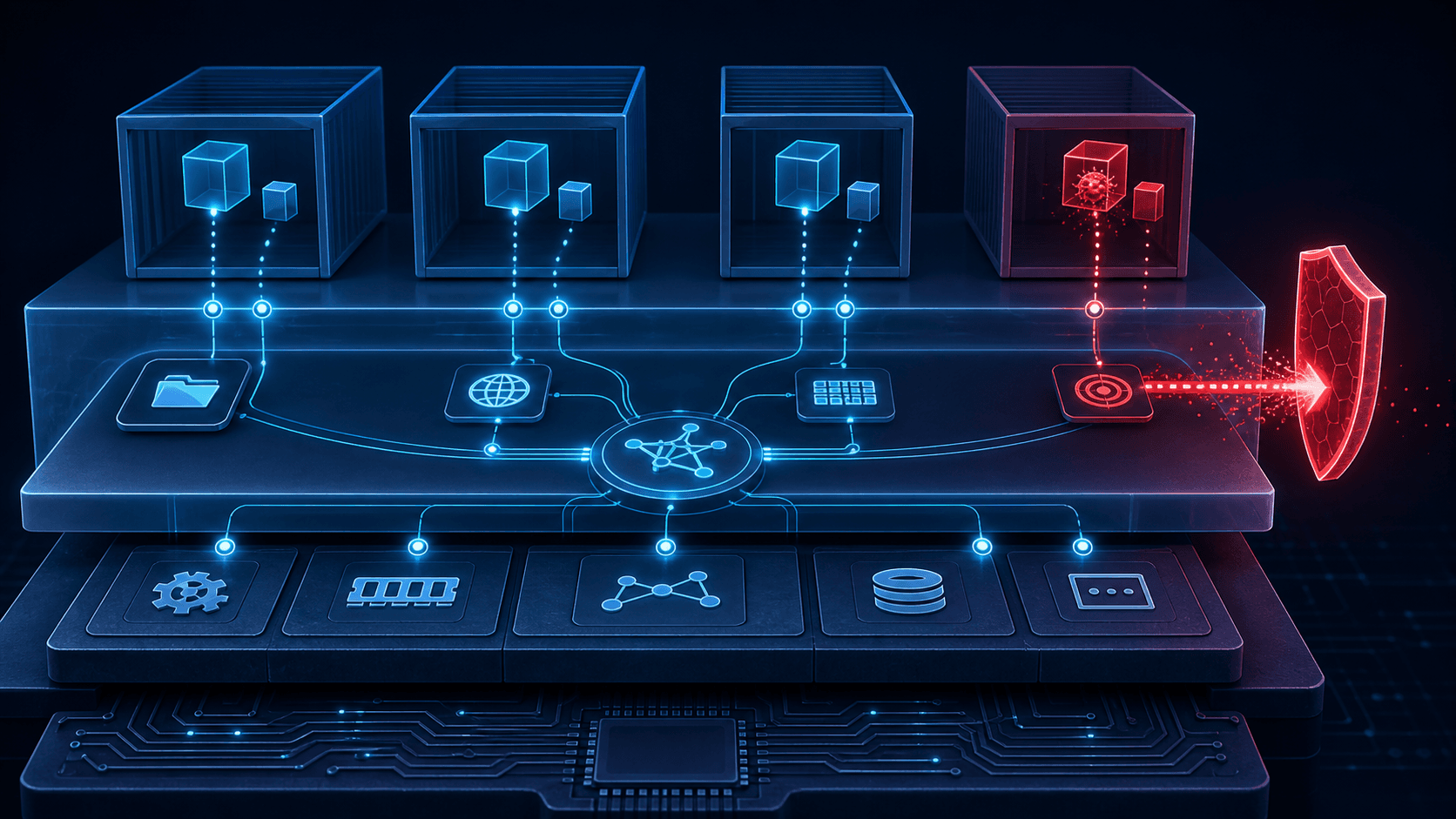
Container environments introduce unique security challenges. Learn how to secure Docker containers, Kubernetes clusters, and cloud-native applications from emerging threats and misconfigurations.

Social engineering has evolved beyond simple phishing emails. Discover the latest tactics used by attackers, including vishing, smishing, and pigmenting, and how to spot them.

Mobile applications are prime targets for cybercriminals. Learn about common mobile security threats and how to protect your iOS and Android apps from reverse engineering and malware.

Infostealers harvest credentials and sensitive data from infected systems, fueling a massive underground economy. Learn how these threats operate, how to detect them, and how to protect your organization from credential theft.

Master the reconnaissance phase of CTFs and bug bounties with these essential OSINT tools. From IP investigation to domain intelligence, build the toolbox that helps you find what others miss.

Small businesses face the same cyber threats as enterprises but with a fraction of the resources. Learn how affordable threat intelligence and smart security strategies can level the playing field.

The Web3 ecosystem faces unique threats from wallet drainers to rug pulls. Learn how to identify malicious crypto domains, detect scams, and protect yourself and your users from blockchain-based fraud.

Cloud environments face unique security challenges from misconfigurations to cryptomining attacks. Learn how to monitor cloud assets, detect threats, and protect your multi-cloud infrastructure with threat intelligence.

Automated bots drive credential stuffing, account takeover, and fraud at massive scale. Learn how IP reputation and threat intelligence can identify and block malicious automation before it compromises your users.

DNS is the first line of defense against malware and phishing. Learn how protective DNS and threat intelligence blocklists can stop threats before they reach your network, with integration guides for Pi-hole, AdGuard, and enterprise DNS.

BEC attacks cost organizations billions annually through sophisticated impersonation and social engineering. Learn how domain spoofing detection and threat intelligence can protect your organization from CEO fraud and invoice scams.

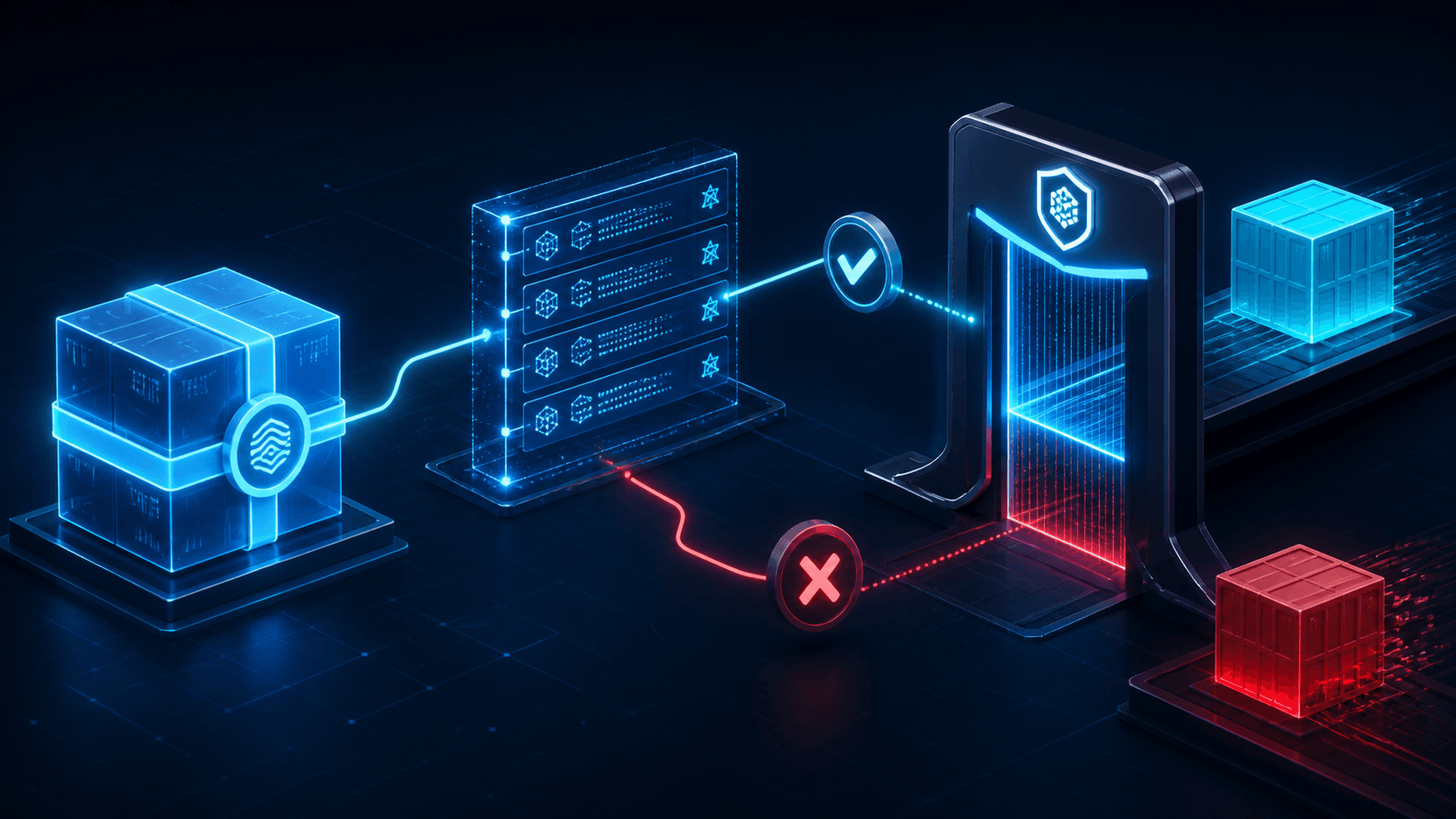
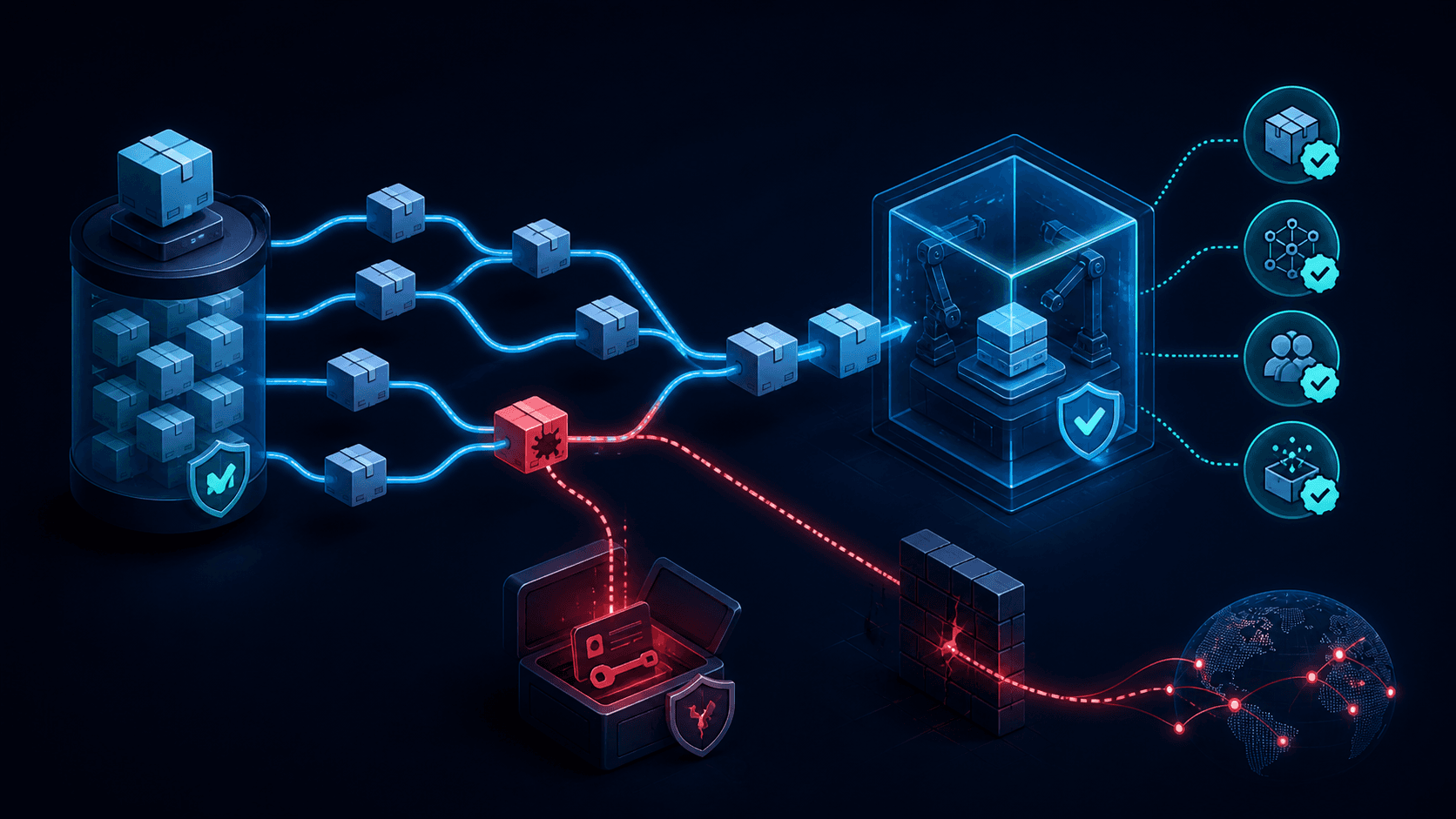
Supply chain attacks have become the weapon of choice for sophisticated threat actors. Learn how to detect compromised vendors, monitor third-party risk, and protect your organization before your suppliers become your vulnerability.

Cybercriminals are weaponizing artificial intelligence to launch sophisticated attacks at unprecedented scale. Learn how AI-powered threats work and how threat intelligence can help you defend against them.

Zero Trust security demands constant verification. Discover how integrating malicious IP and domain reputation checks strengthens your threat intelligence and prevents phishing.

A practical guide on detecting malicious domains and IPs using reputation data. Learn to spot phishing threats and secure your applications with real-time threat intelligence.

Shift from reactive to proactive cybersecurity. Learn how monitoring malicious IP and domain reputation helps identifying threats early and stopping phishing attacks before they succeed.

Learn why monitoring domain and IP reputation is essential for cybersecurity. Discover how to detect malicious threats, prevent phishing attacks, and leverage threat intelligence to protect your infrastructure.

Learn how to detect ransomware threats before they encrypt your data. Explore proven prevention techniques, early warning signs, and how threat intelligence can protect your organization from costly ransomware attacks.

SSL certificates are crucial for secure web communications, but misconfigurations and vulnerabilities can expose your users to serious risks. Learn how to identify, assess, and fix SSL certificate security issues before attackers exploit them.

Zero-day vulnerabilities pose one of the greatest cybersecurity challenges. Learn how to detect exploitation attempts, respond effectively, and leverage threat intelligence to protect your organization from unknown threats.

Learn how to build an effective Security Operations Center (SOC) powered by threat intelligence. Discover essential tools, processes, and best practices for detecting, analyzing, and responding to cyber threats in real-time.

Discover how integrating threat intelligence APIs can transform your security infrastructure. Learn best practices for automated threat detection, real-time monitoring, and seamless integration with your existing systems.

Learn how public sources like IP sets and blocklists can enhance your cybersecurity defenses by providing actionable insights into IP and domain maliciousness. Discover how to integrate these resources into WAF solutions like Fortinet and Imperva.

Explore the world of domain name maliciousness and learn how to identify, assess, and protect against harmful domains. Discover tools and techniques to safeguard your online presence.

Discover how assessing the potential maliciousness of an IP can safeguard your systems against cyber threats. Learn about the indicators, methods, and tools that help identify malicious IPs and take proactive measures.

Phishing is a growing cybersecurity threat that tricks individuals into providing sensitive information. Learn how to identify phishing attempts and implement strategies to stay safe online.
Our blog features in-depth analysis from our threat research team. Each article is backed by real data from our analysis of millions of malicious domains, IPs, and URLs across the global threat landscape. Topics include ransomware campaigns, phishing techniques, malware distribution networks, and emerging threat trends. We publish actionable intelligence that security teams can immediately use to improve their defenses.
Beyond threat analysis, we share practical guidance for security practitioners. Our tutorials cover API integration, SIEM configuration, threat hunting techniques, and building effective threat intelligence programs. Whether you're a SOC analyst, security engineer, or CISO, you'll find content tailored to your role and experience level.
The threat landscape evolves constantly. Our blog keeps you informed about the latest attack techniques, newly discovered vulnerabilities, and emerging threat actors. Subscribe to our newsletter for weekly digests of the most important developments in cybersecurity.
Weekly threat intelligence insights delivered to your inbox.