Navigating Data Privacy: GDPR, CCPA, and Cybersecurity Compliance
Privacy regulations are reshaping cybersecurity strategies. Understand the key requirements of GDPR and CCPA and how to align your security program with privacy compliance.


Data privacy and cybersecurity are two sides of the same coin. You cannot have privacy without security (to protect the data), but you can have security without privacy (if you collect too much data).
In recent years, landmark regulations like the General Data Protection Regulation (GDPR) in Europe and the California Consumer Privacy Act (CCPA) in the US have forced organizations to fundamentally rethink how they handle personal data.
The Shift: From "Asset" to "Liability"
Ideally, companies viewed data as an asset—collect everything, keep it forever. Today, personal data is a liability. Every record you store is a record you must protect, and a potential fine if you lose it.
Key Principles of Modern Privacy Laws
While GDPR and CCPA have differences, they share core principles that impact cybersecurity teams:
1. Data Minimization
Collect only the data you absolutely need for a specific purpose. If you don't need a user's date of birth, don't ask for it. This reduces your attack surface.
2. Purpose Limitation
Use data only for the reason it was collected. You cannot collect emails for "account security" and then use them for marketing without consent.
3. Right to be Forgotten (Erasure)
Users have the right to demand their data be deleted. This is a massive technical challenge. Can your systems reliably find and delete every trace of "John Doe" across 50 databases and backups?
4. Breach Notification
Both laws have strict timelines for reporting data breaches. GDPR requires notification within 72 hours of becoming aware of a breach. This puts immense pressure on your Incident Response team to detect and scope incidents quickly.
5. Privacy by Design
Privacy must be embedded into the development process, not bolted on. This aligns perfectly with DevSecOps, where security and privacy checks are automated in the CI/CD pipeline.
Cybersecurity Controls for Compliance
To comply with these regulations, specific technical controls are often required or strongly recommended:
- Encryption: Encrypt sensitive data both in transit (TLS) and at rest (AES). If encrypted data is stolen, it is often not considered a reportable breach under GDPR because the data is unintelligible.
- Access Control: strict adherence to the Principle of Least Privilege. Only employees who need access to personal data should have it.
- Pseudonymization: Replace private identifiers with artificial identifiers (pseudonyms) to reduce linkage.
- Regular Audits: Conduct periodic vulnerability assessments and penetration testing to validate security controls.
The Cost of Non-Compliance
Fines can be staggering. GDPR fines can reach €20 million or 4% of global annual turnover, whichever is higher. CCPA allows for consumers to sue for damages in the event of a data breach resulting from a failure to implement reasonable security procedures.
Integrating Privacy into Your Security Stack
Modern security tools can help with compliance.
- DLP (Data Loss Prevention): Tools that scan outgoing traffic and block sensitive data (like credit card numbers) from leaving the network.
- Threat Intelligence: By proactively blocking malicious domains with isMalicious, you prevent the exfiltration of personal data to known C2 servers, effectively stopping a breach before it becomes a reportable incident.
Conclusion
Compliance is not just a legal checkbox; it's a trust builder. Customers are increasingly aware of their privacy rights and choose effective stewards of their data. By aligning your cybersecurity strategy with privacy principles, you reduce regulatory risk and build a stronger, more trustworthy brand.
Related articles
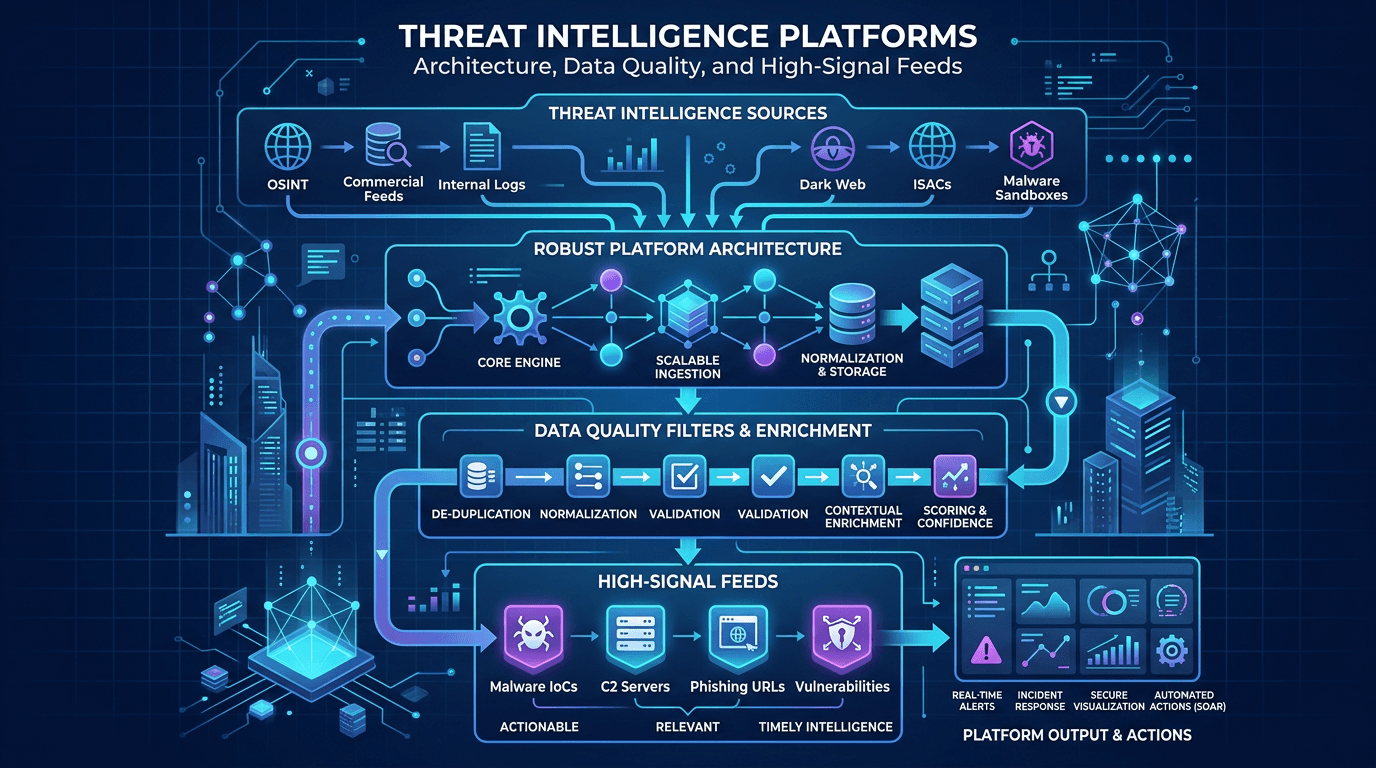 Threat Intelligence Platforms: Architecture, Data Quality, and High-Signal Feeds
Design TIPs and intel pipelines that scale: normalization, confidence scoring, deduplication, API-first delivery, and how to pair platform investments with analyst workflows.
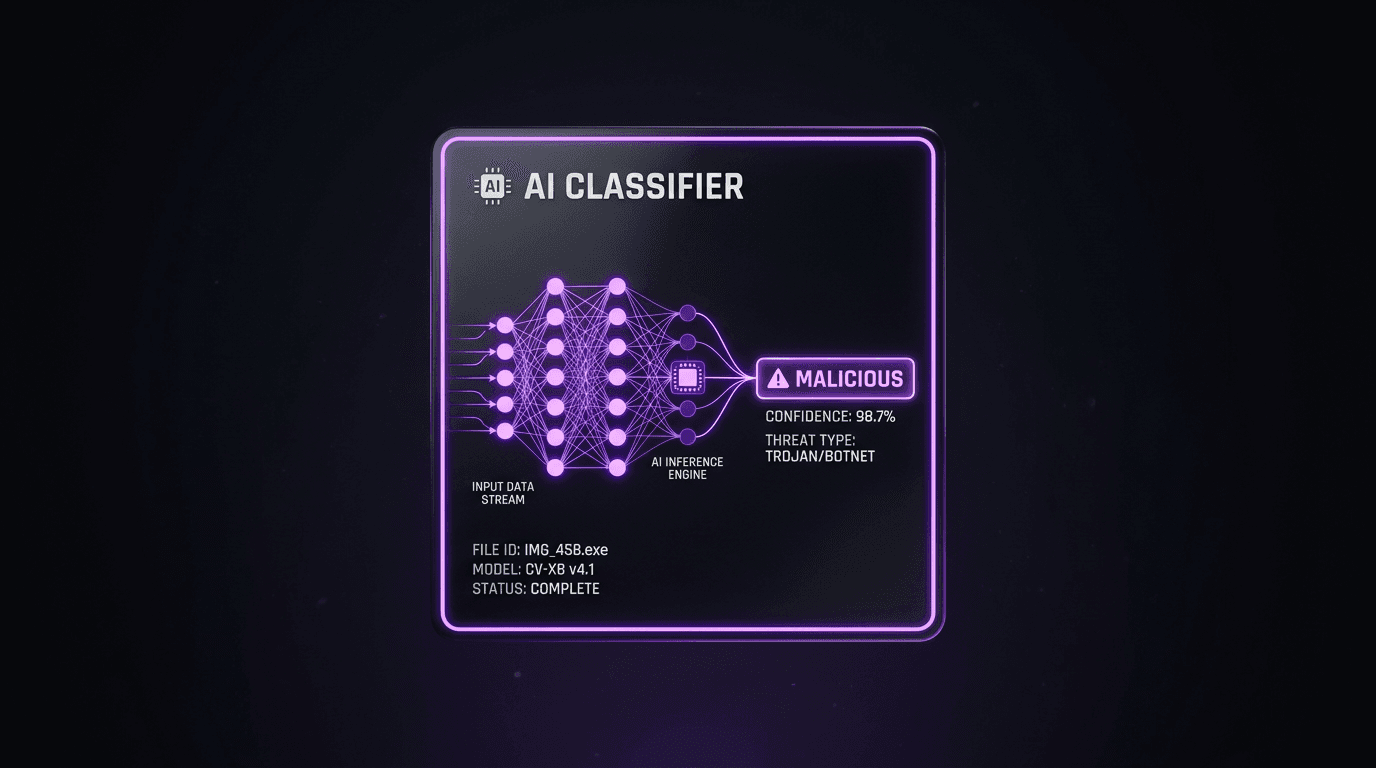 Answer-Engine Optimization for Cybersecurity: How to Get Cited by ChatGPT, Perplexity, and Claude in 2026
Traditional SEO is not enough when users ask large language models for vendor comparisons and step-by-step security guidance. Learn how to structure threat intelligence and security content so AI systems can parse, trust, and cite your brand without hype or ambiguity.
 Metaverse Security: Privacy and Identity in Virtual Worlds
As the enterprise Metaverse expands, so does the attack surface. From avatar impersonation to spatial data theft, we explore the new frontier of virtual threats and how IP reputation protects digital assets.
Protect Your Infrastructure
Check any IP or domain against our threat intelligence database with indexed records.
Try the IP / Domain Checker