Supply Chain Attack Detection: Lessons from SolarWinds to MOVEit
Supply chain attacks have become the weapon of choice for sophisticated threat actors. Learn how to detect compromised vendors, monitor third-party risk, and protect your organization before your suppliers become your vulnerability.

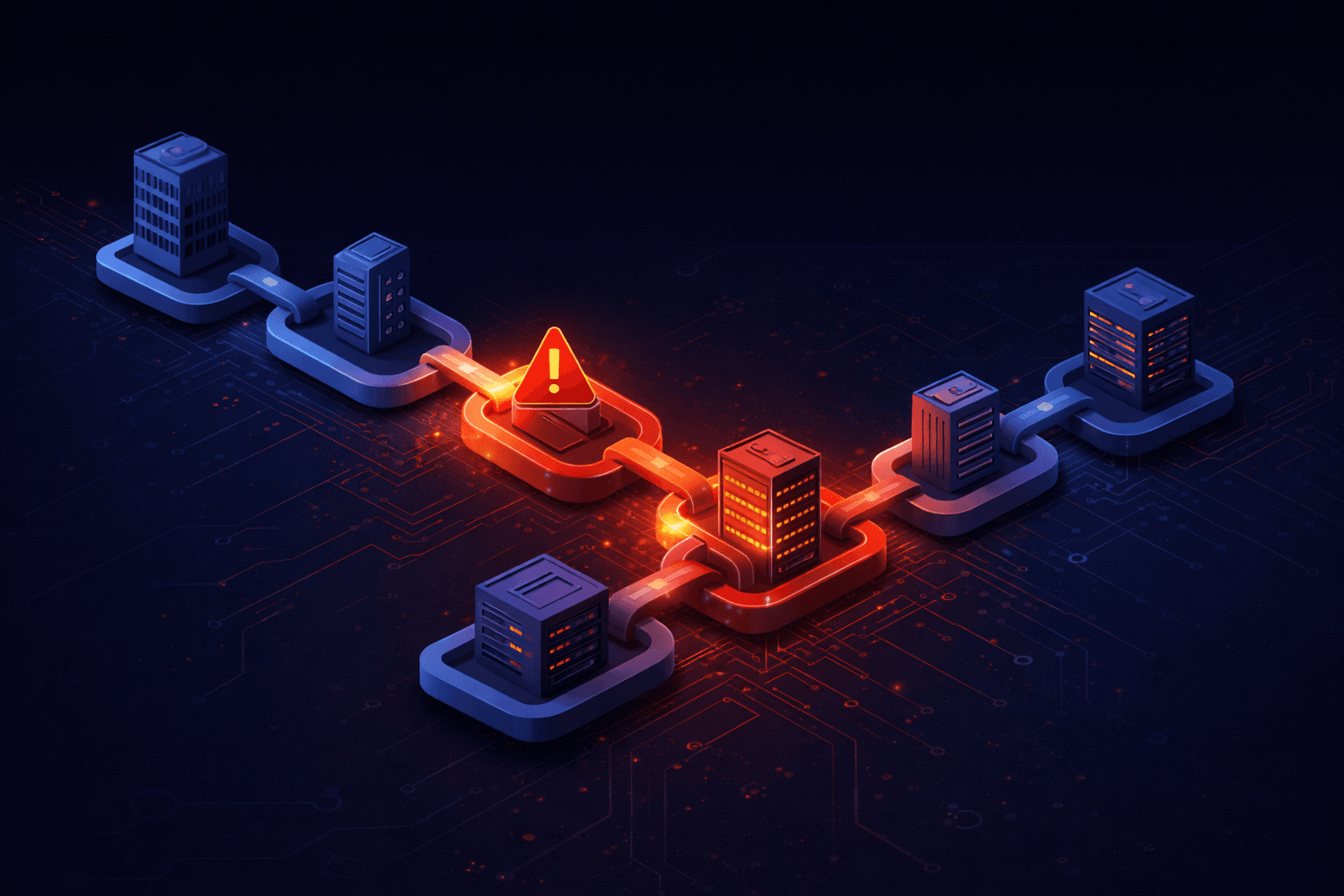
The attack that changed everything arrived disguised as a routine software update. In December 2020, security researchers discovered that SolarWinds Orion, a network management platform used by thousands of organizations including Fortune 500 companies and government agencies, had been compromised. Attackers had inserted malicious code into legitimate software updates, creating a backdoor into every organization that installed them.
The breach went undetected for months. By the time it was discovered, attackers had gained access to sensitive systems across critical infrastructure, technology companies, and federal agencies. The damage was measured not just in dollars but in the fundamental erosion of trust in software supply chains.
This was not an isolated incident. It was a preview of the attack vector that would define the modern threat landscape. From SolarWinds to Kaseya to MOVEit, supply chain attacks have proven devastatingly effective, and they show no signs of slowing down.
Why Supply Chain Attacks Are So Effective
Traditional security models assume a clear perimeter. You protect your network, secure your endpoints, and train your employees. But supply chain attacks bypass these defenses entirely by compromising trusted third parties.
When you install software from a vendor you trust, that software runs with the permissions you grant it. When you share data with a business partner, that data becomes subject to their security practices. When you integrate with a cloud service, you inherit their vulnerabilities alongside their functionality.
Attackers understand this interconnected reality better than most defenders. By compromising a single vendor, they can gain access to thousands of downstream victims simultaneously. The return on investment for attackers is extraordinary, which explains why supply chain attacks have become the preferred method for sophisticated threat actors.
The trust relationship that makes modern business possible is also the vulnerability that attackers exploit.
Anatomy of Major Supply Chain Attacks
Understanding how these attacks unfold reveals patterns that inform detection and prevention strategies.
SolarWinds Orion (2020)
The attack began with unauthorized access to SolarWinds' build infrastructure. Attackers inserted malicious code called SUNBURST into the Orion software update process. When customers downloaded and installed legitimate updates, they unknowingly installed the backdoor.
SUNBURST was designed for stealth. It remained dormant for two weeks after installation before activating. It mimicked legitimate SolarWinds traffic patterns. It checked for security tools and avoided execution in environments that might be analyzing it.
The sophistication suggested nation-state capabilities, and the impact was staggering. Approximately 18,000 organizations installed the compromised update, though attackers appeared to selectively target a smaller subset for deeper access.
Kaseya VSA (2021)
The REvil ransomware gang exploited vulnerabilities in Kaseya's VSA remote monitoring software. Because MSPs use Kaseya to manage their clients' systems, the attack cascaded through the supply chain to affect potentially thousands of downstream businesses.
This attack demonstrated how threat actors could weaponize the trust between managed service providers and their clients. A single compromised MSP could provide access to hundreds of organizations that had no direct relationship with Kaseya.
MOVEit Transfer (2023)
The Cl0p ransomware group exploited a zero-day SQL injection vulnerability in Progress Software's MOVEit file transfer application. The attack was automated and rapid, compromising data before most organizations knew the vulnerability existed.
Hundreds of organizations were affected, including major banks, airlines, government agencies, and healthcare providers. The attack highlighted how a single vulnerable component in file transfer workflows could expose sensitive data across entire industries.
3CX Desktop Application (2023)
Attackers compromised the build pipeline for 3CX, a popular business phone system. The trojanized application was signed with valid certificates and distributed through official channels, making detection extremely difficult.
Investigation revealed this was itself a supply chain attack stemming from a compromised Trading Technologies application. The layered nature of the attack demonstrated how complex modern software dependencies have become.
Detection Strategies for Supply Chain Threats
Defending against supply chain attacks requires accepting an uncomfortable truth: you cannot fully trust any third party, no matter how reputable. Instead, you must implement controls that detect compromise even when it arrives through trusted channels.
Network Traffic Analysis
Even the most sophisticated supply chain compromises must eventually communicate with attacker infrastructure. The SUNBURST malware, despite its stealth capabilities, needed to contact command-and-control servers to receive instructions and exfiltrate data.
Monitoring network traffic for connections to suspicious destinations provides detection opportunities that do not depend on trusting the software itself. This requires maintaining current threat intelligence about malicious infrastructure and analyzing traffic patterns for anomalies.
Look for software that suddenly begins communicating with newly registered domains, unusual geographic destinations, or IP addresses with poor reputation. These patterns often indicate compromise even when the software itself appears legitimate.
Behavioral Monitoring
Compromised software often exhibits behavioral changes that deviate from normal patterns. A network monitoring tool that suddenly attempts to access credential stores or move laterally through the network should trigger investigation regardless of how trusted the software is.
Establish baselines for what normal behavior looks like for critical applications, and alert on deviations. This approach detects supply chain compromises without requiring advance knowledge of specific malware signatures.
Software Bill of Materials (SBOM)
Understanding what components comprise your software is essential for supply chain security. When a vulnerability is discovered in a widely used library, organizations with comprehensive SBOMs can quickly identify affected applications.
The Log4Shell vulnerability demonstrated the importance of this visibility. Organizations that could quickly identify where Log4j was deployed could prioritize patching. Those without visibility spent weeks discovering affected systems.
Vendor Security Assessment
Continuous assessment of vendor security practices provides early warning of potential weaknesses. This goes beyond annual questionnaires to include monitoring vendor security posture, tracking their vulnerability disclosure history, and staying informed about incidents affecting their infrastructure.
When a vendor experiences a security incident, organizations with strong vendor management programs can quickly assess their exposure and take protective action.
Integrity Verification
Implementing integrity verification for software updates adds a layer of defense against build pipeline compromises. Compare downloaded updates against multiple sources, verify cryptographic signatures through independent channels, and monitor for unexpected changes in software behavior after updates.
Some organizations delay update deployment to allow time for the security community to identify compromised updates. While this creates a window of vulnerability to known issues, it reduces exposure to supply chain attacks that are often detected within days of distribution.
Monitoring Third-Party Risk
Effective supply chain security requires ongoing visibility into your vendors' security posture and potential compromises.
Infrastructure Reputation Monitoring
Monitor the reputation of infrastructure associated with your vendors. If a vendor's domains or IP addresses suddenly appear on threat intelligence feeds, that could indicate compromise before public disclosure.
This approach detected early indicators of several major supply chain compromises. Attackers often test compromised infrastructure or begin limited operations before full-scale attacks, creating detection opportunities for organizations with comprehensive monitoring.
Dark Web Intelligence
Threat actors often discuss targets, share access, and sell compromised credentials on dark web forums and marketplaces. Monitoring these channels for mentions of your vendors provides early warning of potential attacks.
When attackers obtain access to a vendor's systems, they may advertise that access or discuss their plans before launching attacks. This intelligence, while challenging to obtain and verify, has provided advance warning of several significant breaches.
Certificate Transparency Monitoring
Attackers sometimes obtain fraudulent certificates for domains they have compromised or are impersonating. Certificate Transparency logs provide visibility into all certificates issued for specific domains, enabling detection of unauthorized certificate issuance.
Monitor for certificates issued to domains that mimic your vendors' legitimate domains. These often indicate phishing campaigns or preparation for man-in-the-middle attacks targeting your vendor relationships.
Response When Vendors Are Compromised
Despite best efforts, your vendors will experience security incidents. Having a response plan ready enables rapid action to limit damage.
Immediate Assessment
When you learn of a vendor compromise, immediately assess your exposure. What data have you shared with this vendor? What access do they have to your systems? What software from this vendor is deployed in your environment?
Organizations that maintain comprehensive vendor inventories and data flow mappings can answer these questions quickly. Those without this visibility lose valuable response time gathering basic information.
Network Isolation
Consider isolating or blocking network communication with compromised vendor infrastructure until the scope of the compromise is understood. This may disrupt operations but prevents attackers from using their access to reach your systems.
For software-based supply chain attacks, consider disabling or isolating affected applications until verified clean versions are available.
Forensic Investigation
Determine whether attackers have used their access to your vendor to compromise your systems. Look for indicators of compromise specific to the attack, anomalous network traffic, and unauthorized access attempts.
The dwell time for supply chain attacks is often measured in months. Forensic investigation should examine historical data, not just recent activity.
Communication and Coordination
Coordinate with the affected vendor, law enforcement if appropriate, and information sharing organizations. Supply chain attacks often affect many organizations simultaneously, and coordinated response improves outcomes for everyone.
How isMalicious Strengthens Supply Chain Security
isMalicious provides essential capabilities for detecting and responding to supply chain threats.
Real-Time Infrastructure Reputation
When compromised software begins communicating with attacker infrastructure, reputation checking detects those connections regardless of how the software was compromised. Checking destinations for network traffic against comprehensive threat intelligence identifies malicious communication even from trusted applications.
Early Warning Detection
Monitoring detects when infrastructure associated with your vendors appears on threat intelligence feeds. This provides early warning of potential compromises, often before vendors themselves are aware of incidents.
Domain Monitoring
Track newly registered domains that impersonate your vendors or mimic their infrastructure. Attackers often register lookalike domains before launching supply chain attacks, creating a window for detection and prevention.
API-Driven Automation
Supply chain security monitoring requires checking many data points continuously. API integration enables automated verification of vendor infrastructure, software update sources, and network traffic destinations at scale.
Historical Intelligence
When investigating potential compromises, access to historical threat intelligence reveals whether suspicious indicators were known malicious at the time of observed activity. This context is essential for accurate forensic investigation.
Building Supply Chain Resilience
Long-term supply chain security requires architectural changes that limit the impact of vendor compromises.
Zero Trust Architecture
Implementing zero trust principles means never assuming that software or access is safe simply because it comes from a trusted source. Verify all access requests, monitor all network communication, and maintain the ability to quickly revoke trust when necessary.
Vendor Diversification
Where possible, avoid single points of failure in your supply chain. If a critical function depends entirely on one vendor, a compromise of that vendor compromises that function entirely. Redundancy and diversity limit blast radius.
Contractual Requirements
Include security requirements in vendor contracts. Mandate notification timeframes for security incidents, require regular security assessments, and establish the right to audit. Vendors that resist security requirements may present elevated risk.
Regular Testing
Include supply chain attack scenarios in security testing programs. Red team exercises should test whether your detection capabilities would identify compromised vendor software or unauthorized vendor access.
The Future of Supply Chain Security
Supply chain attacks will continue to grow in frequency and sophistication. The interconnected nature of modern business creates too many opportunities for attackers who understand how to exploit trust relationships.
Organizations that recognize this reality and build appropriate defenses will survive incidents that devastate their unprepared peers. The investment in supply chain security is substantial, but the alternative is accepting vulnerability to attacks that bypass every other defense you have built.
The lessons from SolarWinds, Kaseya, MOVEit, and countless other incidents are clear. Your security is only as strong as the weakest link in your supply chain, and you cannot outsource responsibility for that security to your vendors.
Take control of your supply chain security posture today. isMalicious provides the threat intelligence foundation you need to detect compromised vendors, identify malicious infrastructure, and respond to supply chain attacks before they devastate your organization. Your vendors' security is your security, and visibility is the first step toward control.
Related articles
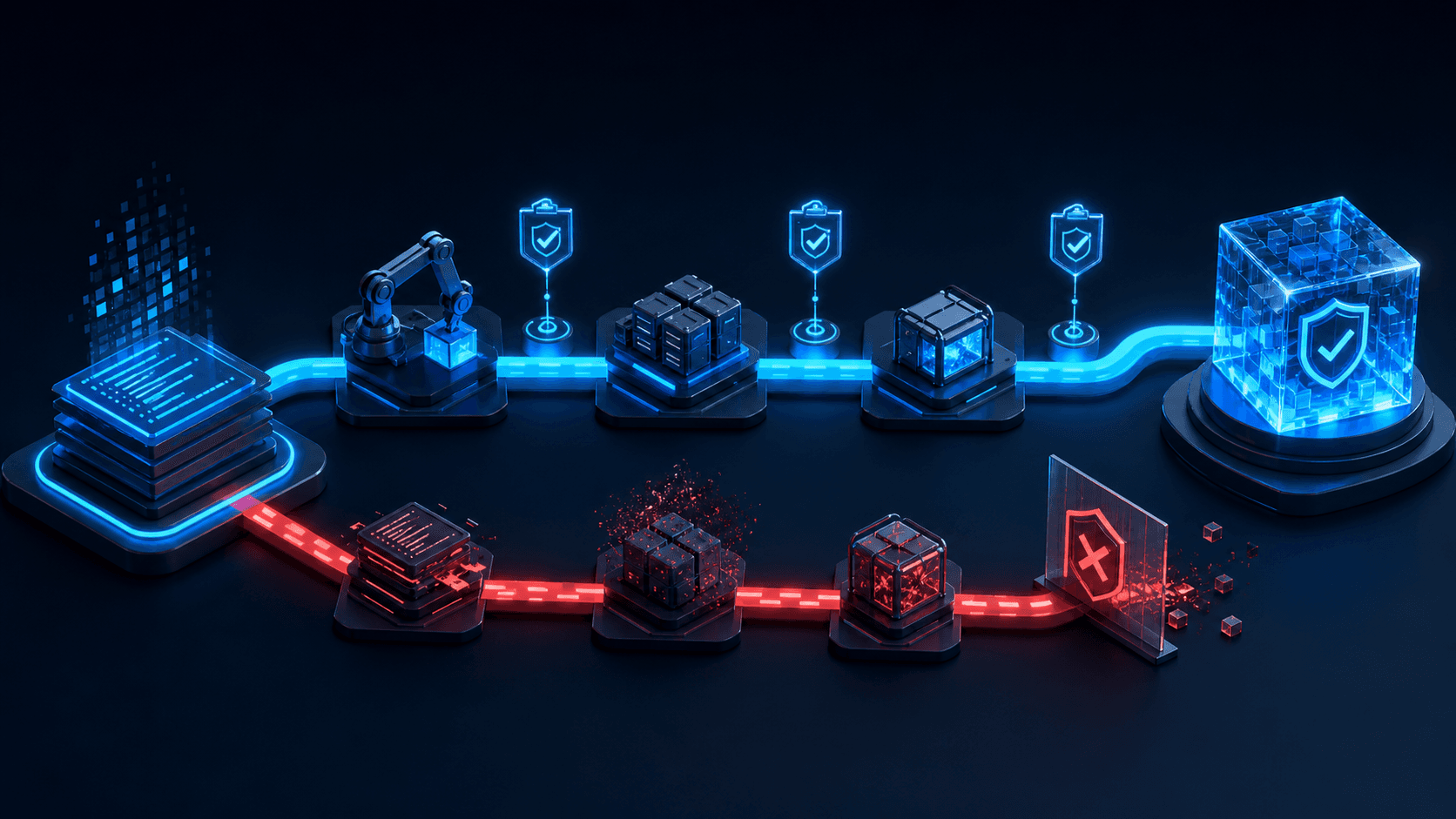 SLSA Provenance: Verify the Software Supply Chain
Use SLSA provenance to trace artifacts to source and build systems, verify expectations, improve CI controls, and respond to tampering.
 GitHub Actions and CI/CD Pipeline Compromise: A Growing Supply Chain Attack Vector
CI/CD pipeline compromises keep recurring across GitHub Actions ecosystems. Learn the detection signals, hardening steps, and enrichment workflow security teams need.
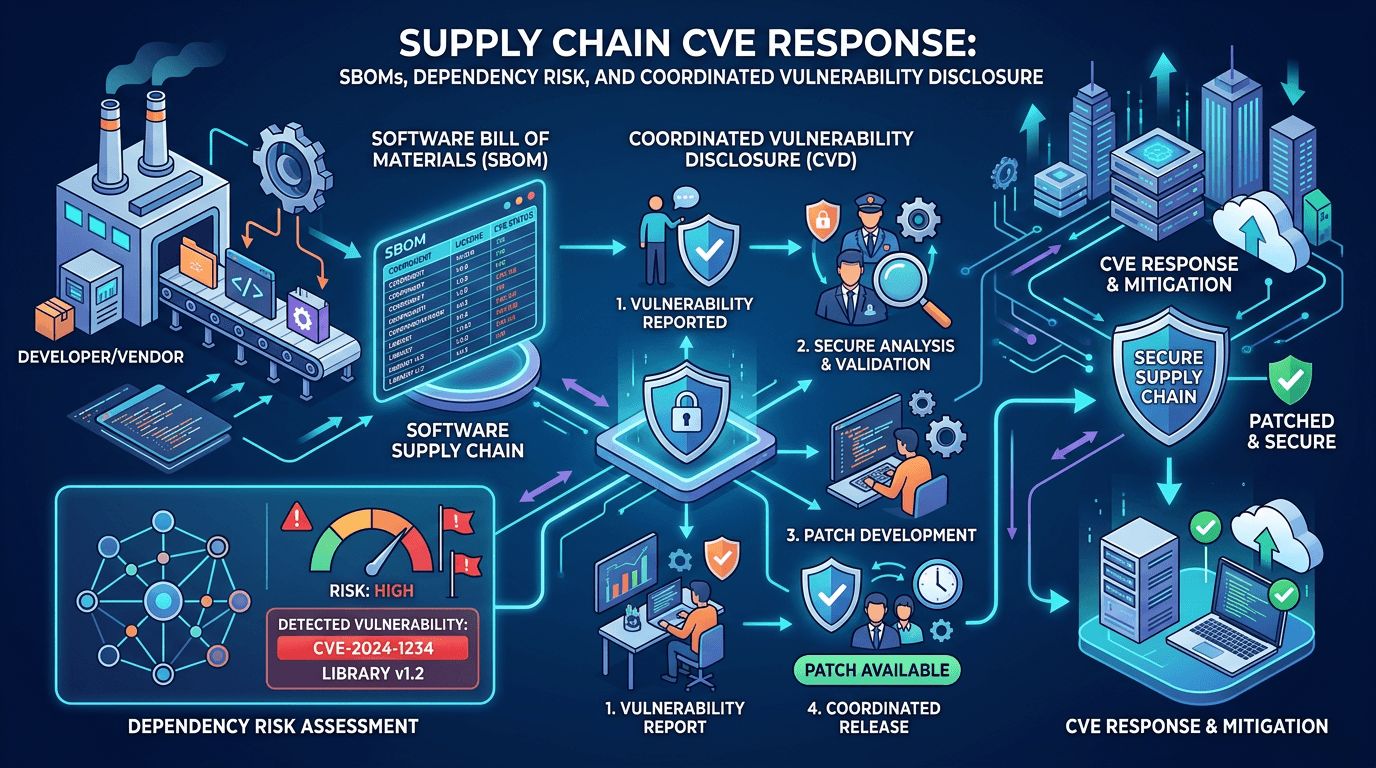 Supply Chain CVE Response: SBOMs, Dependency Risk, and Coordinated Vulnerability Disclosure
Build a modern supply-chain security program: generate SBOMs, map CVEs to components, integrate EPSS and KEV, and coordinate fixes across vendors and open-source maintainers.
Protect Your Infrastructure
Check any IP or domain against our threat intelligence database with indexed records.
Try the IP / Domain Checker