Steganography: Hiding Secrets in Plain Sight
Steganography hides data within innocent-looking files like images or audio. Learn how hackers use digital steganography to smuggle malware and steal data.


The Art of Hidden Writing
Cryptography scrambles a message so it can't be read. Steganography hides the message so it can't be seen. In the digital age, this means embedding malicious code or stolen data inside harmless files like JPEGs, PNGs, or MP3s.
Malicious Use Cases
- Malware Delivery: A user downloads a funny meme image. Hidden in the pixel data is a script that executes when the image is loaded by a vulnerable viewer.
- Data Exfiltration: An insider steals sensitive documents, hides them inside photos of their cat, and emails them out. DLP (Data Loss Prevention) systems see only images and let them pass.
- C2 Communication: Botnets receive commands hidden in images posted on public social media profiles.
Detecting Steganography (Steganalysis)
- Statistical Analysis: Looking for statistical anomalies in the file's data structure.
- File Integrity: Comparing the file hash against known good versions.
- Traffic Analysis: Monitoring for unusually large image files or frequent downloads from specific sources.
Related Reading
Related articles
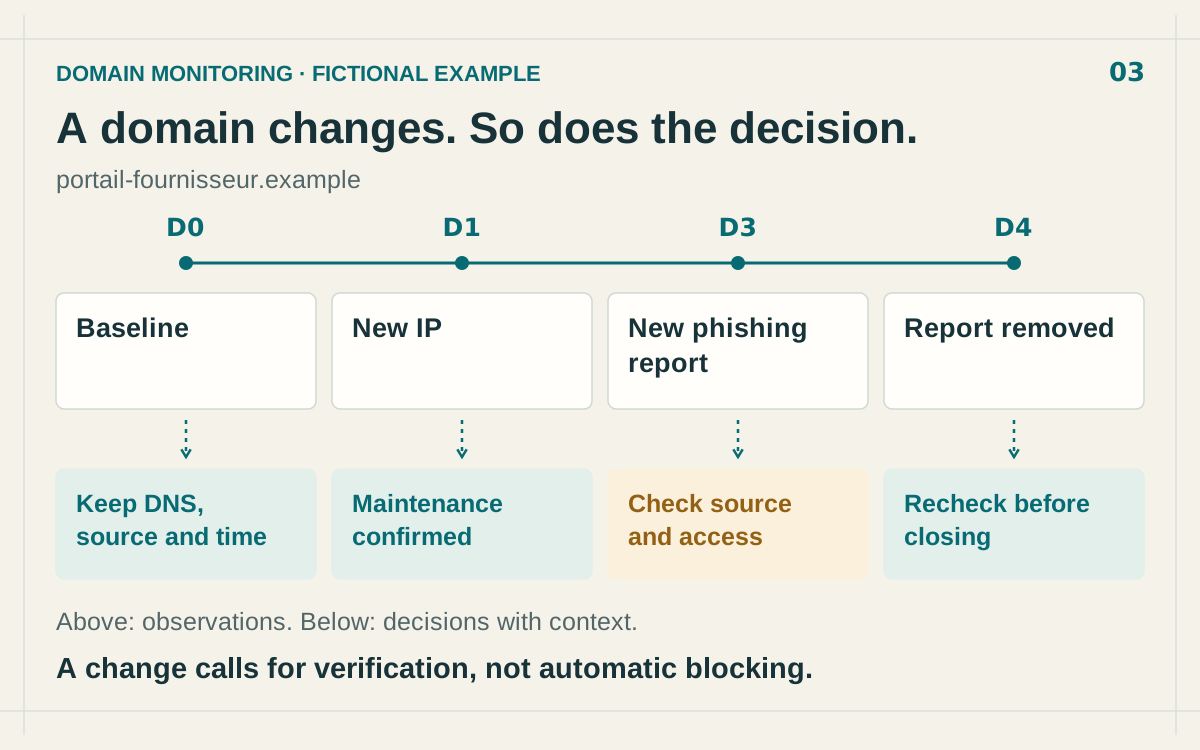 Domain Reputation Monitoring: Which Changes Need Action?
Track domain reputation over time: distinguish a new phishing report from expected DNS changes, then decide what to verify before restricting access.
 Sigstore and Cosign: Verify Container Images
Sign and verify container images with Cosign, keyless identities, transparency evidence, digest pinning, and admission policies that check the signer.
 Malvertising and Search Poisoning: Threats Hiding in Plain Sight
Malicious ads and manipulated search results push users toward malware and phishing without email. Learn how malvertising and SEO poisoning work and how teams can reduce risk.
Protect Your Infrastructure
Check any IP or domain against our threat intelligence database with indexed records.
Try the IP / Domain Checker