Metaverse Security: Privacy and Identity in Virtual Worlds
As the enterprise Metaverse expands, so does the attack surface. From avatar impersonation to spatial data theft, we explore the new frontier of virtual threats and how IP reputation protects digital assets.


The Virtual Attack Surface
The Metaverse is more than just VR; it's a persistent, synchronized digital environment where users interact, transact, and work. For security teams, it represents a massive influx of unverified data streams and new identity vectors.
Identity Theft 3.0: Avatar Impersonation
In virtual worlds, "seeing is believing" is a dangerous fallacy.
- Deepfake Avatars: Attackers can hijack a CEO's avatar to conduct social engineering attacks in a virtual boardroom, manipulating stock prices or stealing trade secrets.
- NFT Phishing: The theft of high-value digital assets (virtual real estate, skins) often starts with a phishing link dropped in a virtual chat.
Spatial Data Privacy
Headsets track eye movement, gait, and room layout.
- Biometric Harvesting: Malicious metaverse apps can silently harvest this biometric data to build a fingerprint of the user, which can then be sold or used for targeted attacks.
- Eavesdropping: Virtual "walls" don't block packet sniffers. Unencrypted voice interactions in public virtual spaces are open to interception.
Defense-in-Depth for Virtual Worlds
Securing the Metaverse requires anchoring virtual interactions to physical reality.
- IP Reputation & Identity: Verify the physical origin of a virtual user. If an avatar claiming to be your NY-based CFO logs in from an IP with a poor reputation score in a different hemisphere, the session should be flagged as a critical threat level.
- Geolocation Challenges: Enforce geolocation consistent access controls. high-security virtual meeting rooms should only be accessible from IPs geolocated to corporate offices.
- Asset provenance: Use blockchain analytics combined with domain reputation checks to verify the legitimacy of virtual asset marketplaces before allowing transactions.
IsMalicious Recommendation
Treat the Metaverse as an untrusted network. Apply the same Zero Trust principles—verify identity, validate devices, and monitor IP reputation—that you would for any external connection.
Related articles
 YellowKey and BitLocker Bypass: How Security Teams Should Re-Baseline Stolen-Device Risk
YellowKey made a quiet assumption loud again: encrypted endpoints still need vulnerability intelligence, asset context, and incident workflows. Here is how to respond when a last-resort control becomes a live risk.
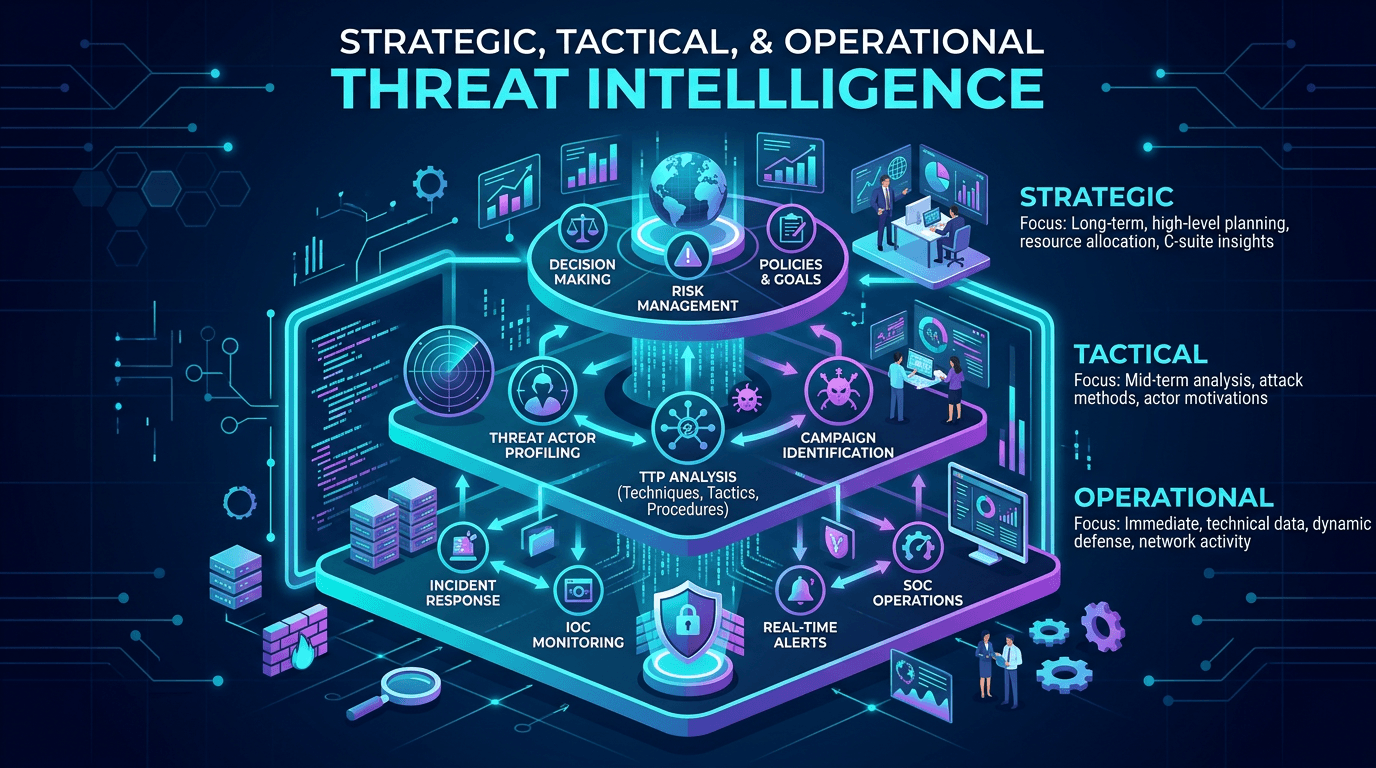 Strategic, Tactical, and Operational Threat Intelligence: Frameworks for Modern Security Programs
Align CTI outputs with audience needs: executive risk narratives, SOC-ready IOCs, and MITRE-mapped TTPs—plus governance models that keep intelligence timely and measurable.
 Navigating Data Privacy: GDPR, CCPA, and Cybersecurity Compliance
Privacy regulations are reshaping cybersecurity strategies. Understand the key requirements of GDPR and CCPA and how to align your security program with privacy compliance.
Protect Your Infrastructure
Check any IP or domain against our threat intelligence database with indexed records.
Try the IP / Domain Checker