Understanding IP Maliciousness: A new way to protect your network.
Discover how assessing the potential maliciousness of an IP can safeguard your systems against cyber threats. Learn about the indicators, methods, and tools that help identify malicious IPs and take proactive measures.

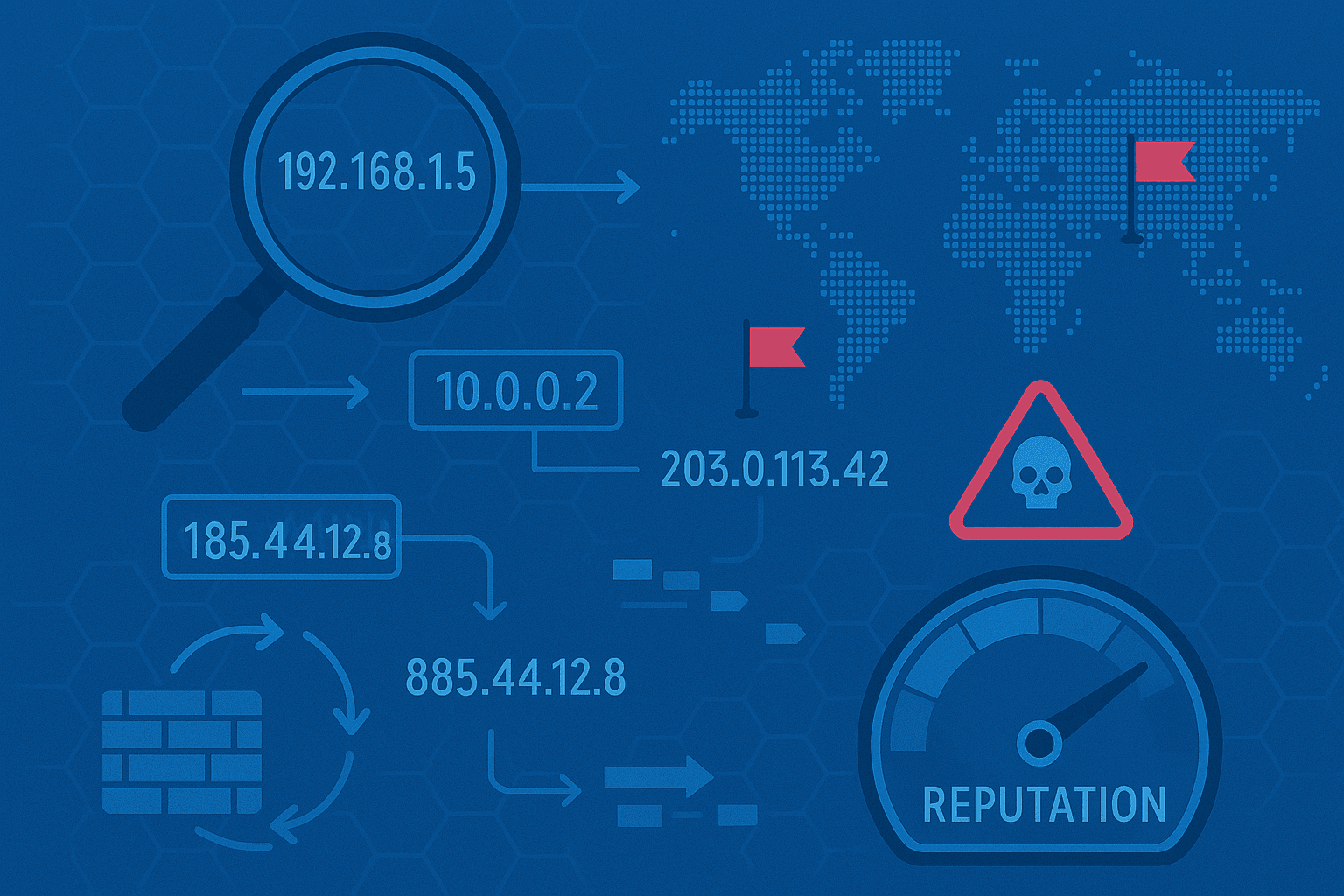
As the backbone of online communication, IP addresses serve as digital identifiers for devices across the internet. However, not all IPs are benign. Some are associated with malicious activities such as phishing, spamming, or unauthorized access attempts. Understanding and assessing the potential maliciousness of an IP is a critical step in fortifying your network's security.
What Defines a Malicious IP?
A malicious IP is one that has been flagged for activities that threaten cybersecurity. These activities can include:
- Spamming: Sending large volumes of unsolicited emails.
- Botnet Activity: Coordinating attacks or unauthorized data collection through compromised devices.
- Phishing: Hosting fake websites to steal sensitive information.
- DDoS Attacks: Disrupting services by overwhelming servers with traffic.
Identifying and managing these IPs is vital to mitigate risks and protect your network from exploitation.
Indicators of Potential Maliciousness
Understanding the behavior of an IP can help in assessing its risk. Key indicators include:
- High Frequency of Failed Login Attempts: Suggesting brute force attacks.
- Blacklisting: Inclusion in databases of known malicious IPs.
- Unusual Traffic Patterns: Large or irregular spikes in data traffic.
- Geolocation Discrepancies: Mismatched locations relative to user activity.
By monitoring these factors, you can proactively identify threats.
Tools and Techniques for Assessment
Several tools and strategies can assist in evaluating IP maliciousness:
1. Threat Intelligence Platforms
Services like isMalicious provide comprehensive insights into IP reputation, including:
- Historical behavior patterns.
- Associated domains or URLs.
- Threat scores based on aggregated data.
2. Log Analysis
Reviewing server and firewall logs can reveal anomalies in IP behavior.
3. DNS Lookup Tools
These tools help identify relationships between an IP and malicious domains.
4. Community-Driven Databases
Platforms like CrowdSec allow for collaborative defense by sharing known malicious IPs.
How isMalicious Can Help
isMalicious is designed to provide current intelligence on IP addresses. With features like:
- API Integration: Automate IP analysis within your systems.
- Customizable Alerts: Stay informed of new threats.
- Blocklist Updates: Access dynamic and reliable blocklists to protect your infrastructure.
By using these capabilities, you can enhance your security posture and reduce vulnerabilities.
Proactive Protection: The Key to Cyber Resilience
Monitoring and mitigating risks associated with malicious IPs is not just about protecting data; it's about ensuring operational continuity and trust. Equip your team with the tools and knowledge to stay ahead of evolving threats.
Ready to take action? Explore the features of isMalicious today and secure your network against malicious IPs.
Related articles
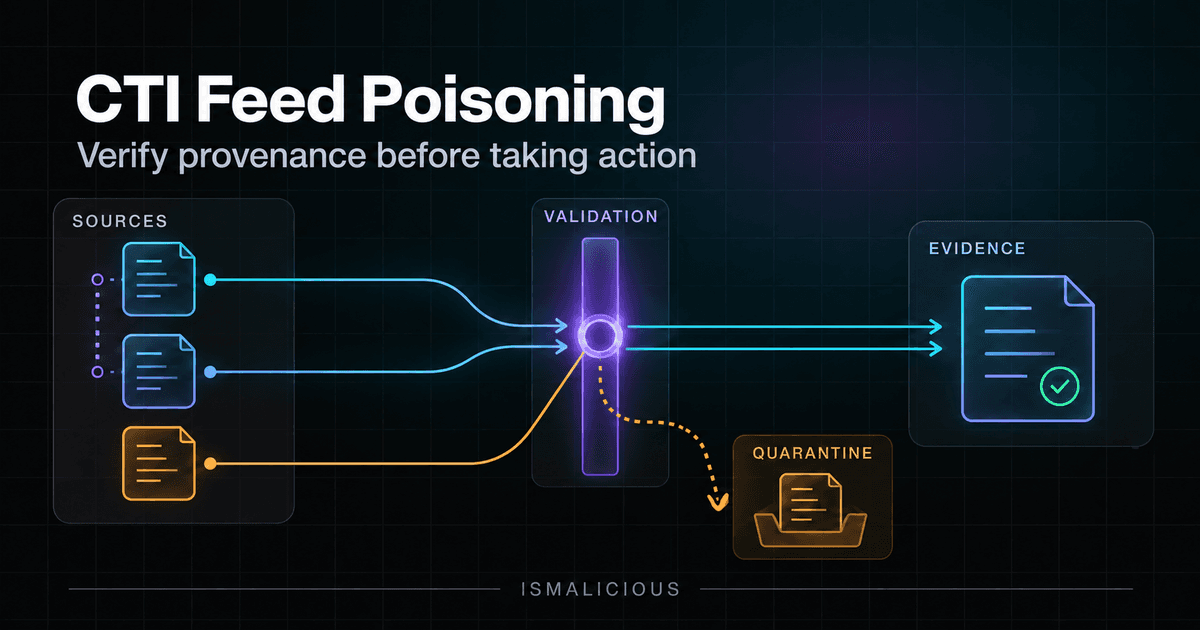 Threat Intelligence Feed Poisoning: Protect Your Evidence
Protect CTI decisions from misleading data with source provenance, mirror detection, contradiction handling, safe ingestion, human review, and tested rollback.
 Lateral Movement Detection: Stopping Attackers from Spreading Through Your Network
After initial compromise, attackers move laterally to reach valuable targets. Learn how to detect lateral movement techniques, implement segmentation, and stop attackers before they reach critical assets.
 IoT Security Threats: Protecting Your Smart Devices from Cyberattacks
Internet of Things devices are increasingly targeted by cybercriminals. Learn how to identify IoT vulnerabilities, secure smart devices, and protect your network from IoT-based attacks.
Protect Your Infrastructure
Check any IP or domain against our threat intelligence database with indexed records.
Try the IP / Domain Checker