Polymorphic Malware: The Shapeshifting Code
Traditional antivirus relies on signatures, but polymorphic malware changes its code every time it replicates. Discover how this shapeshifting threat evades detection.

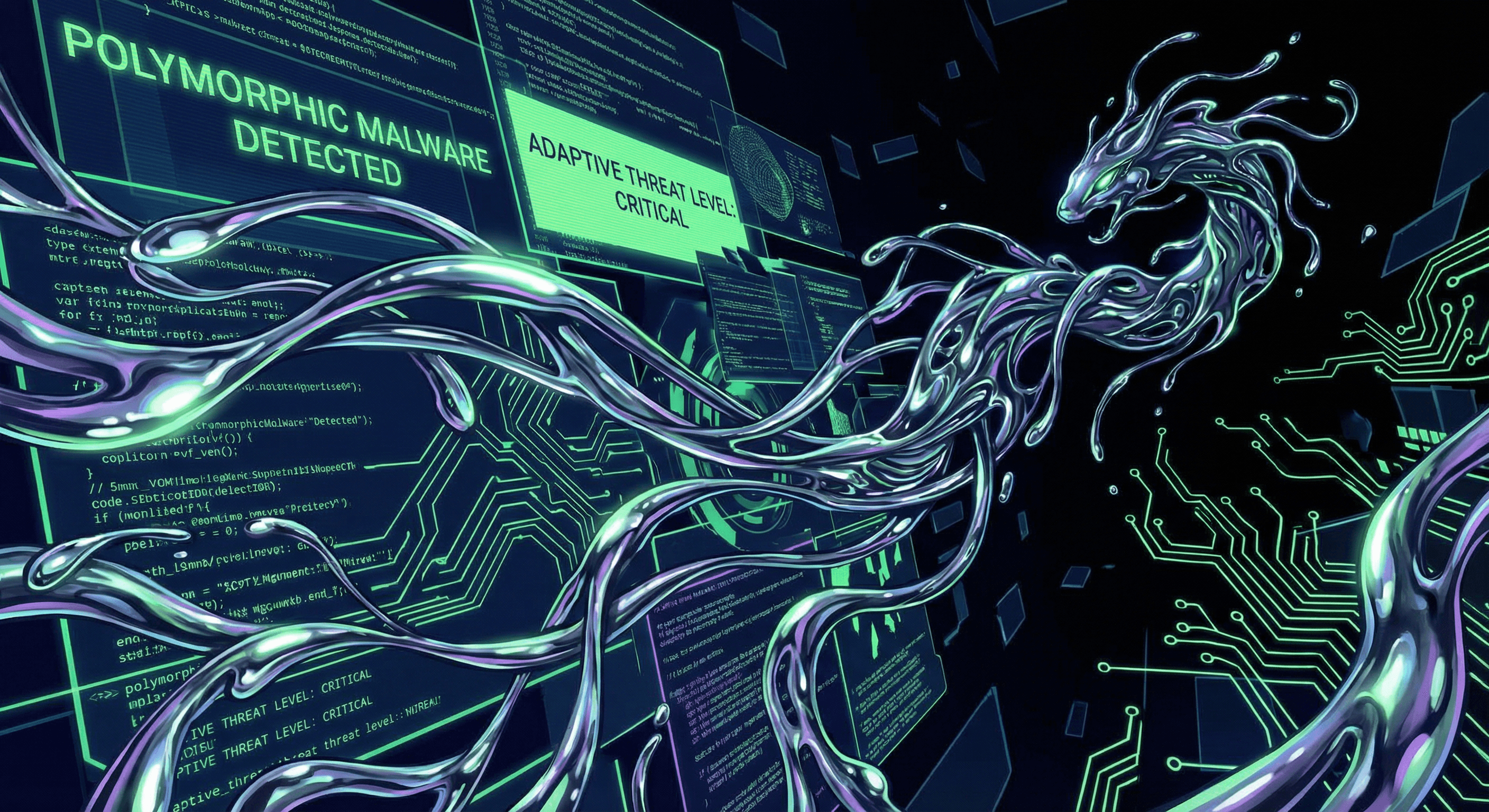
Mutation as a Defense
In biology, viruses mutate to survive. In cybersecurity, malware" class="text-ds-accent hover:text-ds-accent-2 font-medium no-underline">polymorphic malware does the same. It uses encryption and code obfuscation to change its binary signature while keeping its malicious payload intact.
How It Works
- Encryption: The main body of the virus is encrypted with a variable key.
- Decryption Loop: A small piece of code (the decryptor) runs first. This loop is randomly generated for each infection.
- Result: Two files of the same virus look completely different to signature-based scanners.
Beyond Polymorphism: Metamorphic Malware
Metamorphic malware goes a step further by rewriting its own code—swapping instructions, inserting junk code, and reordering functions—without using encryption. It is effectively a new program every time.
Detection Strategies
- Heuristics: Looking for suspicious characteristics rather than exact matches.
- Behavioral Analysis: Monitoring what the program does (e.g., trying to modify system files) rather than what it looks like.
- Threat Intelligence: Blocking the C2 servers that control the malware. Check suspicious connections with our Domain Scanner.
Related Reading
Related articles
- Industrial Control Systems (ICS) Malware Trends: The OT/IT Convergence Risk
Operational Technology (OT) environments are under siege. We analyze the latest ICS-specific malware strains targeting PLCs and SCADA systems, and offer defense strategies for critical infrastructure.
 Infostealer Malware: How Credentials End Up on the Dark Web
Infostealers harvest credentials and sensitive data from infected systems, fueling a massive underground economy. Learn how these threats operate, how to detect them, and how to protect your organization from credential theft.
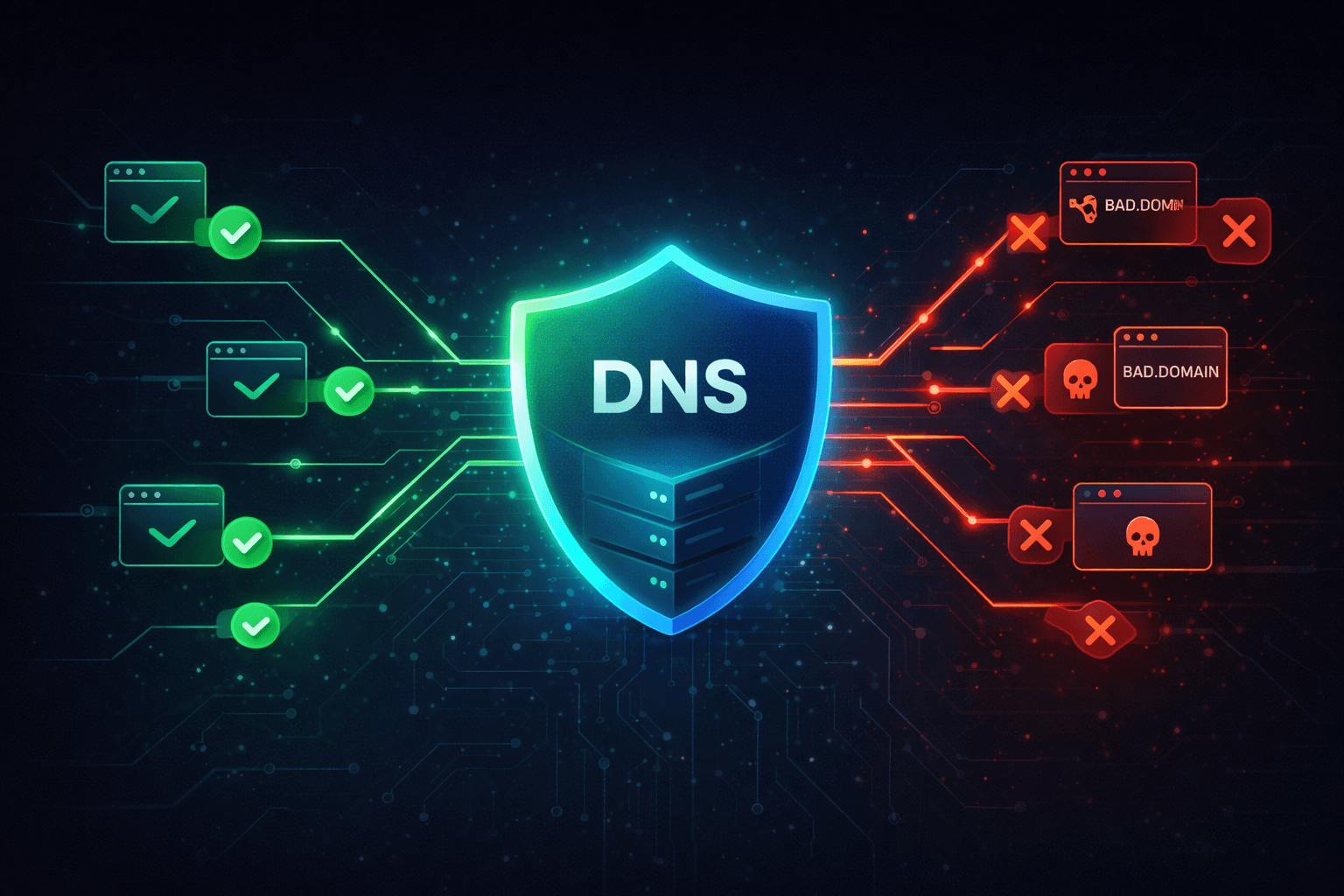 DNS Blocklists: Stop Malware at the Resolver
Protective DNS blocks malware before the connection opens. Setup guides for Pi-hole, AdGuard, and enterprise resolvers with live blocklists.
Protect Your Infrastructure
Check any IP or domain against our threat intelligence database with indexed records.
Try the IP / Domain Checker