Biometric Spoofing: Defeating Authentication in an AI World
Are fingerprints and facial recognition truly secure? We explore the techniques attackers use to spoof biometric sensors, from 3D-printed faces to synthetic voice cloning.


The Illusion of Perfect Identity
Biometric authentication—fingerprints, facial recognition, voiceprint—is convenient but inherently flawed. Unlike a password, you cannot easily change your fingerprint or face if it is compromised.
The Rise of Presentation Attacks
Attackers perform "Presentation Attacks" (PAs) to spoof biometric systems:
- High-Fidelity Masks: Researchers and criminals can create hyper-realistic silicone masks or 3D-printed heads to bypass facial recognition systems.
- Voice Cloning: With just seconds of audio, AI tools can generate convincing "deepfake" voice clones to bypass voice biometrics used in banking or secure facility access.
- Fingerprint Replication: Using high-resolution photos or latent prints lifted from surfaces, attackers can fabricate synthetic fingerprints (e.g., using wood glue or gelatin).
Defending Against Spoofing
To secure biometric systems, Liveness Detection is mandatory.
- Active Liveness: The system challenges the user to perform an action (blink, smile, turn head) to prove they are a live human.
- Passive Liveness: The system analyzes subtle physiological signals (micro-expressions, skin texture, blood flow) without user interaction.
- Multi-Modal Biometrics: Combine multiple biometric factors (e.g., face + voice + gait analysis) to make spoofing significantly harder.
IsMalicious Recommendation: Context-Aware Security
Biometrics confirm who you are, but context confirms if the request is legitimate.
- IP Reputation Scoring: A valid fingerprint from a device with a low-reputation IP (e.g., associated with VPNs or botnets) should trigger a step-up challenge.
- Geolocation Velocity: If a user logs in via FaceID in London, and 5 minutes later via TouchID in New York, the geolocation anomaly indicates a likely replay or spoofing attack.
- Threat Level Integration: High-value transactions should require both biometric verification AND a clean threat level assessment of the originating network.
Related articles
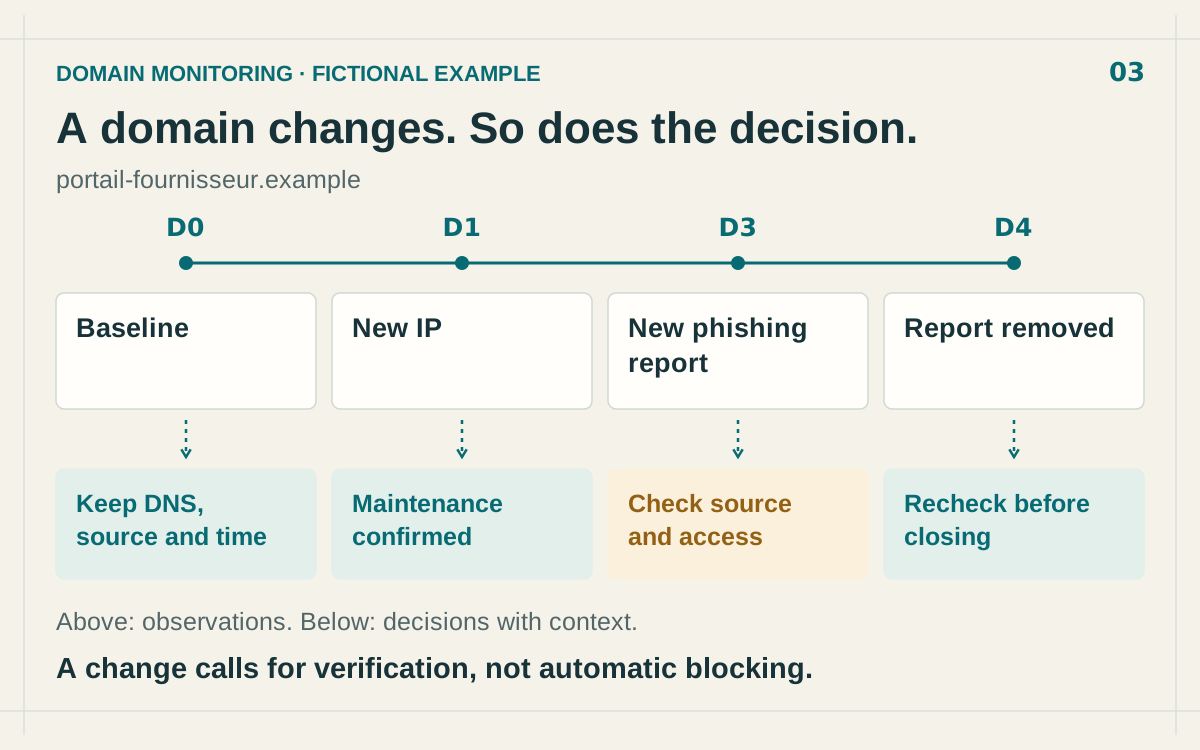 Domain Reputation Monitoring: Which Changes Need Action?
Track domain reputation over time: distinguish a new phishing report from expected DNS changes, then decide what to verify before restricting access.
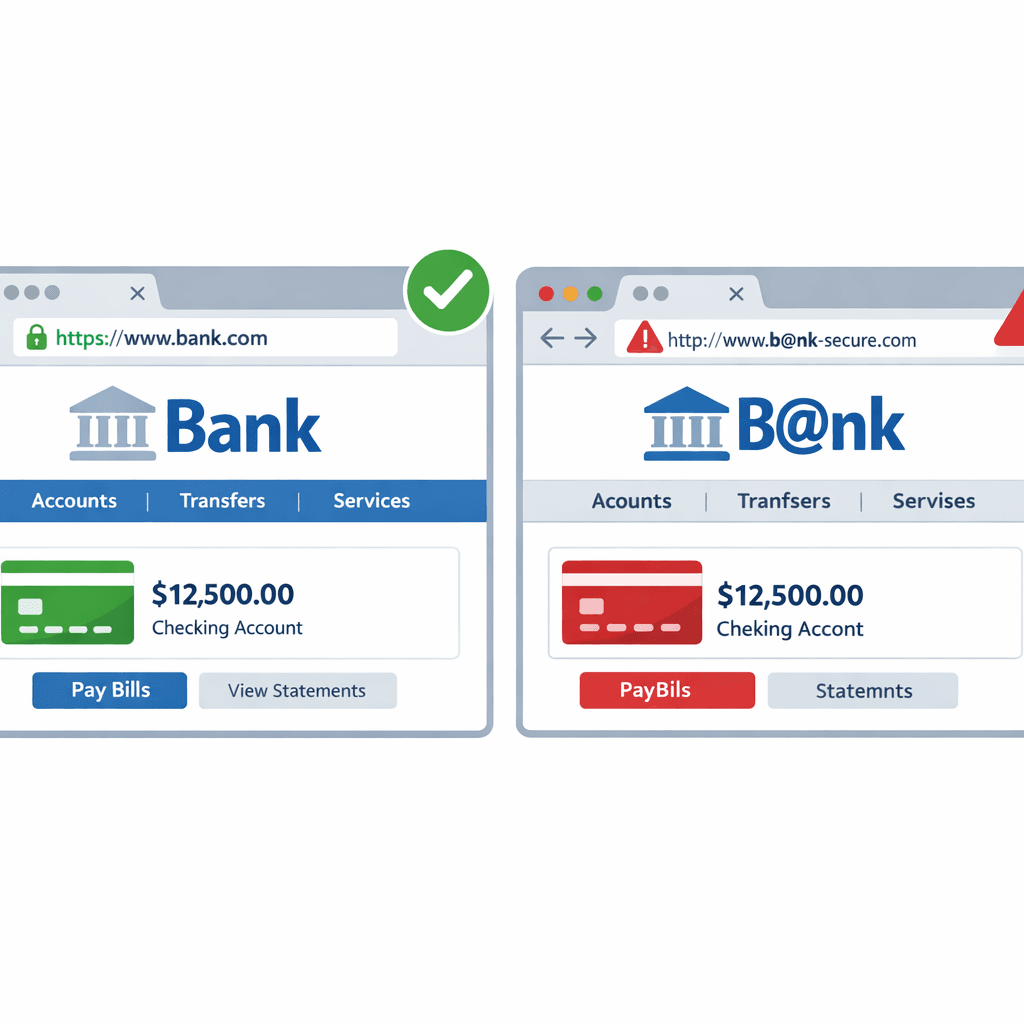 How Hackers Use "Typosquatting" to Trick You (and How to Spot It)
Typosquatting relies on your fingers slipping. Learn how attackers register look-alike domains to steal your data and how to check URLs before you click.
 Email Authentication: Implementing DMARC, SPF, and DKIM for Email Security
Email spoofing enables phishing and business email compromise attacks. Learn how DMARC, SPF, and DKIM authentication protocols protect your domain from being impersonated in cyberattacks.
Protect Your Infrastructure
Check any IP or domain against our threat intelligence database with indexed records.
Try the IP / Domain Checker