Penetration Testing vs. Vulnerability Scanning: What's the Difference?
Often confused, these two security practices serve very different purposes. Discover when to use automated scanning and when to invest in a manual penetration test.

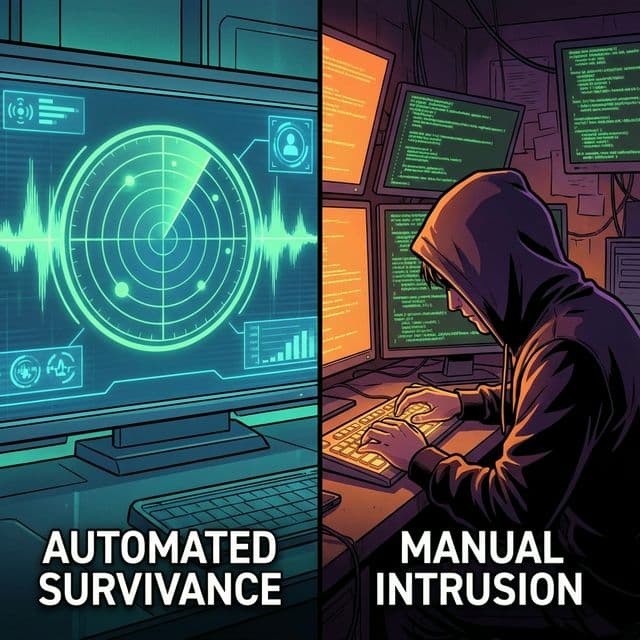
"We don't need a penetration test; we run automated scans every week." This is a common misconception that leaves many organizations exposed. While both Vulnerability Scanning and Penetration Testing are essential for proactive security, they are fundamentally different activities with distinct goals.
Understanding the difference is crucial for building a mature security program and meeting compliance requirements (like PCI DSS, SOC 2, and ISO 27001).
Vulnerability Scanning: The Automated Radar
What it is: Automated software that scans your network, systems, and applications against a database of known vulnerabilities (CVEs). Think of it like a security guard walking around a building checking if any doors or windows are made available.
- Frequency: High (Weekly, Daily, or Continuous).
- Cost: Low to Medium.
- Scope: Broad (Scans thousands of assets).
- Output: A list of potential vulnerabilities ranked by severity (e.g., "Server running outdated Apache version").
- Limitations: High false positive rate; cannot understand business logic or chain vulnerabilities together.
Use Case: Continuous hygiene. Quickly identifying missing patches, misconfigurations, and outdated software across your entire estate.
Penetration Testing: The Simulated Attack
What it is: A manual, goal-oriented exercise where ethical hackers attempt to exploit vulnerabilities to breach your defenses. They think and act like real attackers. Think of this like hiring a specialized team to try to break into the building, steal a specific document, and escape without being caught.
- Frequency: Low (Annually or Bi-annually).
- Cost: High.
- Scope: Targeted (Specific application, network segment, or critical asset).
- Output: A detailed report describing how they got in, what data they accessed, and proofs of concept (PoC).
- Strengths: Validates real-world risk; finds logic flaws (e.g., "I can buy an item for $0.00"); tests the human element (social engineering).
Use Case: Deep validation of security controls. Proving that an attacker cannot reach your critical data, even if vulnerabilities exist.
The Key Differences
| Feature | Vulnerability Scan | Penetration Test | | :------------------ | :----------------------- | :--------------------------------- | | Automation | Highly Automated | Manual & Automated | | Depth | Surface Level | Deep Dive | | Focus | Identifying known flaws | Exploiting flaws to achieve a goal | | False Positives | Common | Rare (Verified by human) | | Goal | Maintenance & Compliance | Validation & Risk Assessment |
Which Do You Need?
The answer is both.
- Vulnerability Scanning is your baseline. It keeps the "easy" doors locked and ensures you aren't leaving obvious gaps for script kiddies.
- Penetration Testing is your stress test. It ensures that when a determined adversary targets you, your layered defenses (defense-in-depth) actually work.
Integrating Threat Intelligence
Both practices benefit from threat intelligence.
- Scanners use feeds to prioritize vulnerabilities that are actively being exploited in the wild (Kevin Mandia's "exploited in the wild" metric).
- Pentesters use intelligence to simulate the tactics, techniques, and procedures (TTPs) of specific threat actors relevant to your industry.
isMalicious provides the intelligence needed to understand the threat landscape, helping organizations prioritize which vulnerabilities to patch first based on real-world exploitation data.
Conclusion
Don't confuse activity with achievement. Running a scan creates a list of tasks; running a pentest validates your security posture. A mature security program needs both the breadth of scanning and the deeper validation of penetration testing.
Related articles
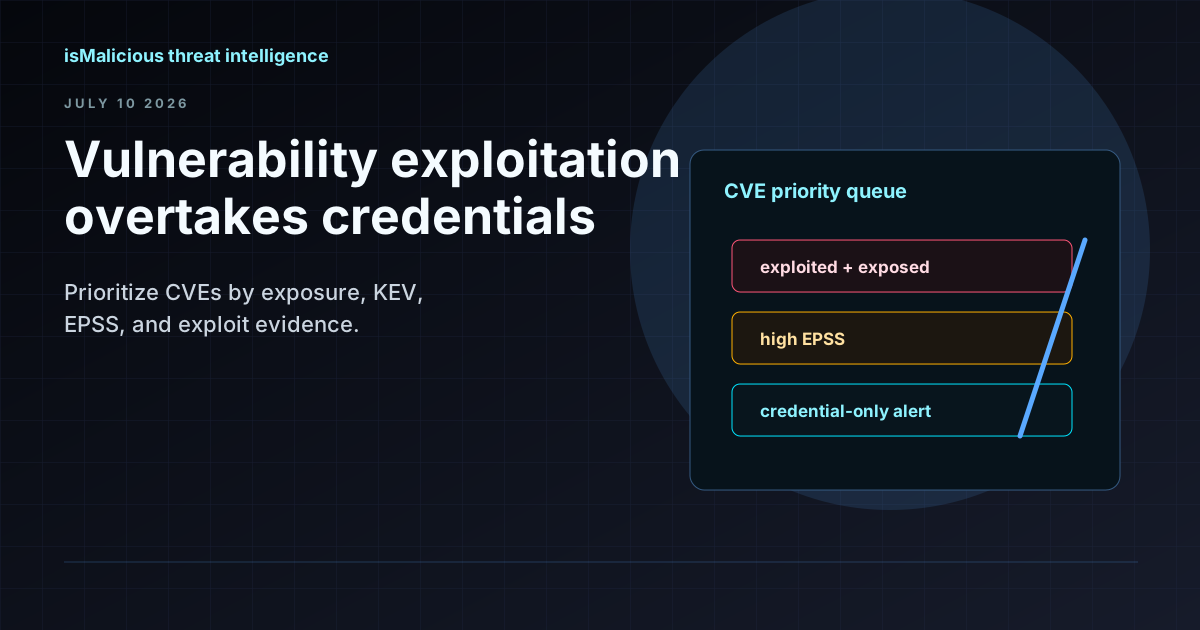 When Vulnerability Exploitation Overtakes Credentials: CVE Prioritization In 2026
Verizon DBIR reporting highlights vulnerability exploitation as a top breach path. CVE Watch, KEV, EPSS, and exposure context help teams patch what attackers actually use.
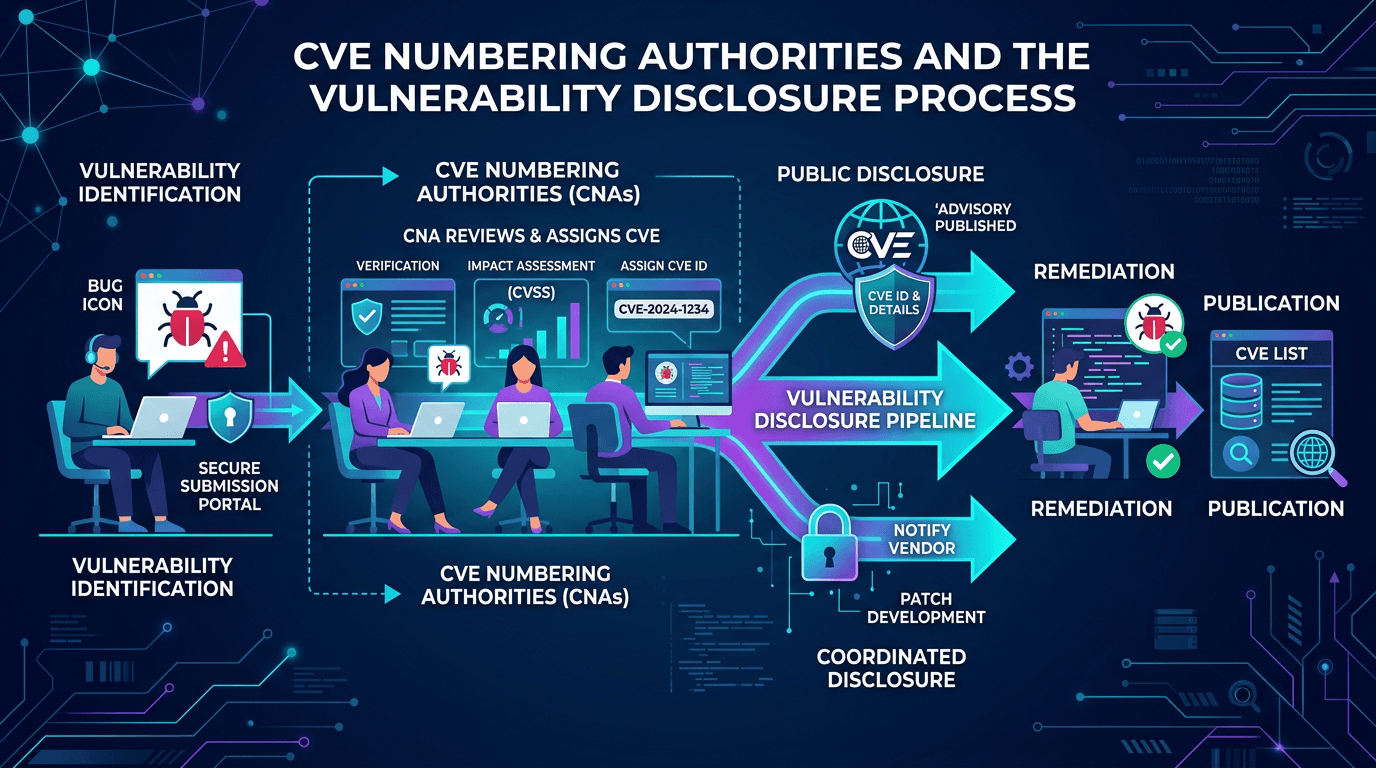 CVE Numbering Authorities and the Vulnerability Disclosure Process: A 2026 Practitioner Guide
Understand how CVEs are born—from initial vulnerability discovery through CNA assignment, coordinated disclosure, and publication—plus how this pipeline shapes defender priorities and SEO-visible vulnerability data.
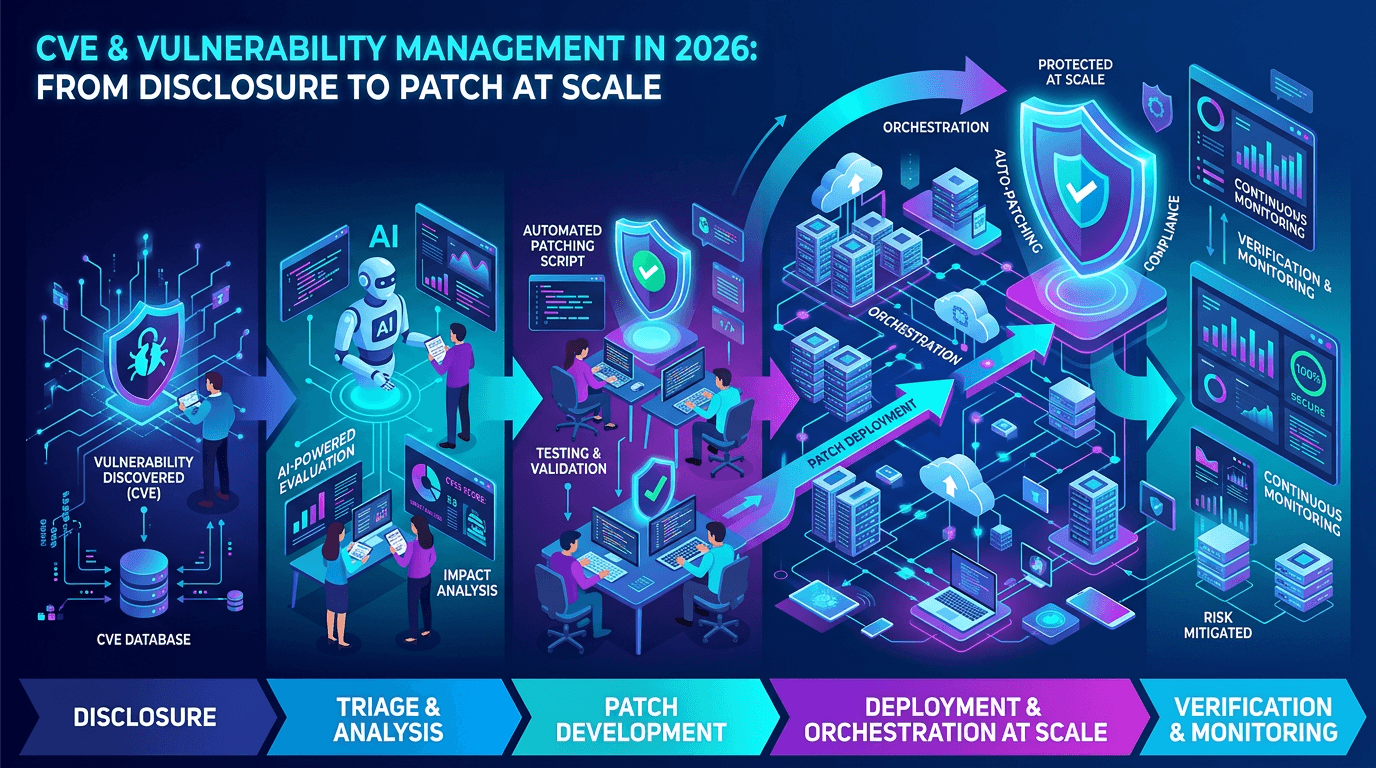 CVE & Vulnerability Management in 2026: From Disclosure to Patch at Scale
A practical guide to the CVE ecosystem, CVSS scoring, exploitability signals, and how security teams prioritize vulnerabilities without drowning in scanner noise.
Protect Your Infrastructure
Check any IP or domain against our threat intelligence database with indexed records.
Try the IP / Domain Checker