Threat Intelligence Blog
Research, insights, and updates from the isMalicious team. Page 7 of 10.

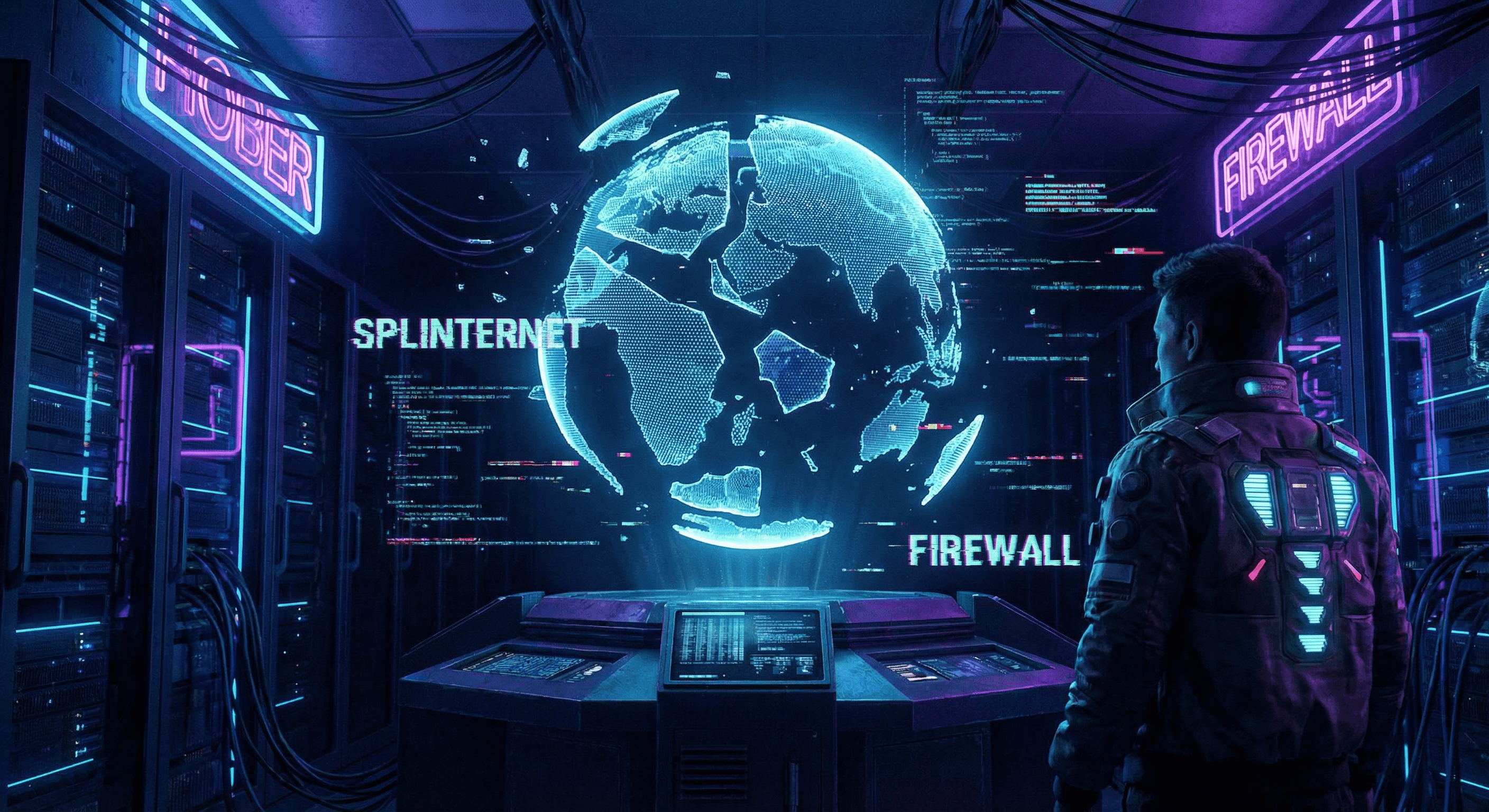
The Splinternet: Navigating a Fragmented World Wide Web
The global internet is fracturing into regional, regulated intranets. We explore the rise of the "Splinternet" and its impact on cybersecurity and global business.
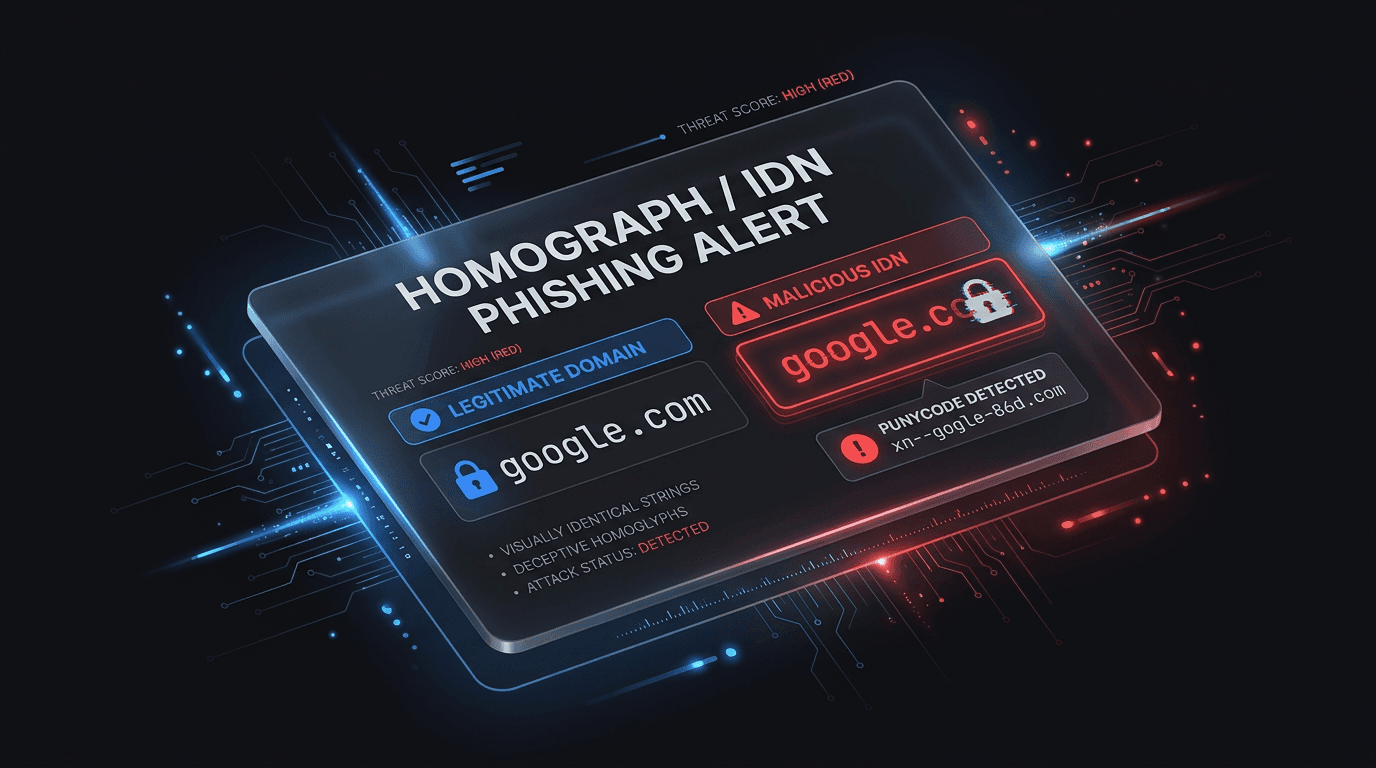
IDN and Homograph Phishing: When the Domain Looks Right But Is Wrong
Internationalized domain names and look-alike characters let attackers spoof trusted brands in the address bar. Learn how homograph attacks work and how to defend users and SOC teams.
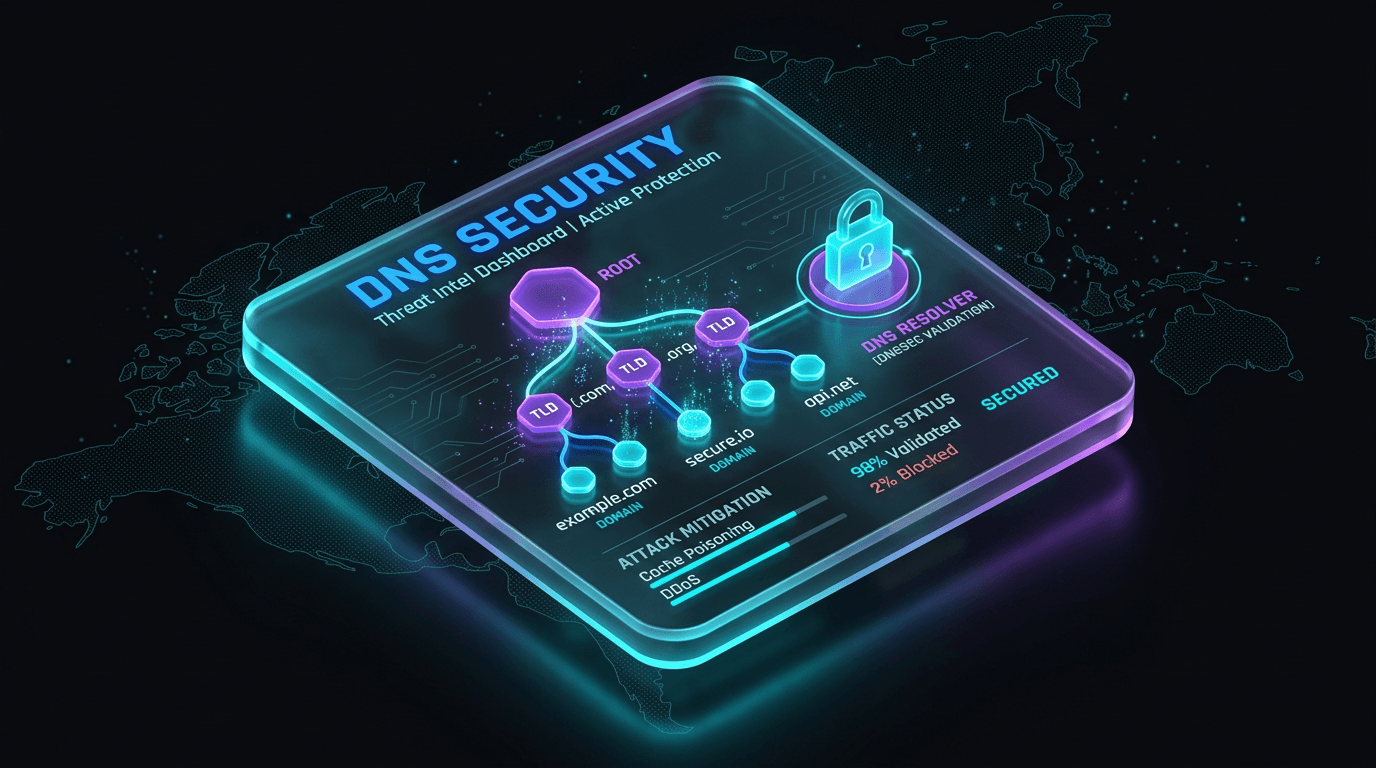
DNS Security: Poisoning, Hijacking, and Hardening That Actually Sticks
DNS is easy to ignore until it routes your users to malware. Learn how cache poisoning, hijacking, and secure DNS practices fit together.
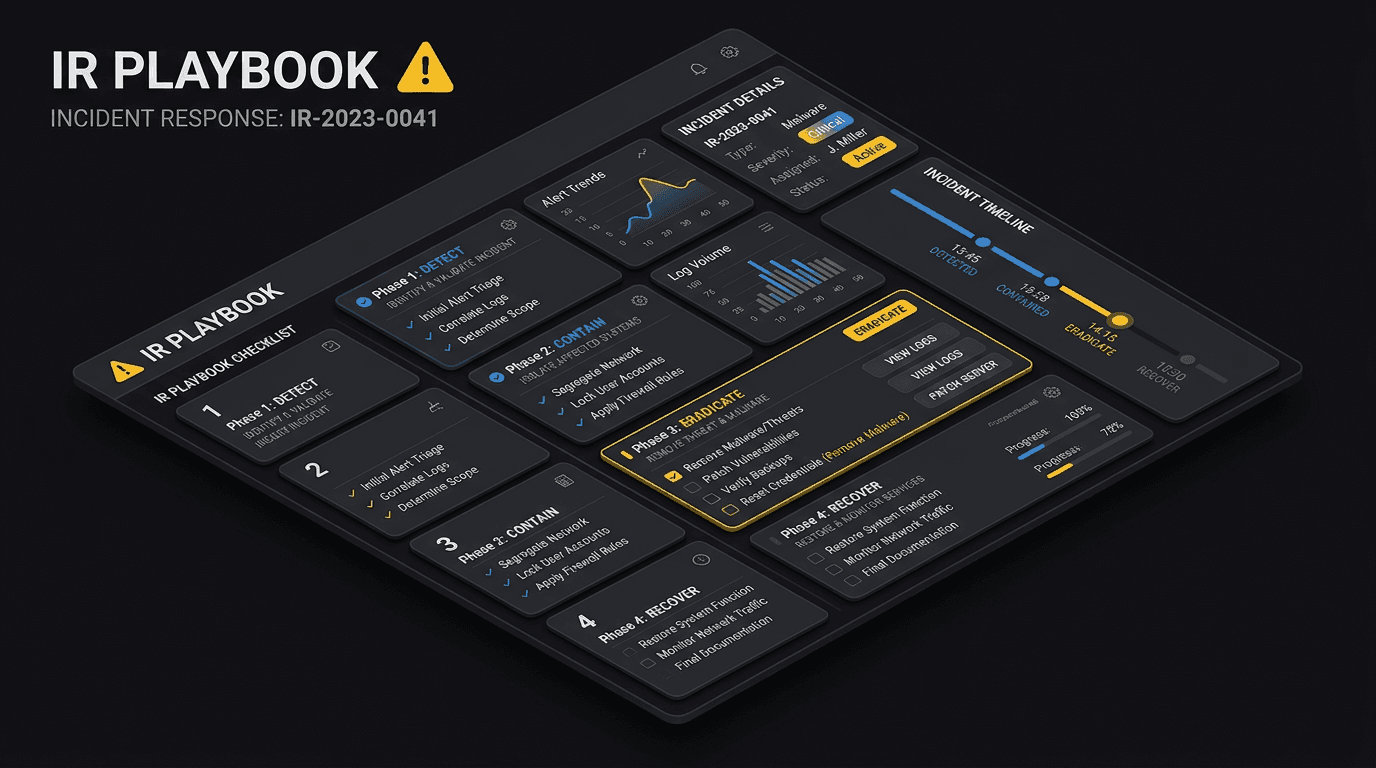
Incident Response Playbooks: Less PDF, More Rehearsal
A playbook nobody has run is fiction. Learn how to build IR phases, roles, and communications that work under pressure—and how to test them.

Steganography: Hiding Secrets in Plain Sight
Steganography hides data within innocent-looking files like images or audio. Learn how hackers use digital steganography to smuggle malware and steal data.
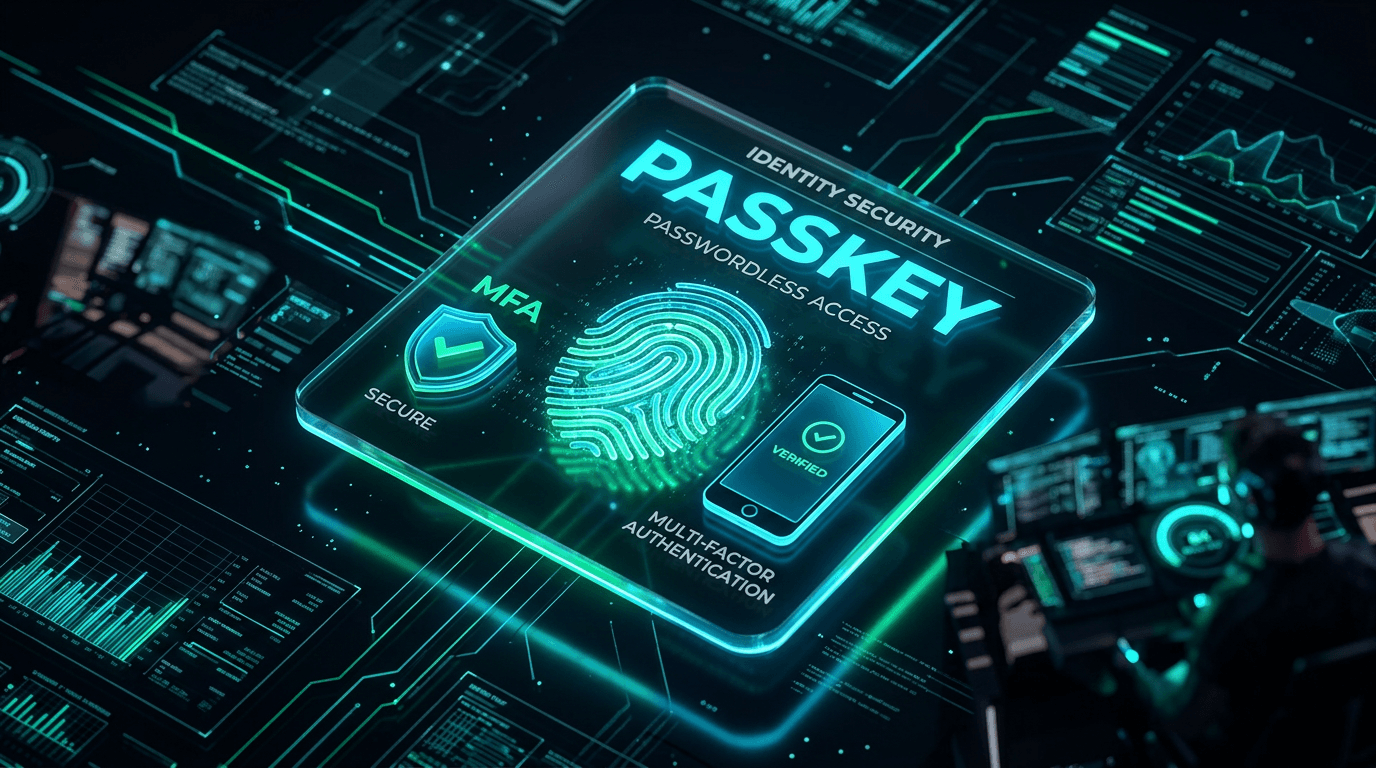
Identity Security in 2026: Passkeys, MFA, and Session Hijacking
Passwords are still everywhere, but phishing-resistant credentials and tight session controls are the real front line. Here is a practical identity roadmap.
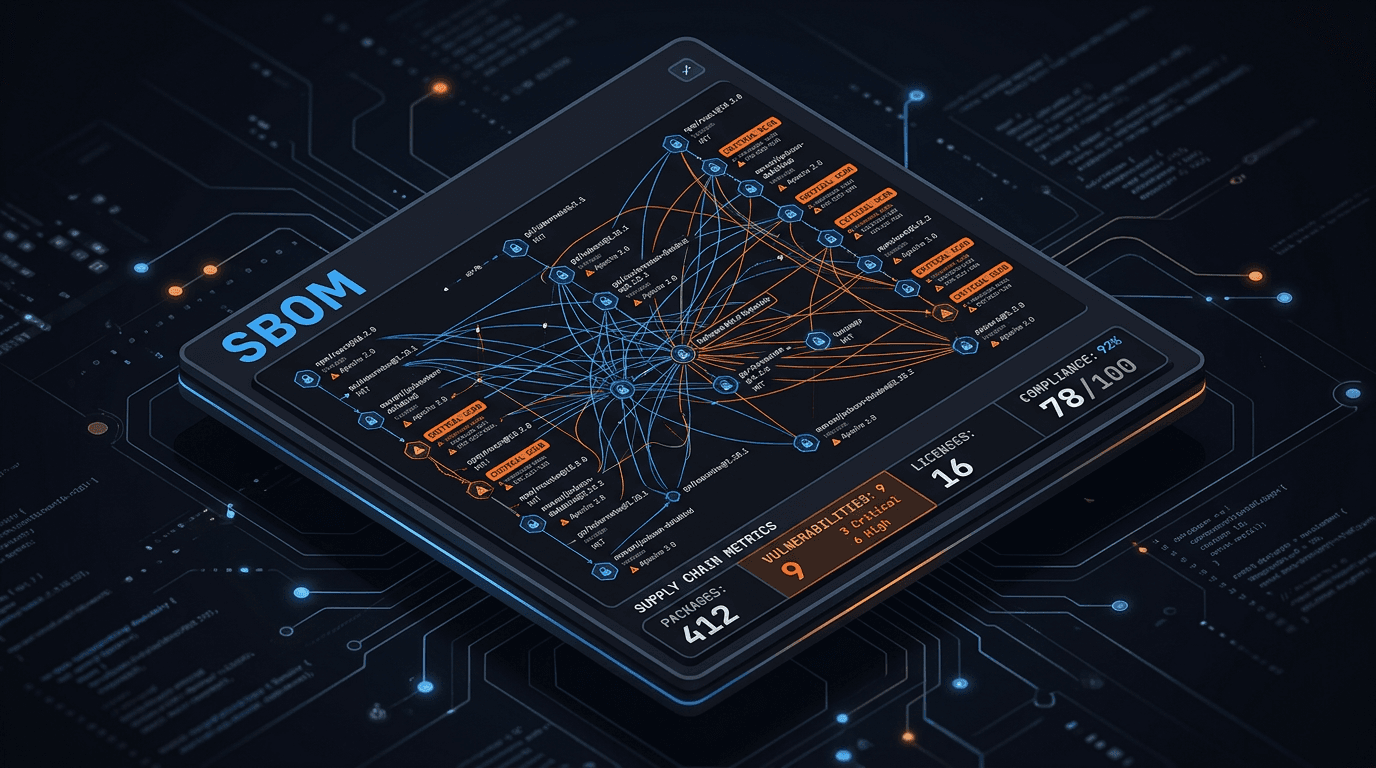
SBOM and Supply Chain Security: What Security Teams Actually Need
Software bills of materials are not paperwork for compliance alone. Learn how SBOMs reduce third-party risk and speed response when a dependency blows up.
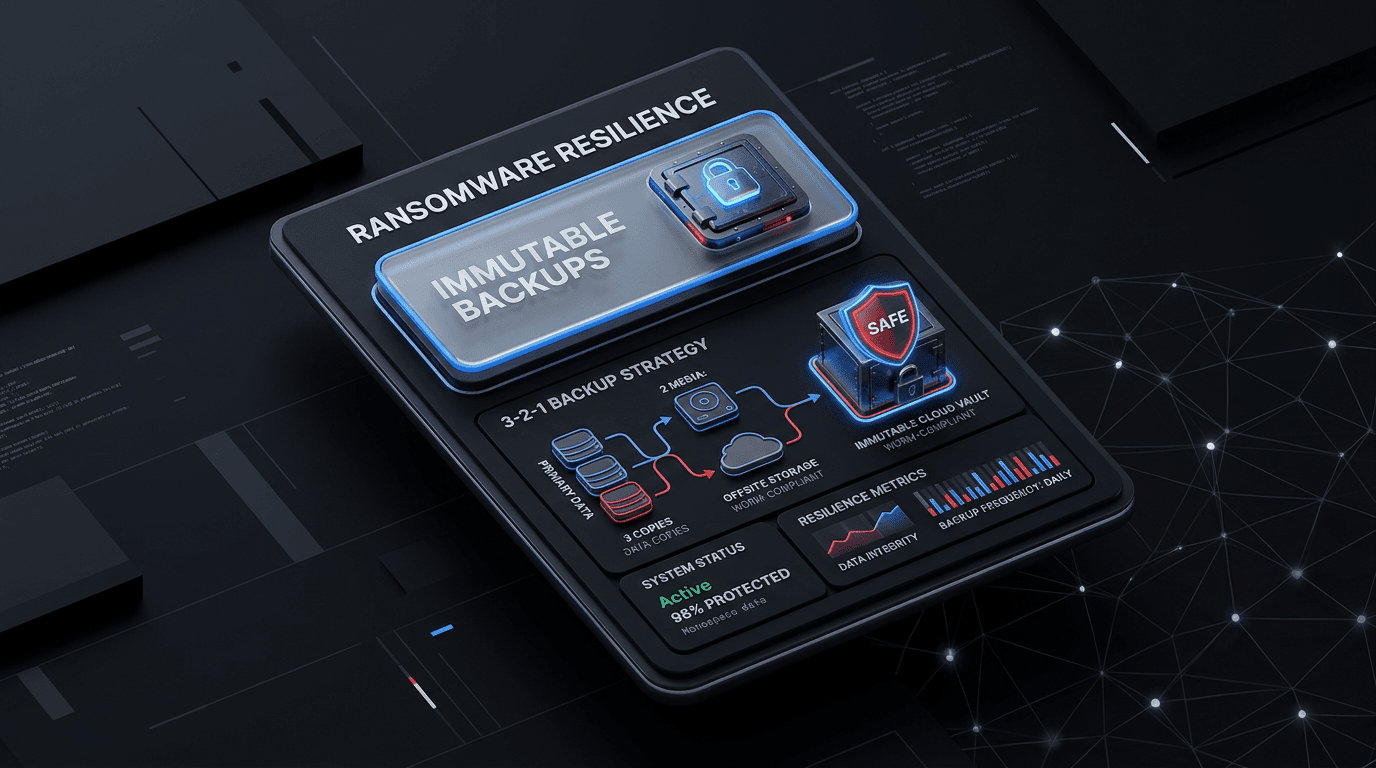
Ransomware Resilience: Why Immutable Backups Still Matter in 2026
Attackers target backups first. Learn how immutable storage, the 3-2-1 rule, and recovery drills turn ransomware from a business-ending event into a manageable incident.
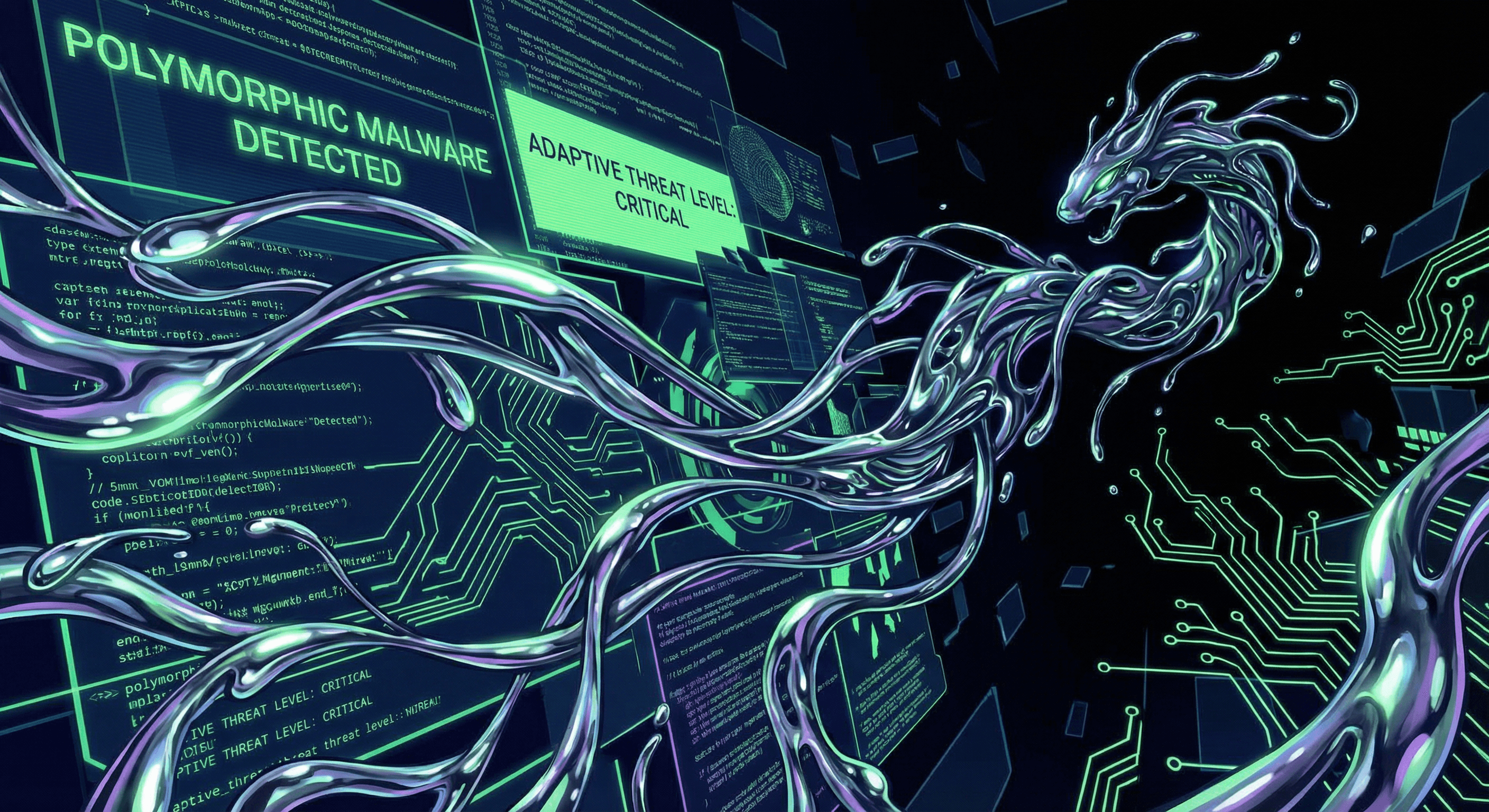
Polymorphic Malware: The Shapeshifting Code
Traditional antivirus relies on signatures, but polymorphic malware changes its code every time it replicates. Discover how this shapeshifting threat evades detection.

Synthetic Identity Fraud: The Ghost in the Machine
Synthetic identity fraud is the fastest-growing financial crime. Learn how criminals combine real and fake data to create "ghost" identities and how to detect them.
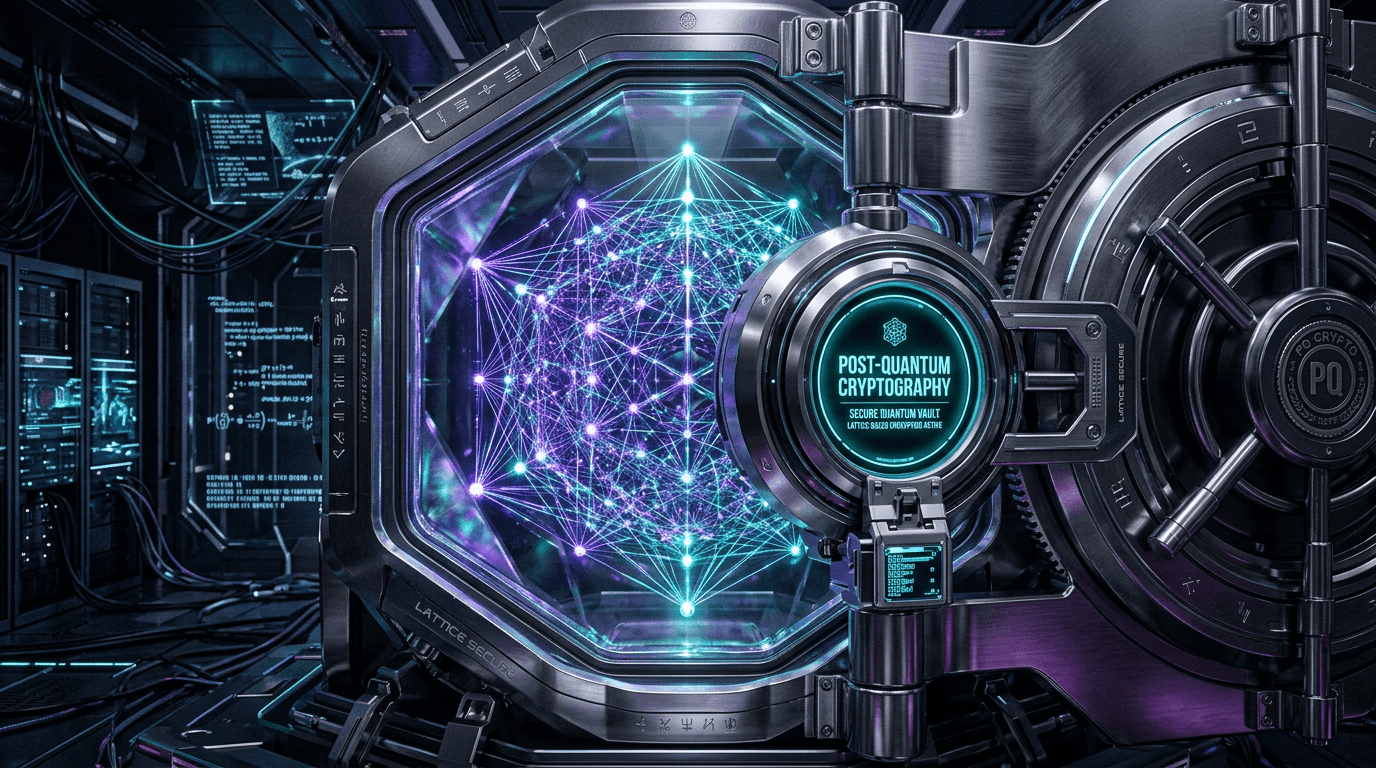
Preparing for Q-Day: Post-Quantum Cryptography Explained
Quantum computers threaten to break the encryption that secures the internet. Discover what Post-Quantum Cryptography (PQC) is and how to prepare for the quantum future.
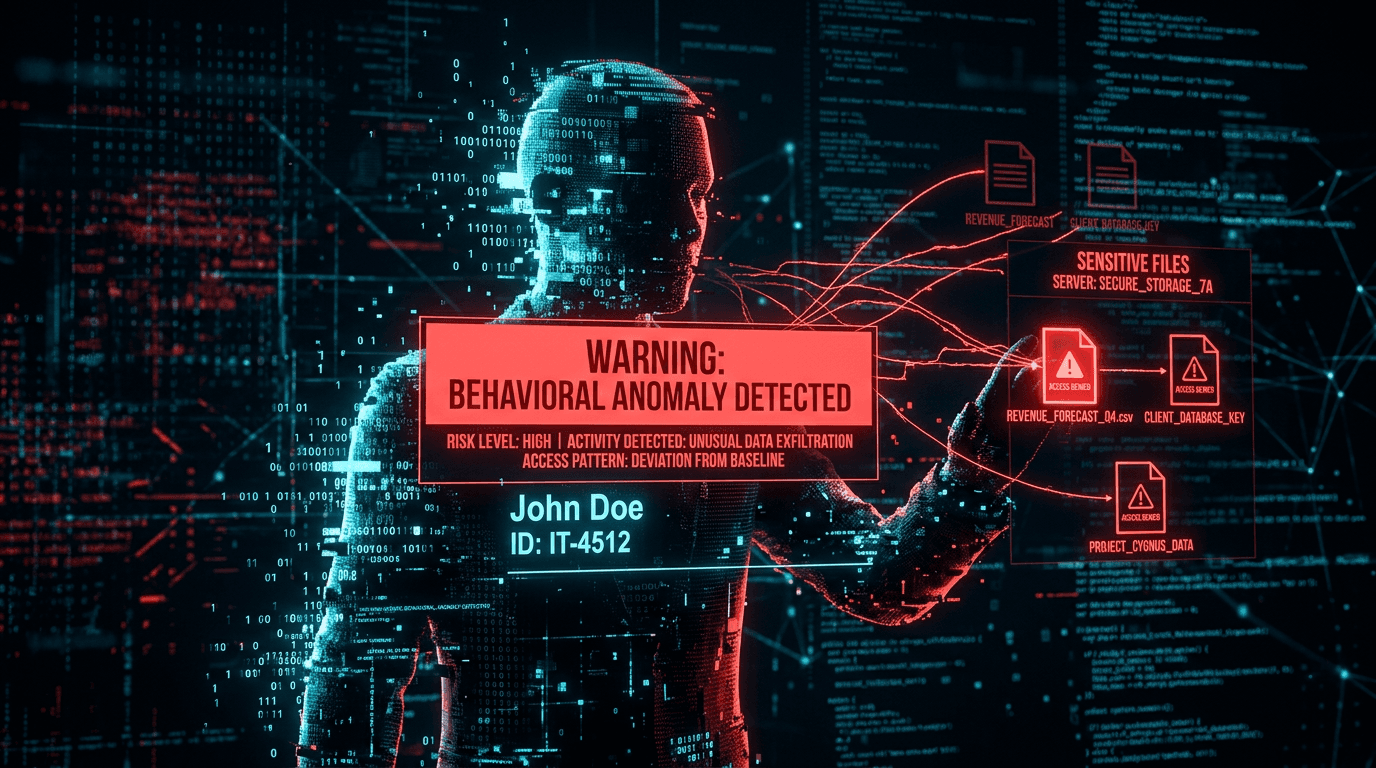
Detecting the Enemy Within: Behavioral Analytics for Insider Threats
Insider threats are notoriously difficult to detect because the actor already has legitimate access. Learn how UEBA can help spot the subtle signs of malicious intent.
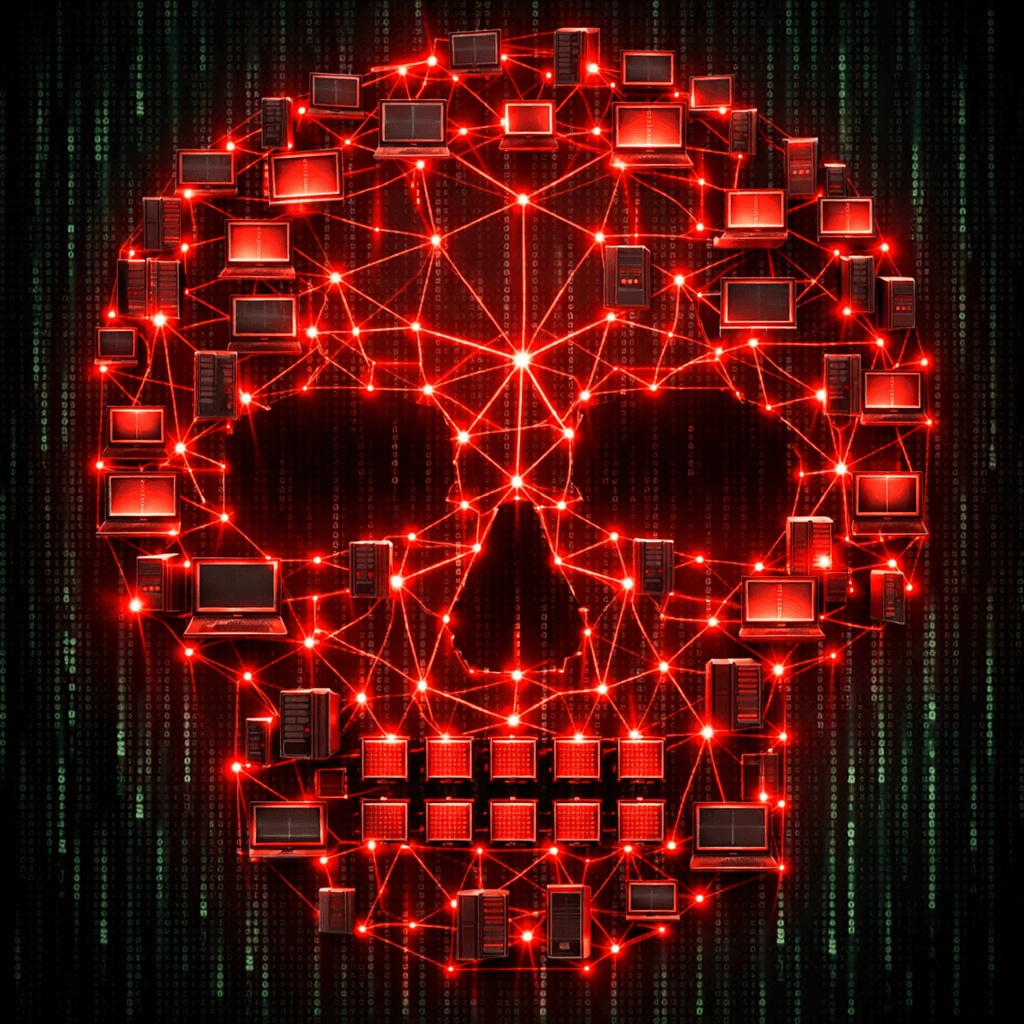
Botnets Explained: Is Your Computer Part of a Zombie Army?
Botnets are networks of infected devices controlled by cybercriminals. Find out how they work, what they do, and how to check if your IP is involved.
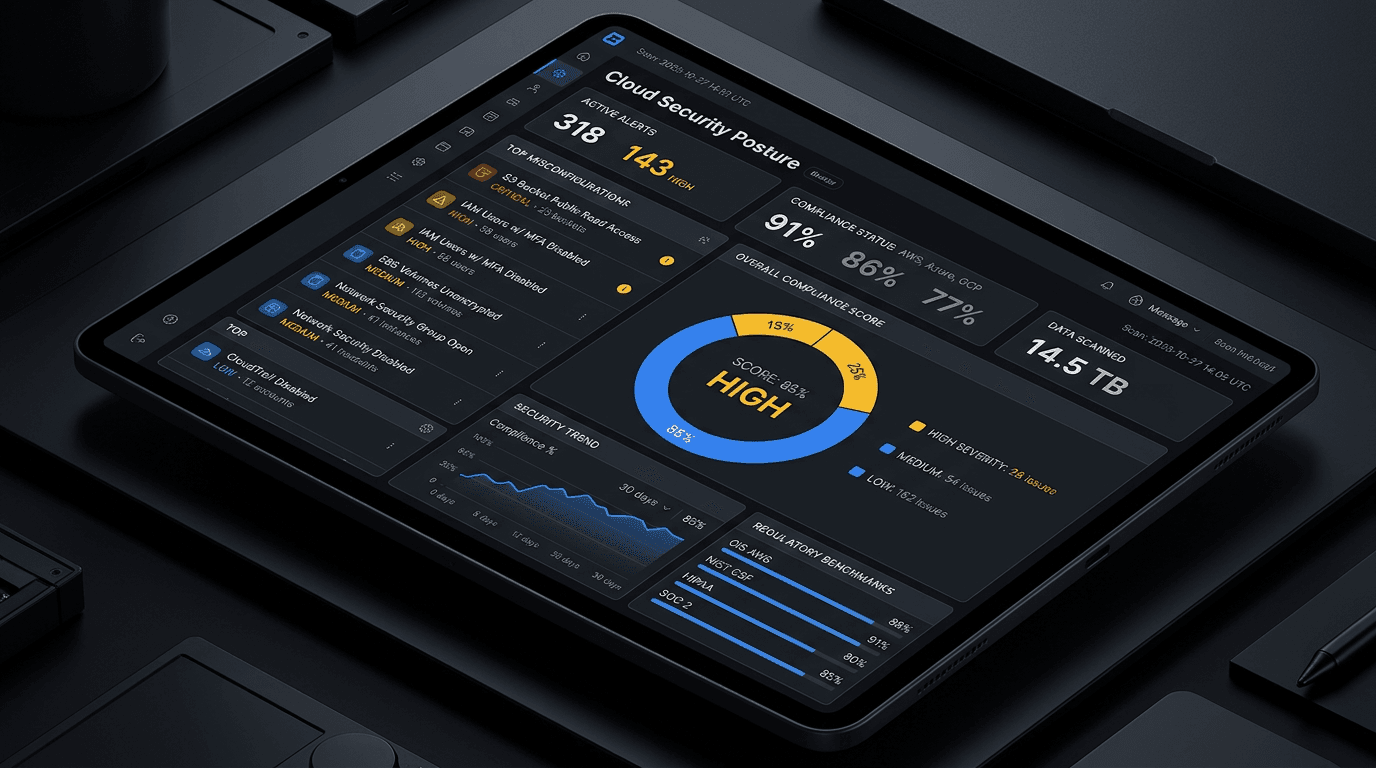
CSPM vs. CWPP: Decoding Cloud Security Acronyms
Cloud security is full of acronyms. We break down the difference between CSPM and CWPP and why you likely need both.
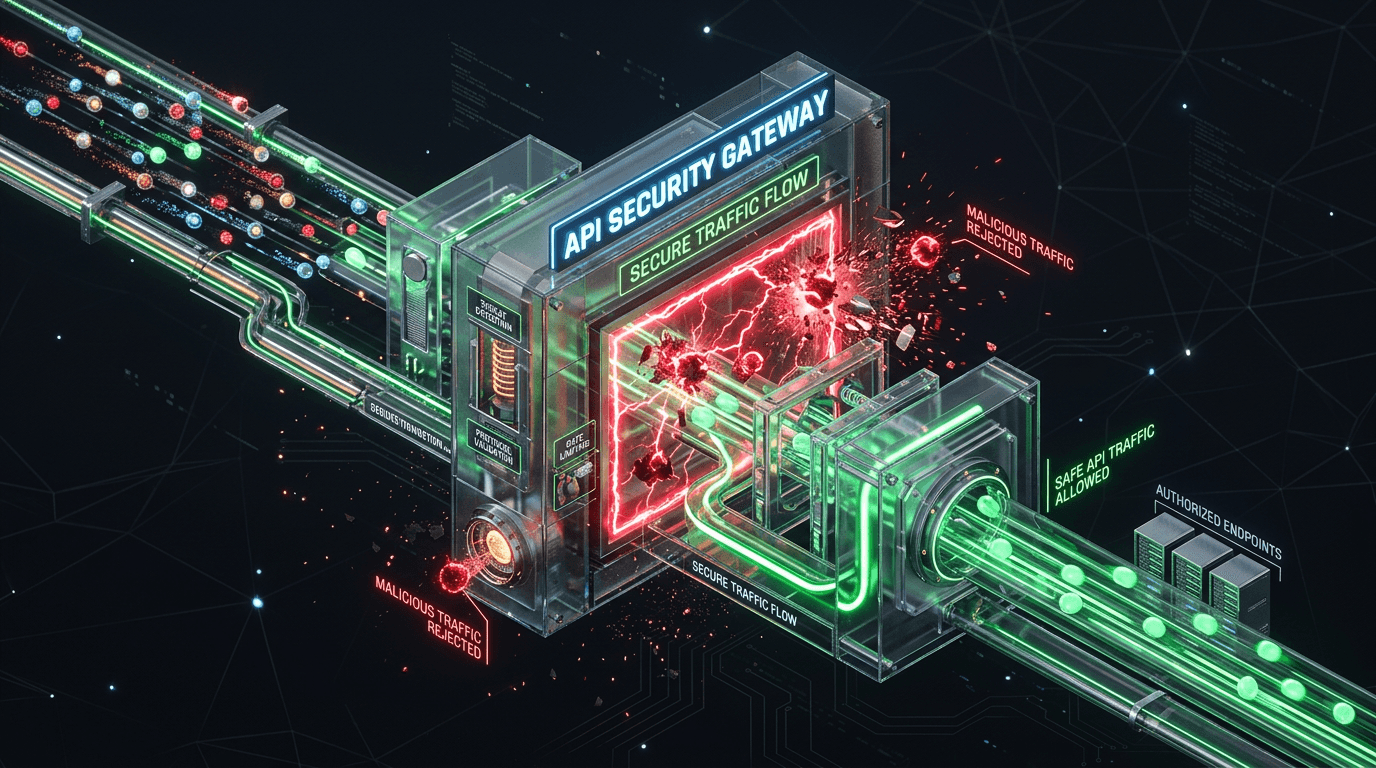
The Rise of API Attacks: Protecting the Modern Attack Surface
APIs are the connective tissue of the modern web, and they are under attack. Explore the unique vulnerabilities of APIs and how to secure them.
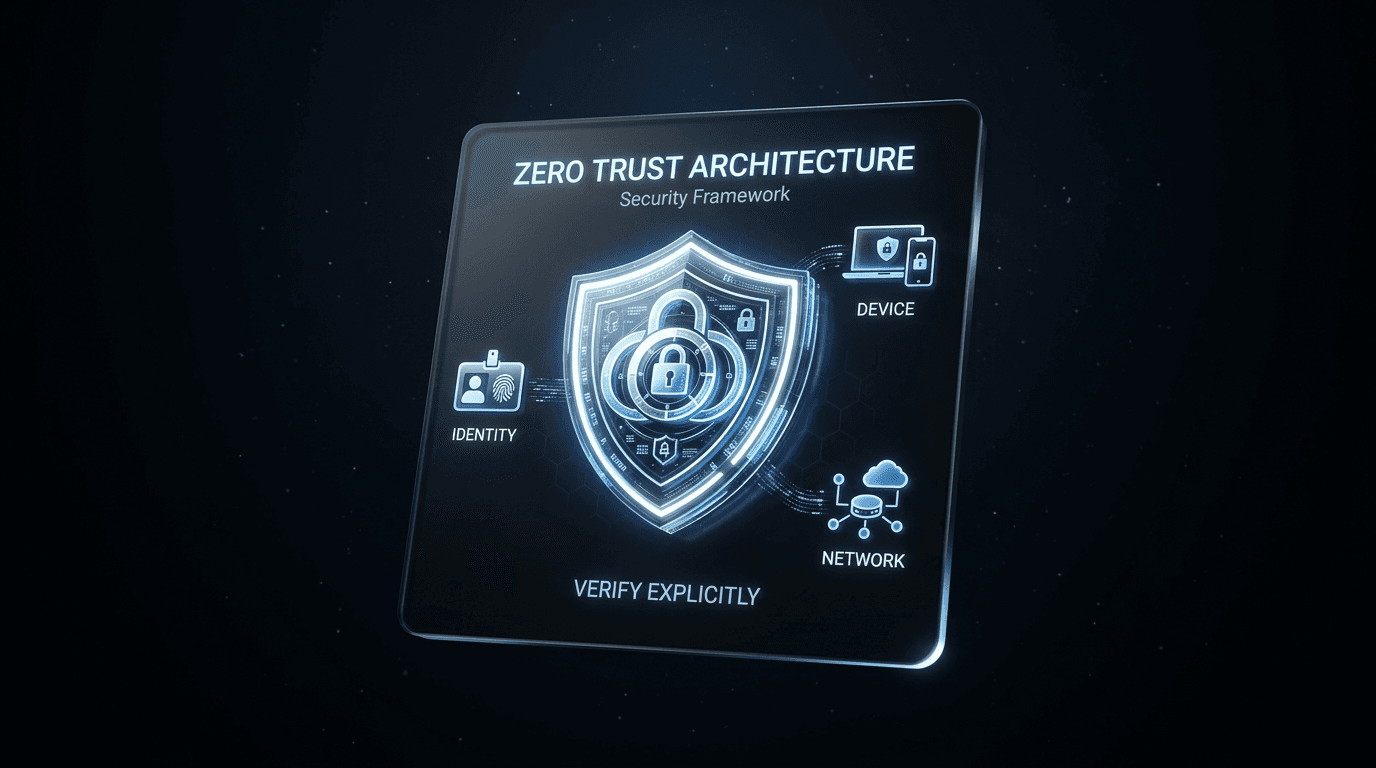
Implementing Zero Trust: Beyond the Buzzword
Zero Trust is not a product; it is a philosophy. Learn how to move beyond the marketing hype and implement a true "Verify Explicitly" architecture.
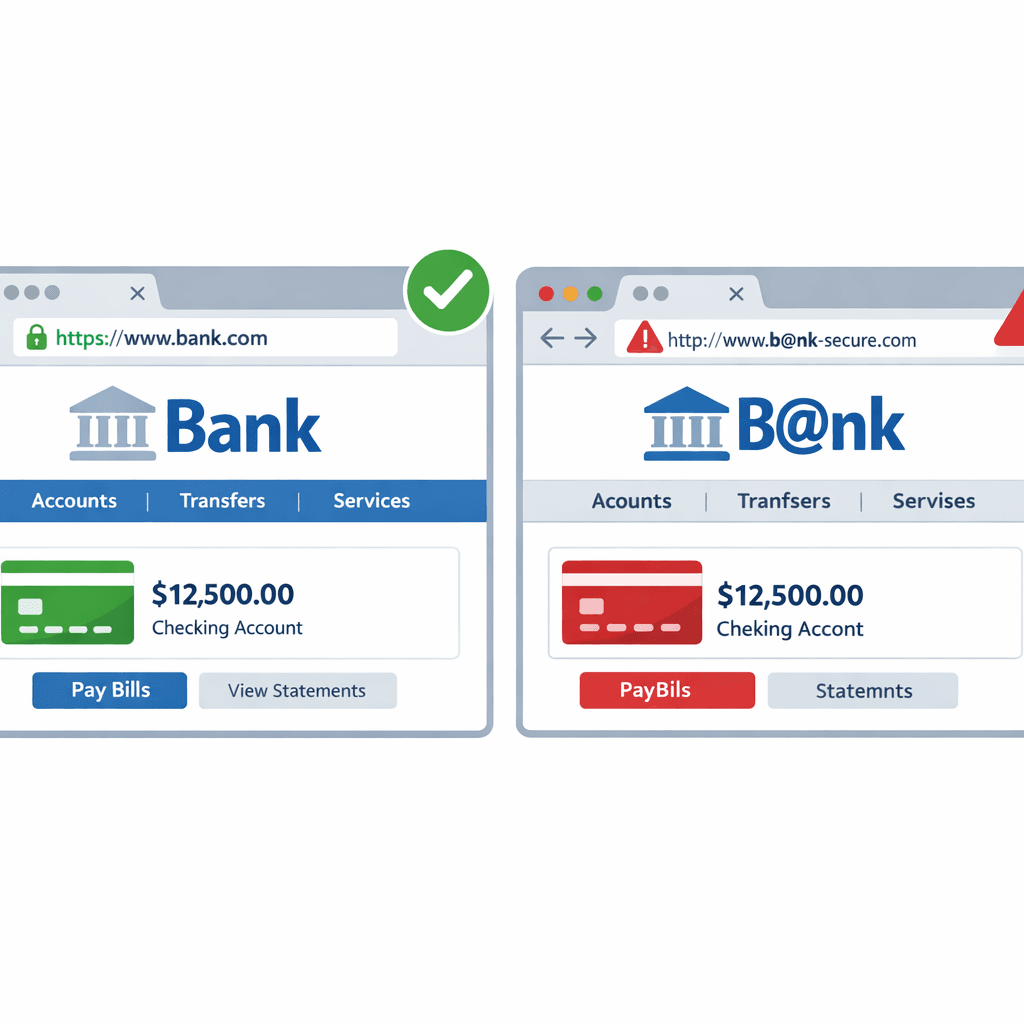
How Hackers Use "Typosquatting" to Trick You (and How to Spot It)
Typosquatting relies on your fingers slipping. Learn how attackers register look-alike domains to steal your data and how to check URLs before you click.
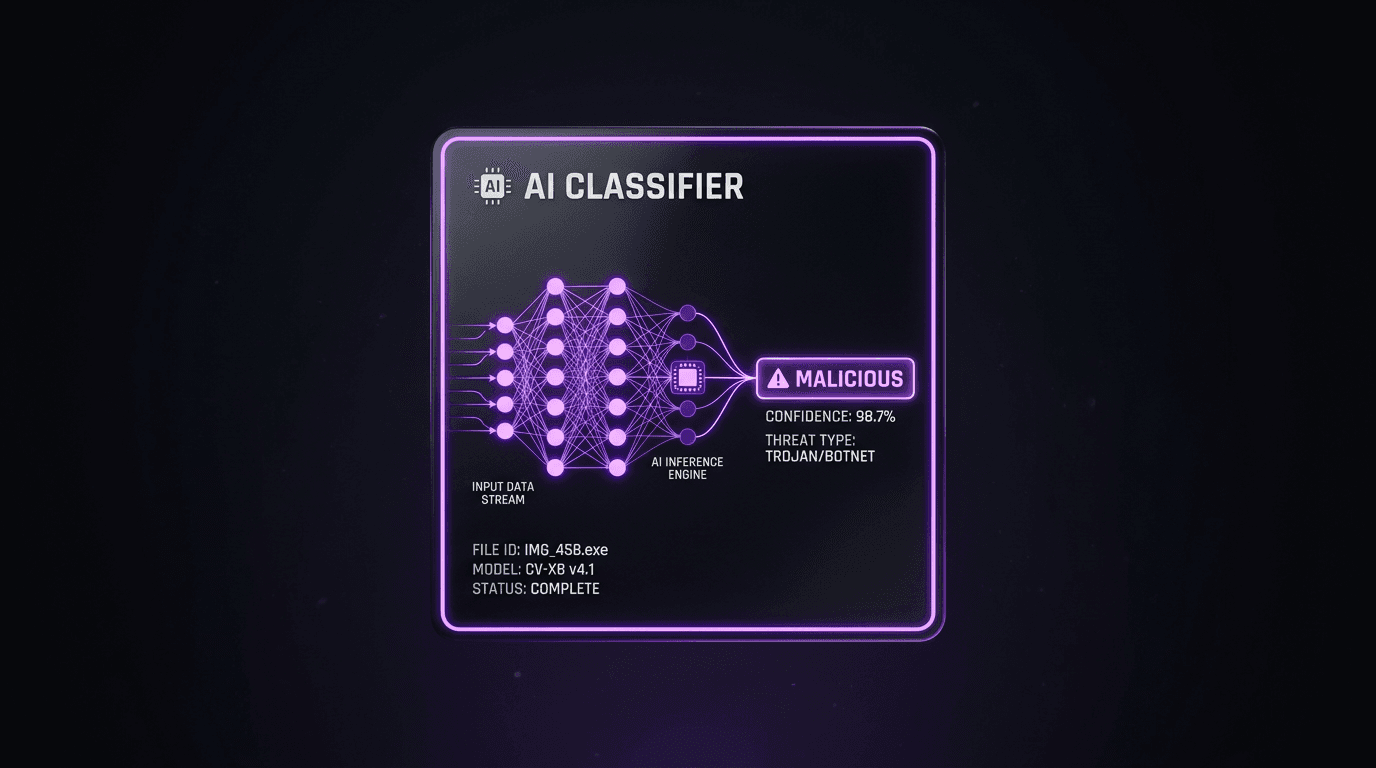
Automated Threat Classification using Machine Learning
Machine Learning is transforming how we classify threats. Discover how AI models can analyze vast amounts of data to categorize attacks instantly.
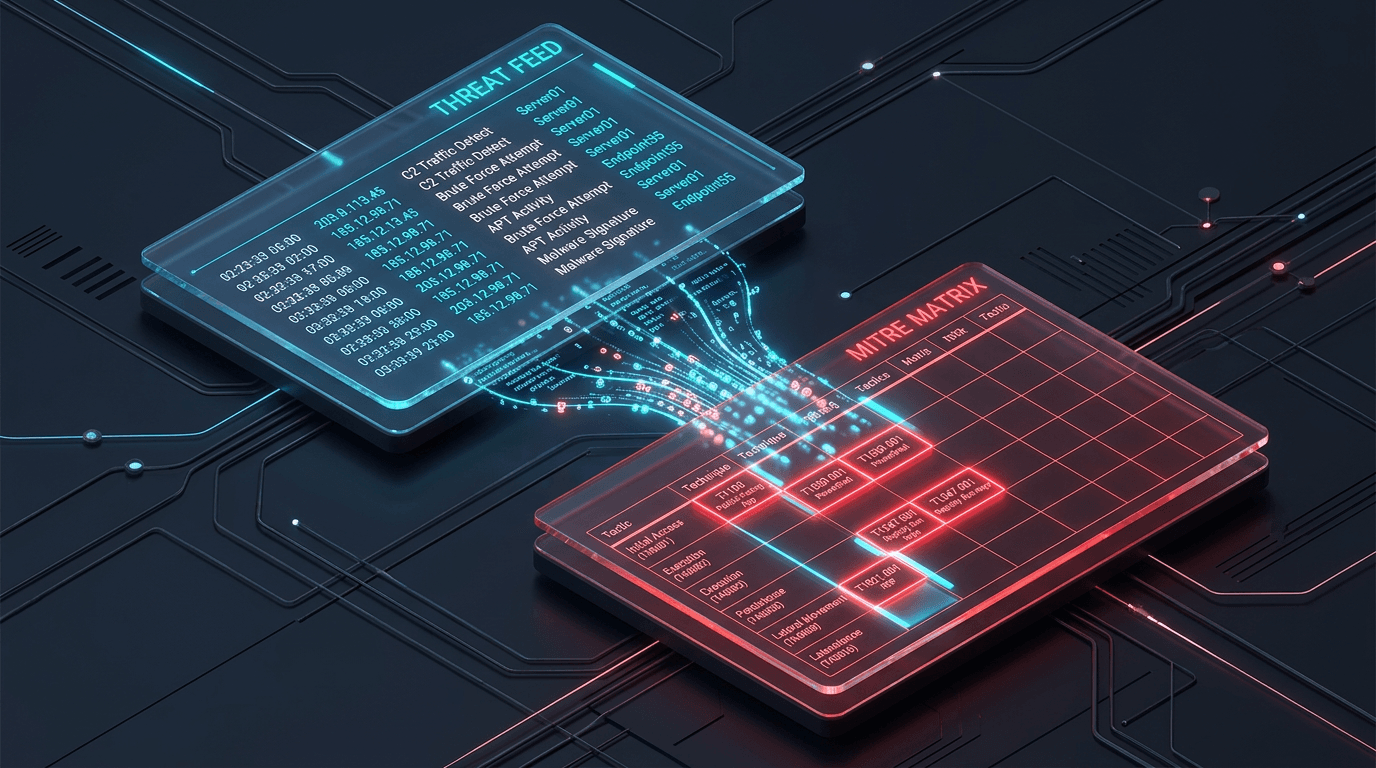
Integrating MITRE ATT&CK with Real-Time Threat Feeds
Bridge the gap between strategic frameworks and tactical defense. Learn how to map real-time threat feeds directly to the MITRE ATT&CK matrix.
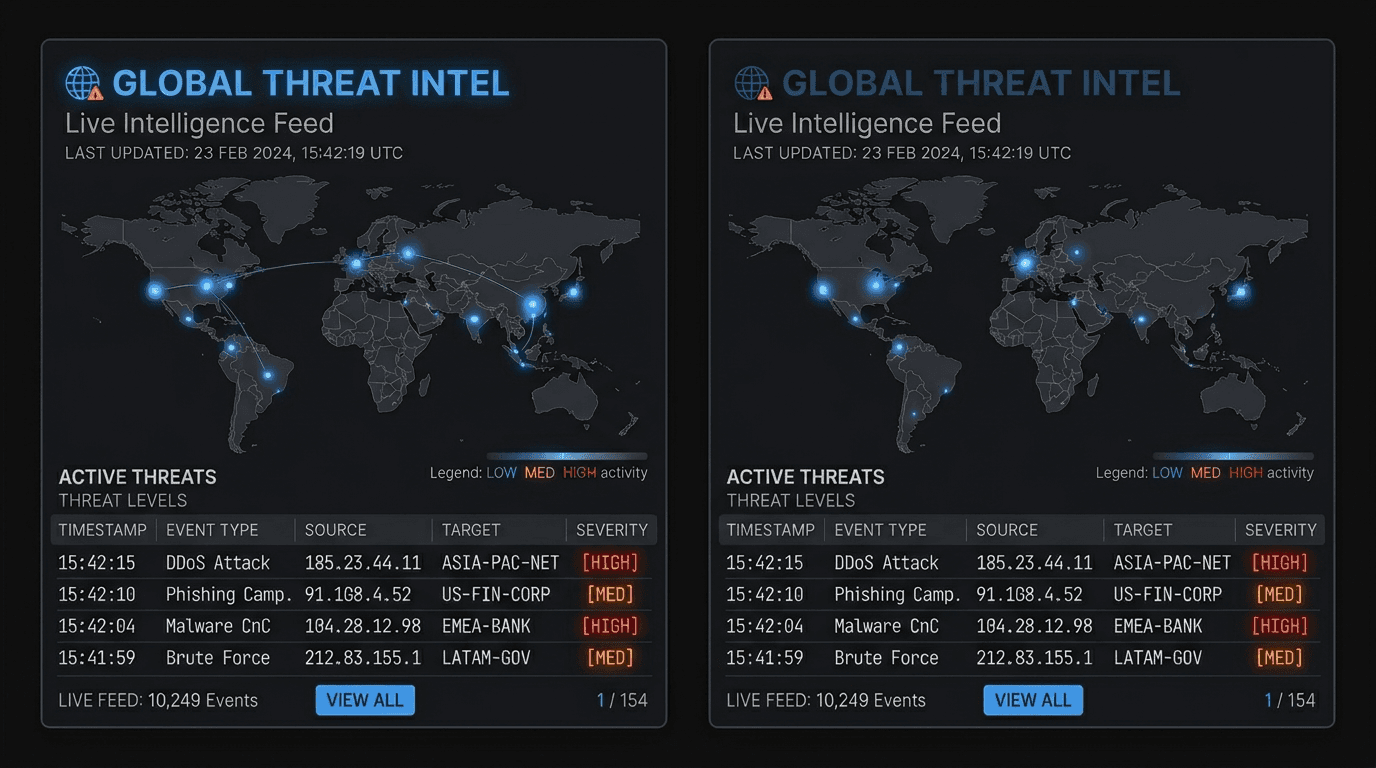
The Evolution of Threat Intelligence in 2026
Threat intelligence has moved beyond simple blocklists. Explore how AI, context, and real-time integration are shaping the future of cyber defense.
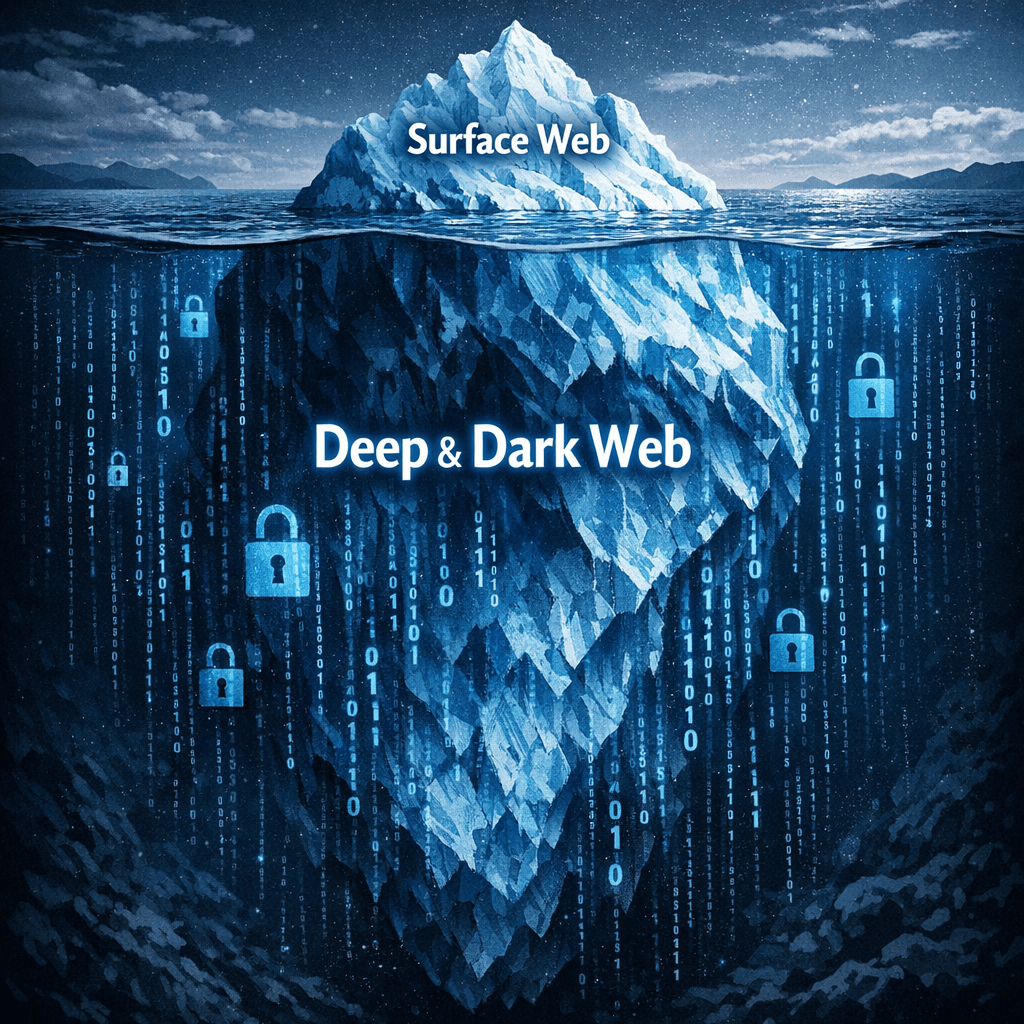
The Dark Web vs. Deep Web: Where Do Cyber Threats Hide?
Confused by the Dark Web and Deep Web? We explain the difference and where cyber threats like stolen credentials and malware actually live.
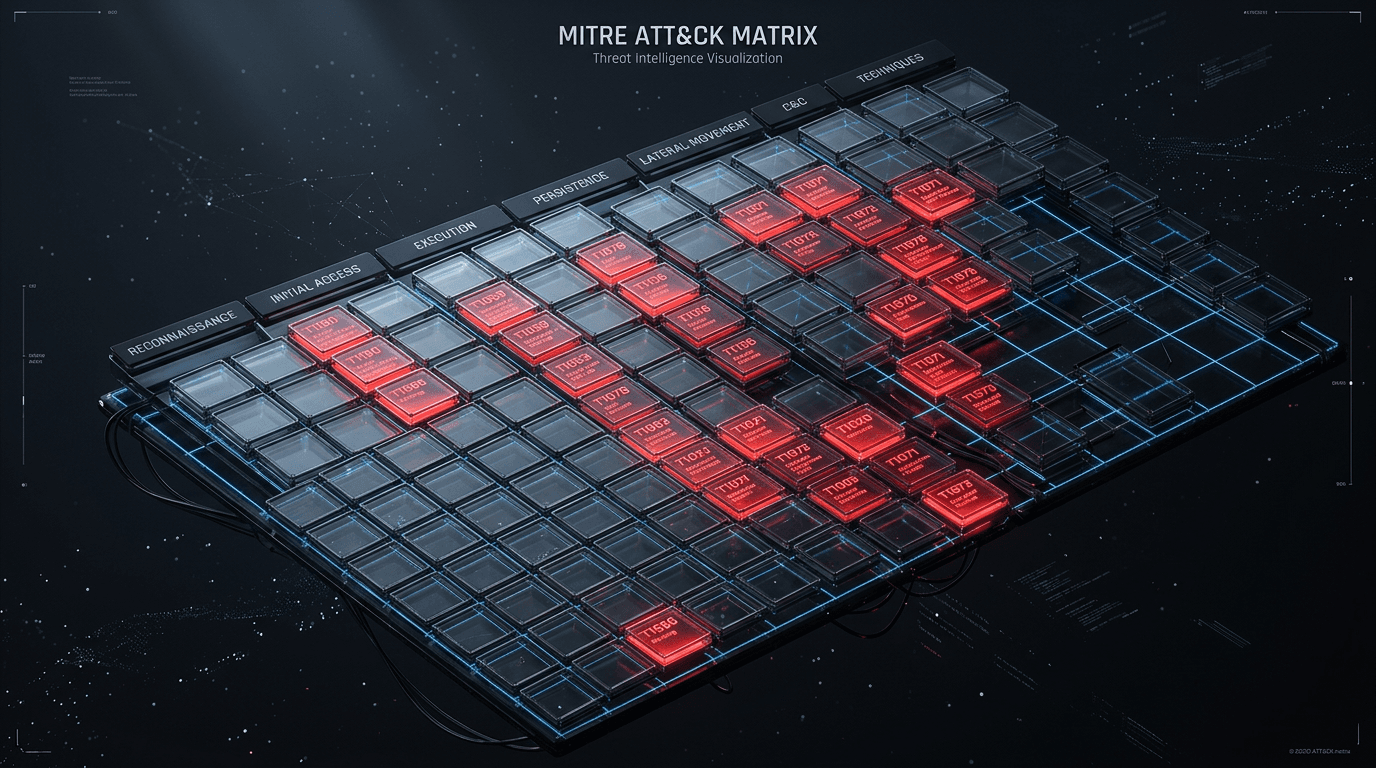
Mapping Your Defenses with MITRE ATT&CK
The MITRE ATT&CK framework is the gold standard for understanding adversary behavior. Discover how to map your defenses to specific techniques.
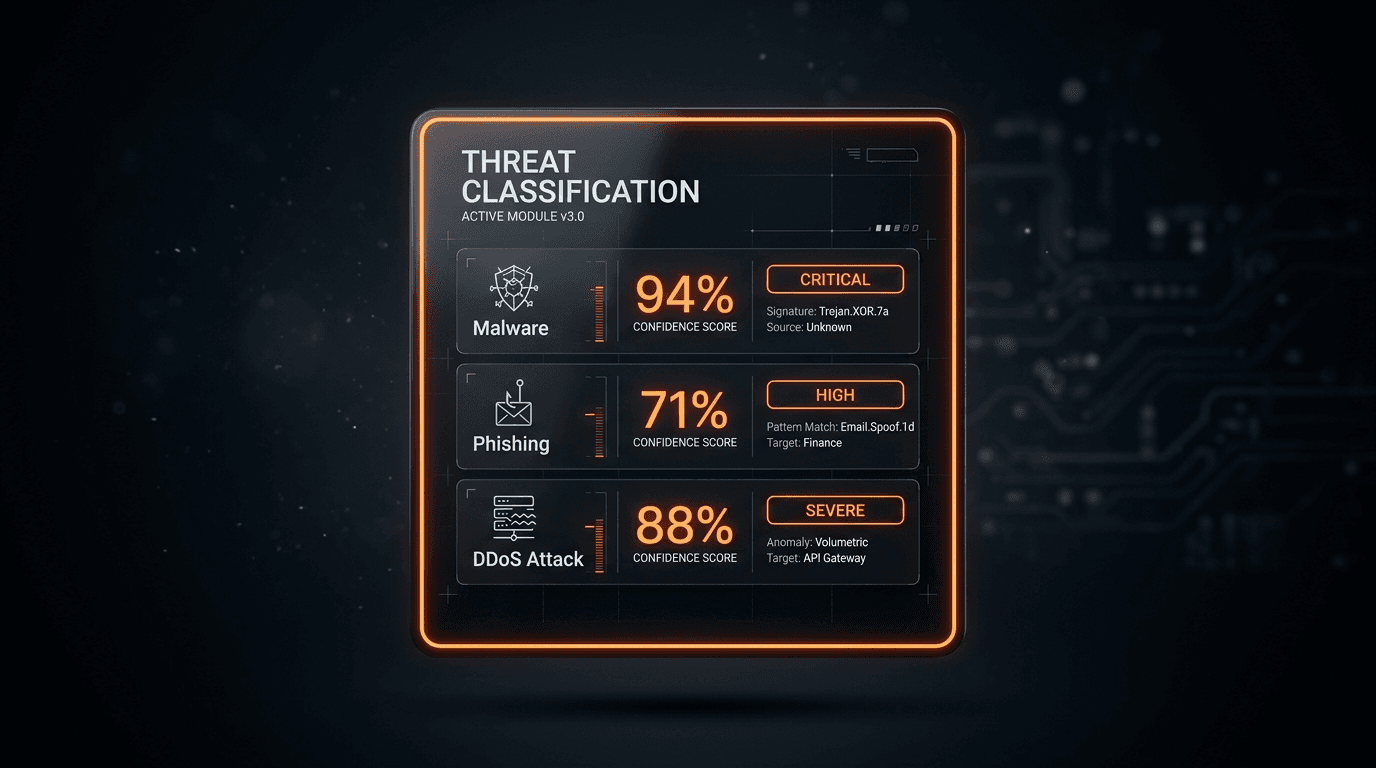
Understanding Threat Classification: A Guide for Modern SOCs
Effective threat classification is the cornerstone of a modern SOC. Learn how to categorize threats to reduce steps in incident response and reduce alert fatigue.

Is Your Email Leaking Data? How to Check Email Reputation
Learn why email reputation matters for security and deliverability, and how to check if an email address is compromised or malicious.
Subscribe to Our Newsletter
Weekly threat intelligence insights delivered to your inbox.