Threat Intelligence Blog
Research, insights, and updates from the isMalicious team. Page 8 of 10.


Space Systems Cyber Threats: Securing the Final Frontier
As space becomes accessible, it becomes a target. From satellite hijacking to ground station jamming, we analyze the unique threats to orbital assets and how threat intelligence secures the new space race.

Metaverse Security: Privacy and Identity in Virtual Worlds
As the enterprise Metaverse expands, so does the attack surface. From avatar impersonation to spatial data theft, we explore the new frontier of virtual threats and how IP reputation protects digital assets.

Threat Intelligence Sharing: How Organizations Fight Back Together
No single organization can monitor every threat alone. Learn how information sharing communities (ISACs), standard protocols like STIX/TAXII, and commercial threat feeds form a collaborative shield against adversaries.

Detecting VPNs, Proxies & Tor: The Hidden Threat in Anonymized Traffic
Legitimate users rarely hide behind Tor or anonymous proxies. Discover how attackers exploit anonymization layers to bypass defenses, and how IP intelligence helps you unmask high-risk traffic in real-time.

Credential Stuffing Attacks: Why Stolen Password Lists Keep Working
Billions of breached username/password pairs are actively weaponized every day. Learn how credential stuffing differs from brute force, why it succeeds at scale, and how to stop it using IP reputation and anomaly detection.

Drone Defense Security: Mitigating Unauthorized UAV Threats
Unauthorized drones pose a threat to critical infrastructure, stadiums, and prisons. This post explores Counter-Unmanned Aircraft Systems (C-UAS), detection methods, and how strict "no-fly" zones are enforced electronically.

Building a Custom SOC Dashboard: Integrating Real-Time Threat Feeds
Enhance your Security Operations Center visibility. A step-by-step guide to aggregating threat data, enriching logs, and building custom security dashboards using modern Threat Intelligence APIs.

Why Your SaaS Needs to Block Disposable Email Addresses Immediately
Disposable and temporary email addresses can enable fraud, spam, and abuse. Learn how disposable-domain detection supports account controls and sender reputation.

How to Automate Malicious IP Blocking with Threat Intelligence APIs
Stop relying on static blocklists. Learn how to integrate real-time threat intelligence APIs into your firewalls and application logic to automatically detect and block malicious IP addresses before they strike.

Smart City Security: Protecting Critical Infrastructure from Cyber Attack
Connected traffic lights, sensors, and water systems create a vast attack surface in modern cities. We examine the vulnerabilities of smart city infrastructure and the cascading failures a cyberattack could cause.

Domain Reputation Scoring: The First Line of Defense Against Phishing
Not all domains are created equal. Discover how real-time domain reputation scoring helps organizations proactively identify and block phishing infrastructure, fake websites, and parked domains used by cybercriminals.
Biometric Spoofing: Defeating Authentication in an AI World
Are fingerprints and facial recognition truly secure? We explore the techniques attackers use to spoof biometric sensors, from 3D-printed faces to synthetic voice cloning.
Industrial Control Systems (ICS) Malware Trends: The OT/IT Convergence Risk
Operational Technology (OT) environments are under siege. We analyze the latest ICS-specific malware strains targeting PLCs and SCADA systems, and offer defense strategies for critical infrastructure.

Satellite Internet Security: Vulnerabilities in Low Earth Orbit (LEO)
Attack surfaces expand vertically as LEO constellations integrate with enterprise networks. This post details orbital jamming, ground station spoofing, and the lack of encryption standards in commercial satellite systems for security engineers.
Quantum Computing Threats to Encryption: A 2026 Perspective
As quantum supremacy nears, the threat to RSA and ECC encryption becomes existential. This analysis explores Post-Quantum Cryptography (PQC) migration strategies for security teams and the immediate risks of Harvest Now, Decrypt Later (HNDL) attacks.
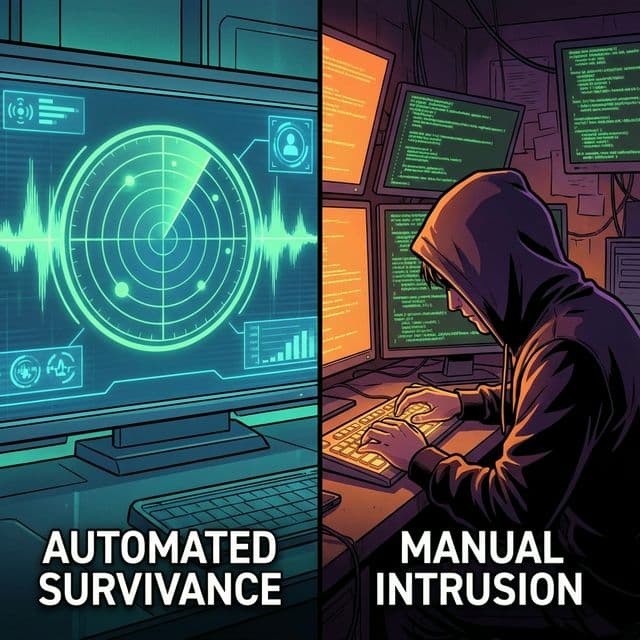
Penetration Testing vs. Vulnerability Scanning: What's the Difference?
Often confused, these two security practices serve very different purposes. Discover when to use automated scanning and when to invest in a manual penetration test.

VirusTotal Alternative for SOC Automation
VirusTotal or isMalicious? Compare IP, domain, URL, and hash reputation, API limits, and pricing — and when each one is the right tool.

Building an Effective Incident Response Plan: A Step-by-Step Guide
When a cyberattack strikes, panic is your enemy. Learn how to create and test an incident response plan to ensure your team knows exactly what to do.

AbuseIPDB Alternative: IPs, Domains & URLs
AbuseIPDB covers IPs only. See how isMalicious compares on domain and URL coverage, free-tier limits, enrichment, and monitoring — side by side.

Cyber Threats 101: Understanding Online Dangers
A beginner's guide to common cyber threats. Understand malware, viruses, and hackers, and learn how to protect yourself online.
How to Check If an IP Address Is Malicious
Check the reputation of any IP in seconds: the signals that matter, the free tools that work, and how SOC teams triage a suspicious address.

IAM Best Practices: Securing Identity and Access
Identity is the new perimeter. Discover specific best practices for Identity and Access Management (IAM) to prevent unauthorized access and privilege escalation.
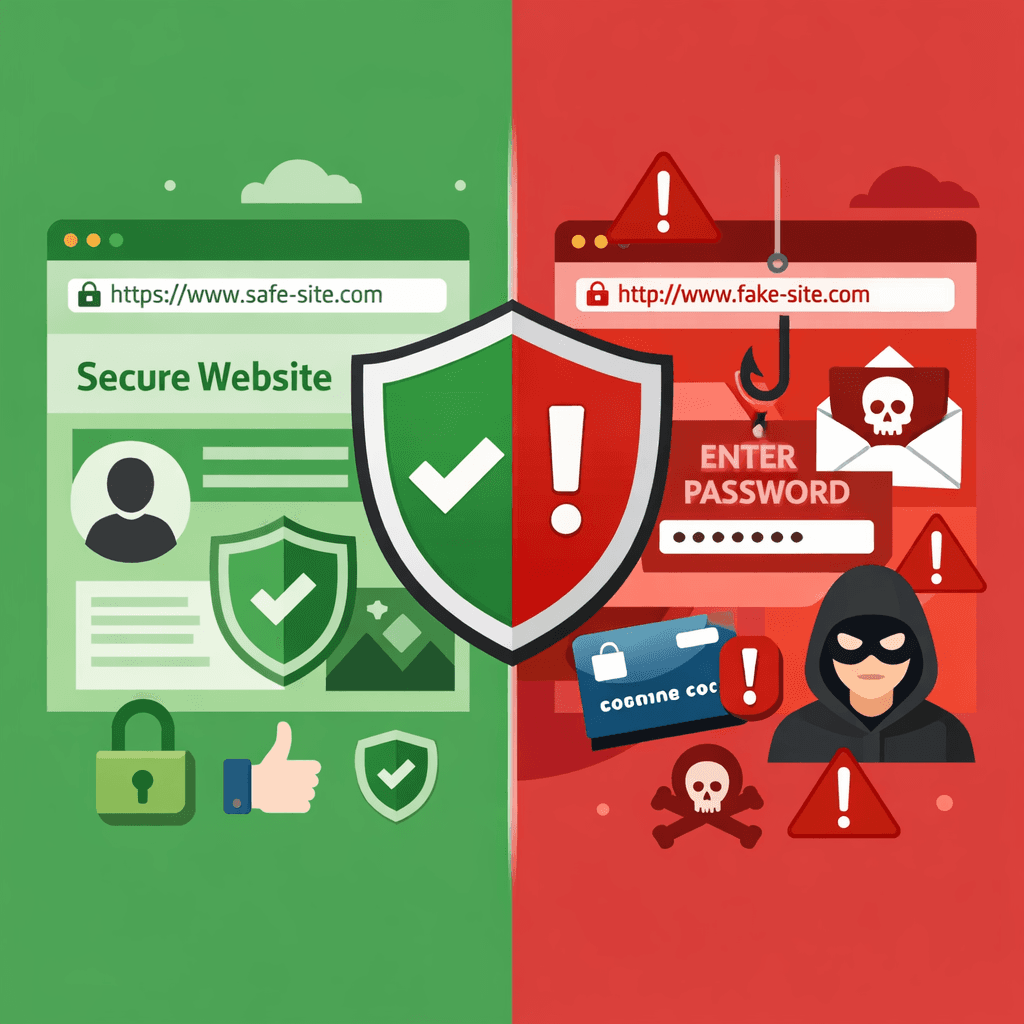
Phishing Explained: How to Check a Domain for Threats
What is phishing? Learn how to spot fake websites and check domains for threats before you enter your personal information.

Safe Browsing Guide: How to Check URLs for Hidden Threats
Don't click that link yet! Learn how to check URLs for hidden threats and ensure safe browsing on any device.
Subscribe to Our Newsletter
Weekly threat intelligence insights delivered to your inbox.