Identity Security in 2026: Passkeys, MFA, and Session Hijacking
Passwords are still everywhere, but phishing-resistant credentials and tight session controls are the real front line. Here is a practical identity roadmap.
 IsMalicious Team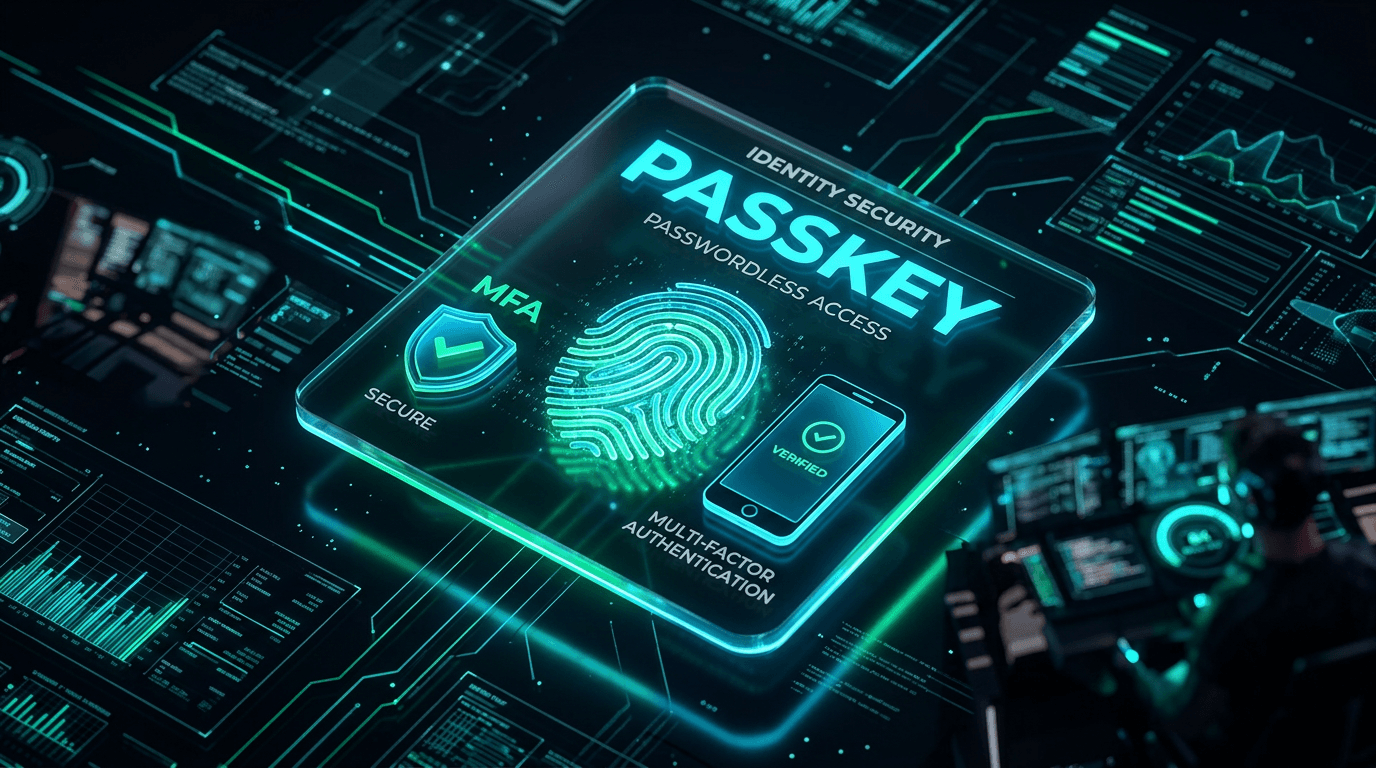
Identity is the perimeter. Attackers steal sessions, bypass legacy MFA, and abuse SSO trust. Building identity security in 2026 means combining phishing-resistant authentication with continuous checks on devices and sessions—not only a login prompt.
Passkeys and WebAuthn
Passkeys (built on FIDO2 / WebAuthn) bind credentials to devices and domains, which dramatically reduces phishing success compared to one-time codes sent to email or SMS. Prioritize passkeys for administrators, finance, and engineering roles first; expand org-wide as tooling matures.
MFA Is Not a Single Switch
Not all MFA is equal. SMS and voice remain weak against SIM swap and social engineering. Prefer app-based TOTP where passkeys are not yet viable, and move high-risk users to hardware-backed factors.
Session Security
Stolen refresh tokens and browser cookies bypass MFA at login time. Shorten session lifetimes, enforce re-authentication for sensitive actions, monitor for impossible travel, and instrument token theft detection where your IdP supports it.
Device Trust
Identity proof should consider device posture: patched OS, disk encryption, and compliance signals from MDM or EDR. A valid credential on an unmanaged device is a common path to breach.
Conclusion
Treat identity as a lifecycle: enroll with strong factors, bind sessions to risk, and revoke fast when signals change. Passkeys and modern session hygiene are how you keep accounts from becoming the attacker’s home base.
Related articles
 Non-Human Identity Security: API Keys, Service Accounts, and Workload Credentials in 2026
Non-human identities now outnumber users in most environments. Learn how API keys, service accounts, CI tokens, and workload credentials become attack paths and how to govern them.
 Cloud Control Plane Attacks: Why Identity Is the New Kill Chain
Cloud breaches increasingly target the control plane: identities, tokens, policies, APIs, and automation. Learn how attackers move from one credential to full cloud control.
 IAM Best Practices: Securing Identity and Access
Identity is the new perimeter. Discover specific best practices for Identity and Access Management (IAM) to prevent unauthorized access and privilege escalation.
Protect Your Infrastructure
Check any IP or domain against our threat intelligence database with indexed records.
Try the IP / Domain Checker