Threat Intelligence Blog
Research, insights, and updates from the isMalicious team. Page 5 of 10.

YellowKey and BitLocker Bypass: How Security Teams Should Re-Baseline Stolen-Device Risk
YellowKey made a quiet assumption loud again: encrypted endpoints still need vulnerability intelligence, asset context, and incident workflows. Here is how to respond when a last-resort control becomes a live risk.

AI-Enabled Device Code Phishing: How OAuth Tokens Became the New Credential Theft Target
Device code phishing turns a legitimate OAuth flow into a token theft path. Learn how AI-assisted lures, Entra ID abuse, and session token replay change phishing detection in 2026.
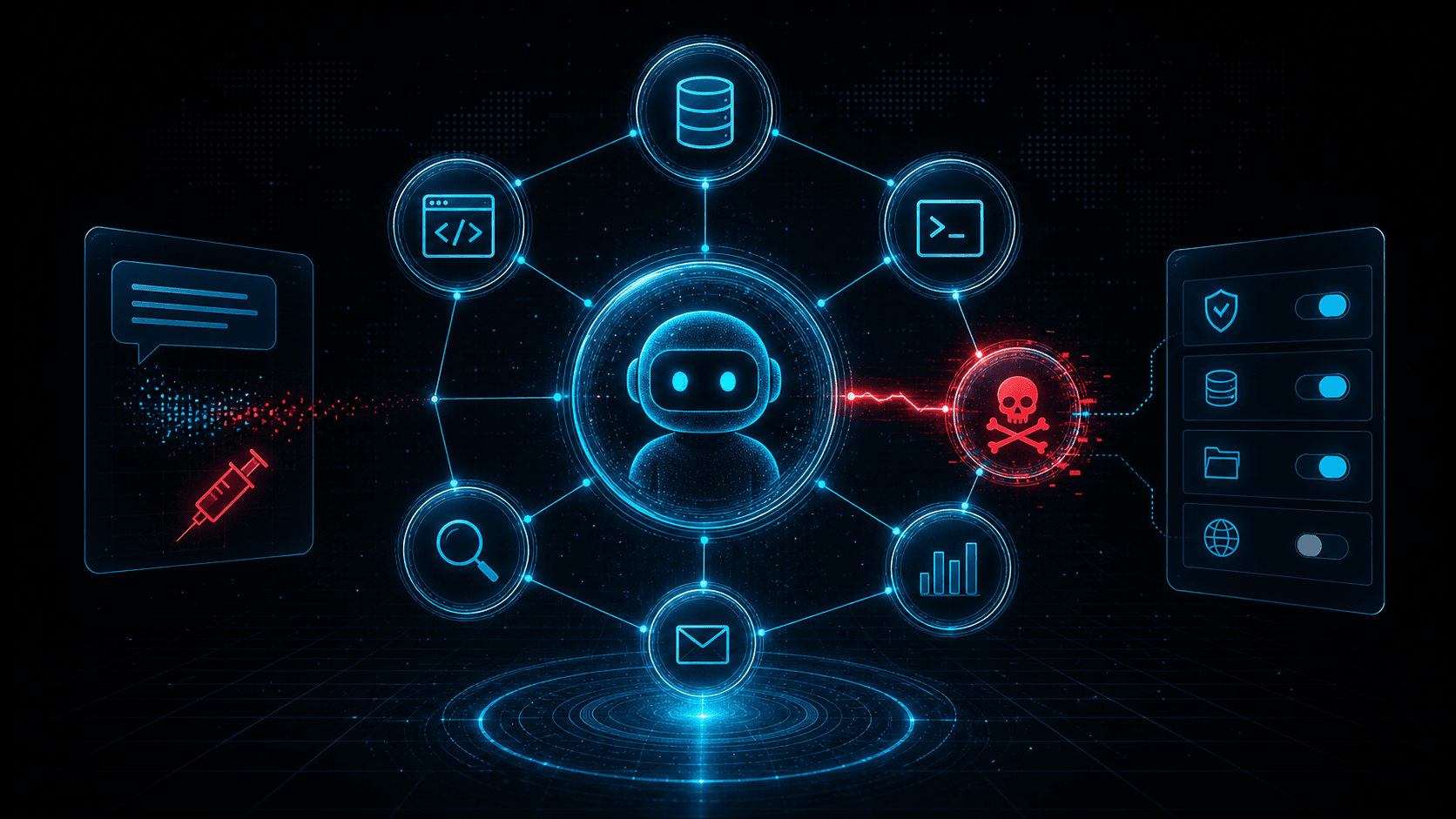
MCP Security Risks: Tool Poisoning, Prompt Injection, and the New AI Agent Attack Surface
Model Context Protocol integrations give agents access to tools, files, and services. That power creates new risks: tool poisoning, prompt injection, overbroad permissions, and untrusted server abuse.

LLMjacking Explained: How Attackers Abuse Cloud Credentials to Steal AI Compute
LLMjacking combines cloud credential theft with expensive AI workloads. Learn how attackers find exposed keys, abuse model APIs, hide compute costs, and how defenders can detect the pattern.

Non-Human Identity Security: API Keys, Service Accounts, and Workload Credentials in 2026
Non-human identities now outnumber users in most environments. Learn how API keys, service accounts, CI tokens, and workload credentials become attack paths and how to govern them.
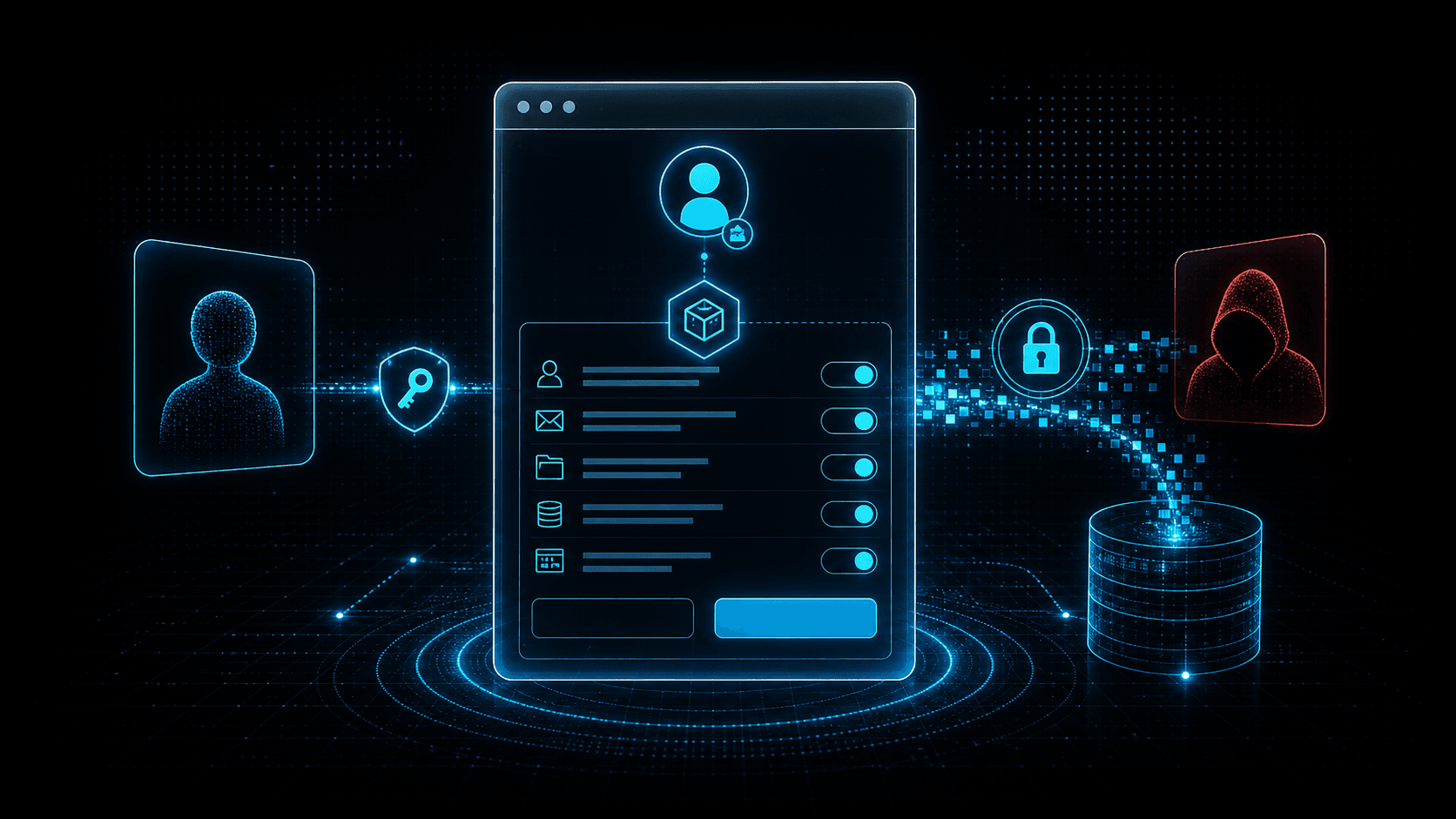
OAuth Consent Phishing: Detecting Malicious App Grants Before Data Exfiltration
OAuth consent phishing tricks users into granting access instead of giving up passwords. Learn how malicious app grants work, which permissions matter, and how to detect abuse early.

Session Token Theft: Why Infostealers Bypass MFA and How Defenders Respond
Infostealers increasingly target browser cookies, session tokens, and refresh tokens. Learn why MFA is not enough, what token theft looks like, and how to detect replay.
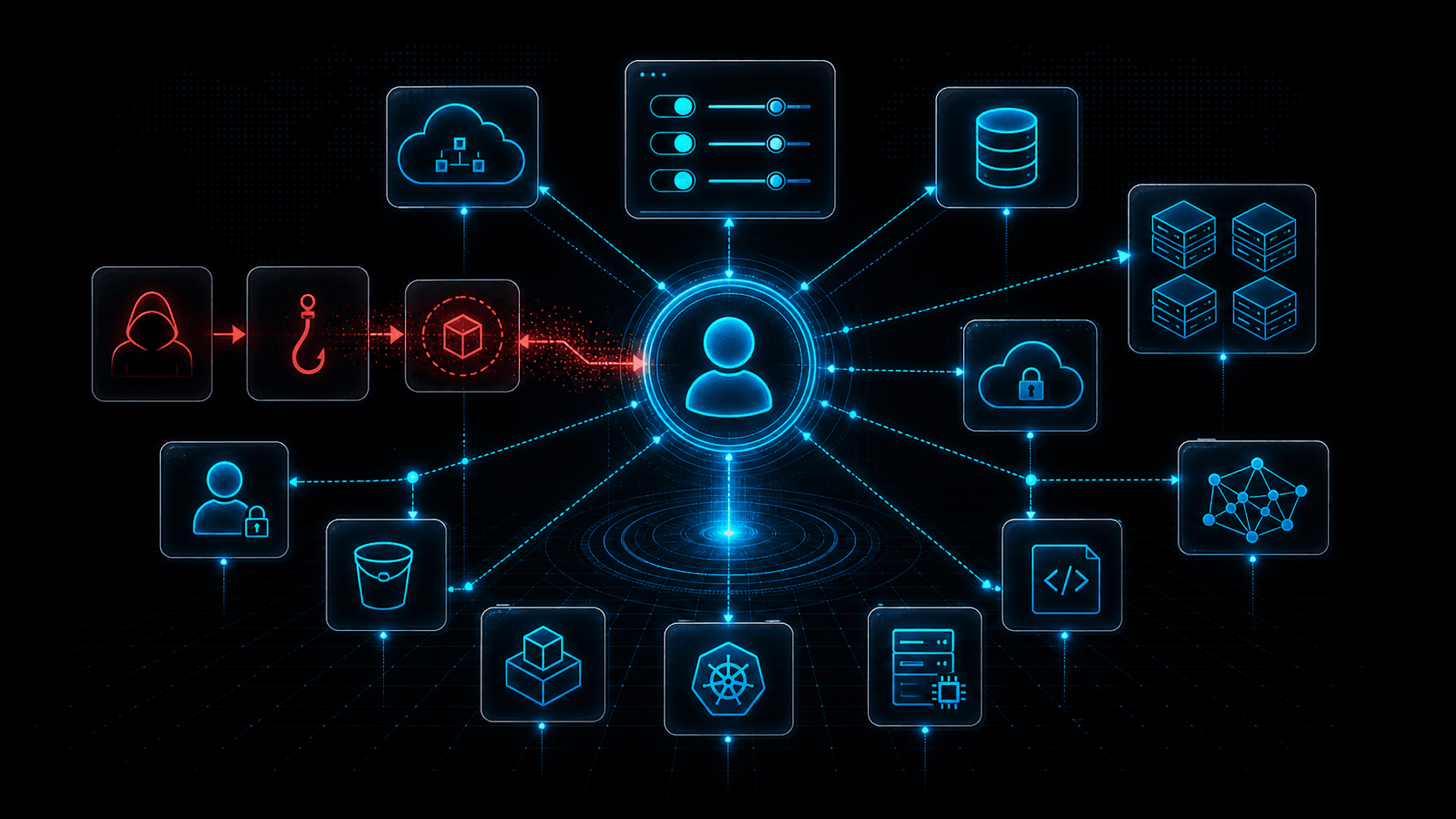
Cloud Control Plane Attacks: Why Identity Is the New Kill Chain
Cloud breaches increasingly target the control plane: identities, tokens, policies, APIs, and automation. Learn how attackers move from one credential to full cloud control.
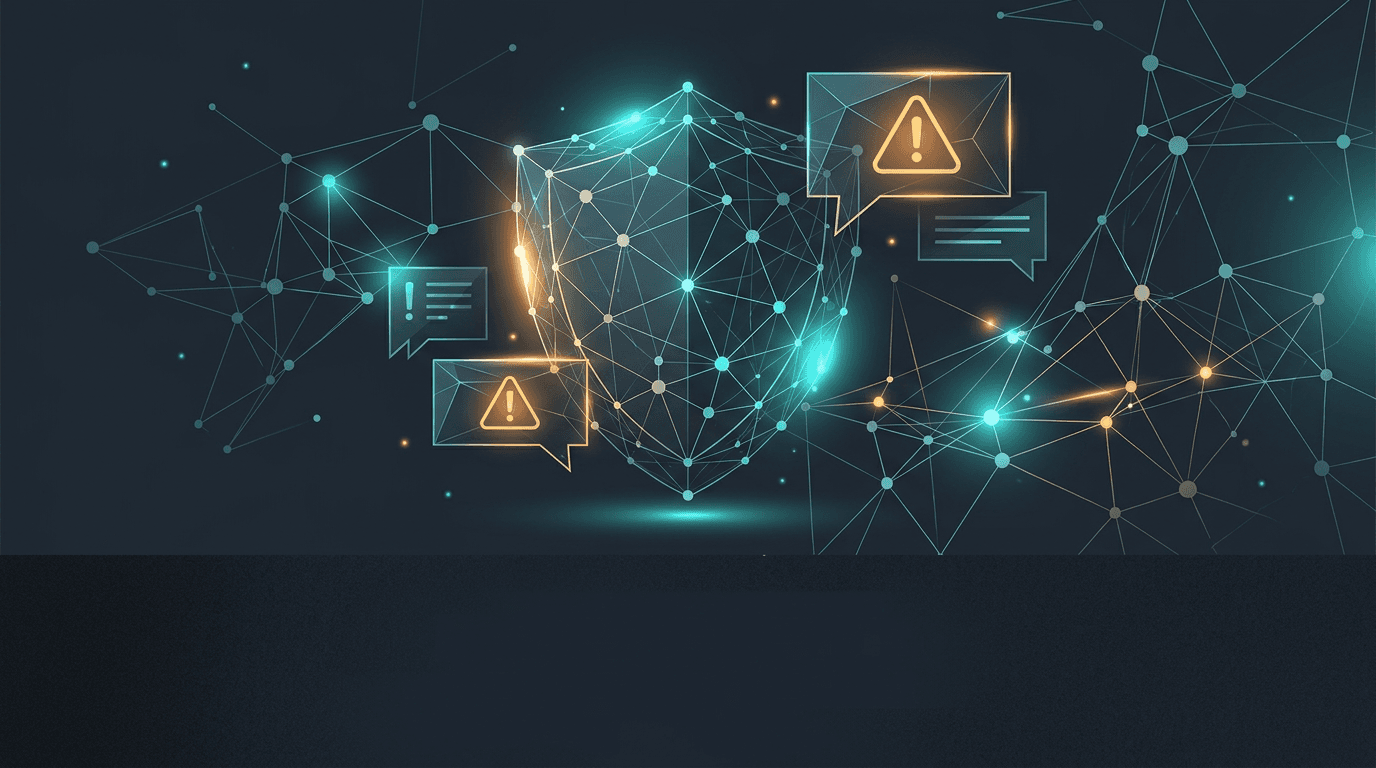
Security LLM and Agent Workflows: When (and How) to Check Malicious Domains, IPs, and URLs Before Acting
AI assistants in SOAR, IDEs, and browser extensions can exfiltrate data or run malicious code if they fetch the wrong link. This guide gives guardrails: schema for tool calls, policy tiers, and where threat intelligence checks belong in the loop.
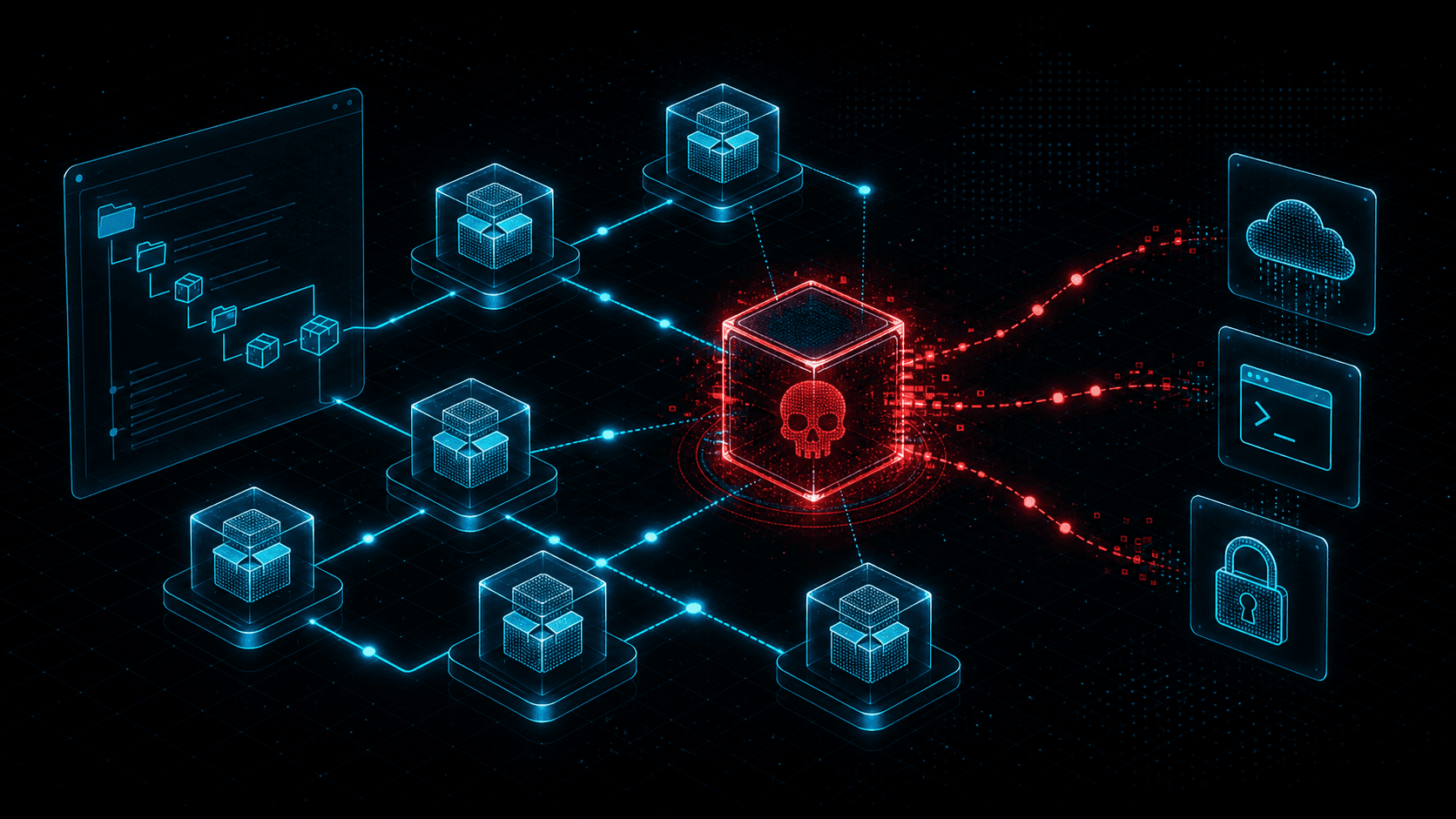
Malicious npm Packages: Detecting Open-Source Supply Chain Compromise
Malicious npm packages use typosquatting, dependency confusion, install scripts, and maintainer compromise to steal secrets and backdoor builds. Learn practical detection and response.
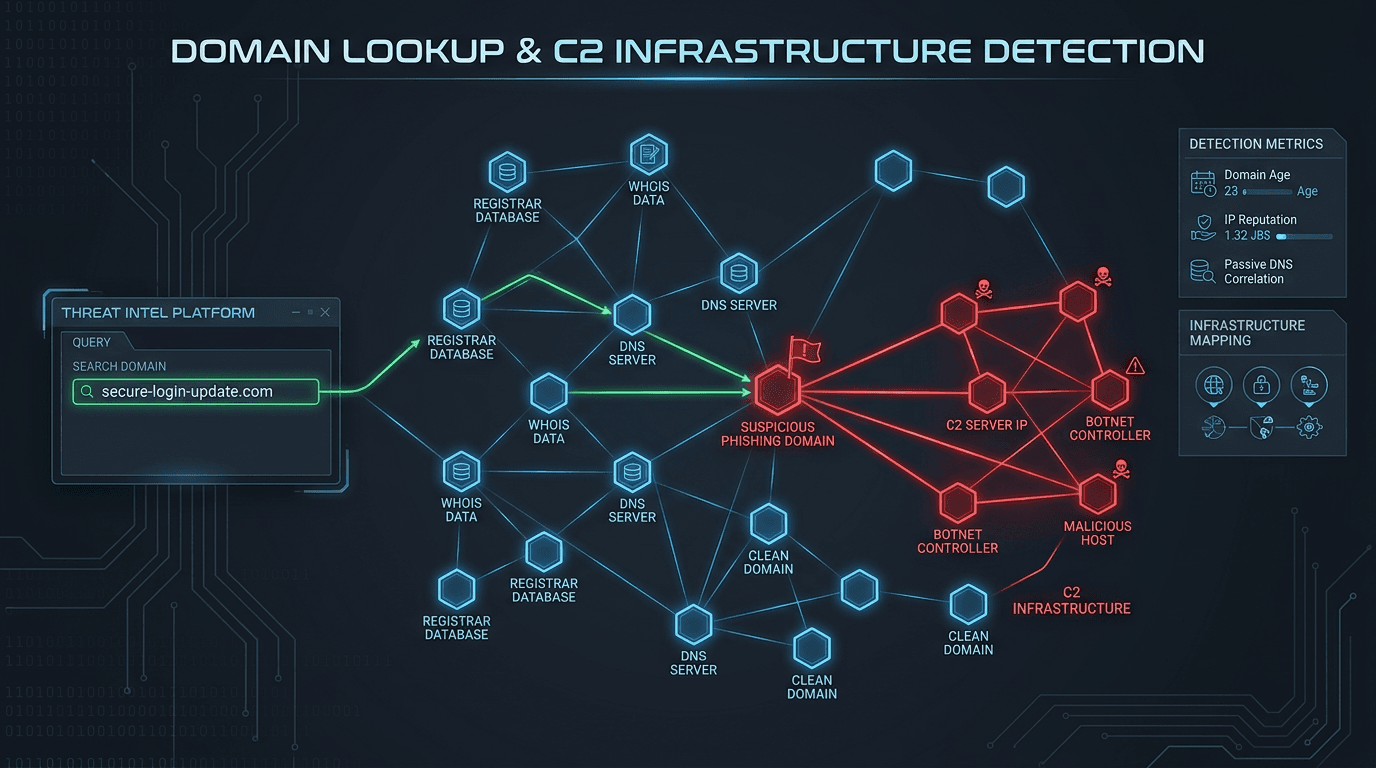
Malicious Infrastructure Clustering: How Passive DNS, TLS Certificates, and ASNs Reveal Shared Campaigns
A single C2 IP is a clue; shared signing patterns and DNS co-occurrence are a map. This guide explains how defenders cluster infrastructure without chasing ghosts—and how to document findings for IR, threat intel, and law enforcement handoffs.
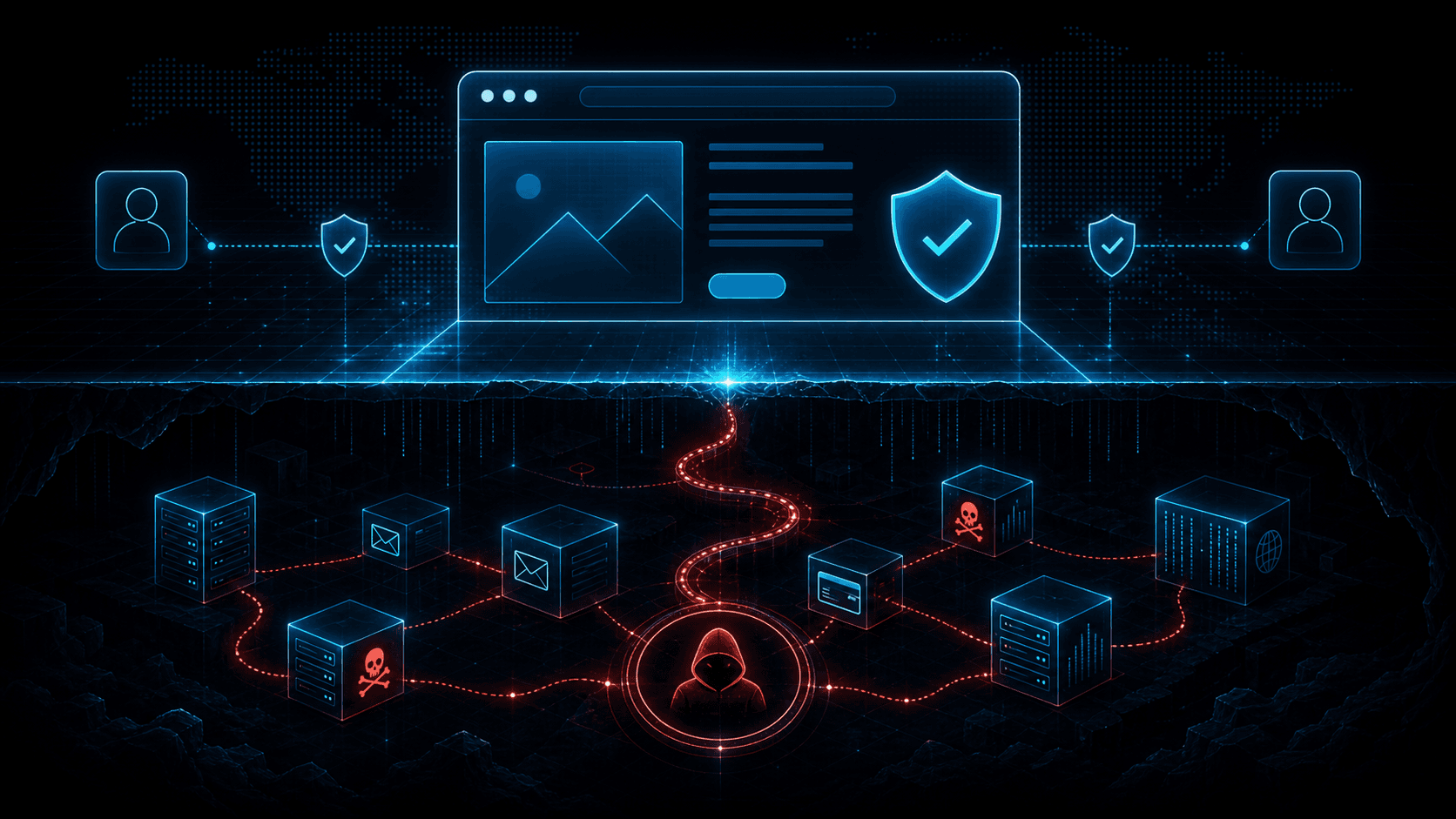
Compromised Domains in Phishing: When Trusted Sites Become Attack Infrastructure
Attackers increasingly host phishing pages, redirects, and malware on compromised legitimate domains. Learn why reputation bypass works and how to detect hidden malicious paths.

Brand Impersonation and Lookalike Domains: A Practical Monitoring Playbook for Security, Legal, and Fraud Teams
Typosquats and homoglyphs are cheap to register and expensive to ignore. Learn how to discover, prioritize, and remove lookalike infrastructure before it harvests credentials or poisons your customers’ trust in search and email.
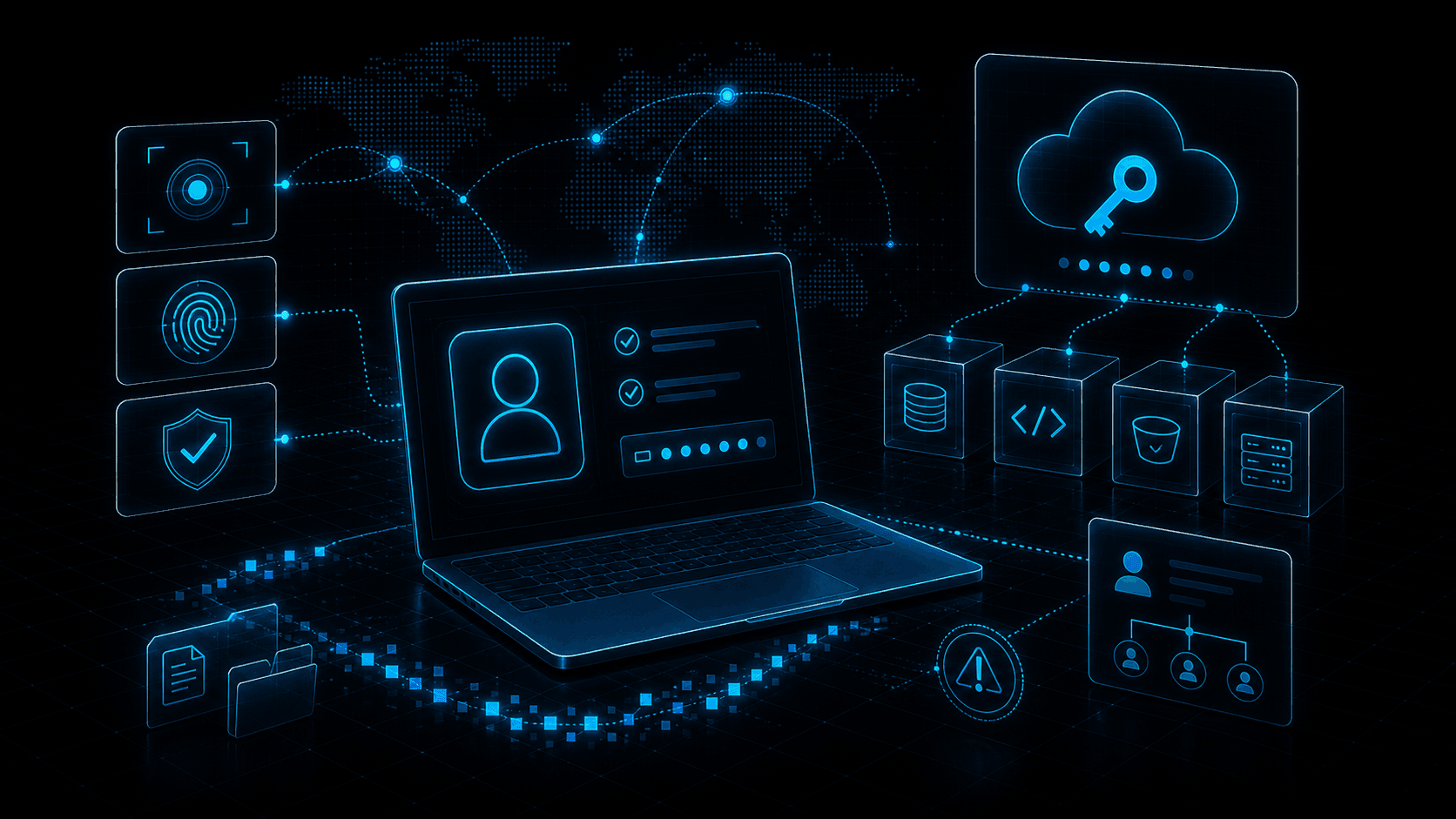
DPRK Remote IT Worker Threat: Identity, Insider Risk, and Cloud Access Abuse
DPRK remote IT worker schemes blend fraud, identity deception, and insider access. Learn how hiring, endpoint, SaaS, and cloud controls can reduce the risk.

SIEM and SOAR Threat Intelligence Enrichment: Workflows, Field Mapping, and the Metrics That Keep Teams Sane
A SOAR playbook without enrichment is a ticket printer. A SIEM with unbounded threat feeds is a bill. Here is a practical way to design enrichment for Splunk, Sentinel, or Elastic-style stacks—what to store, when to run playbooks, and what to report upward.
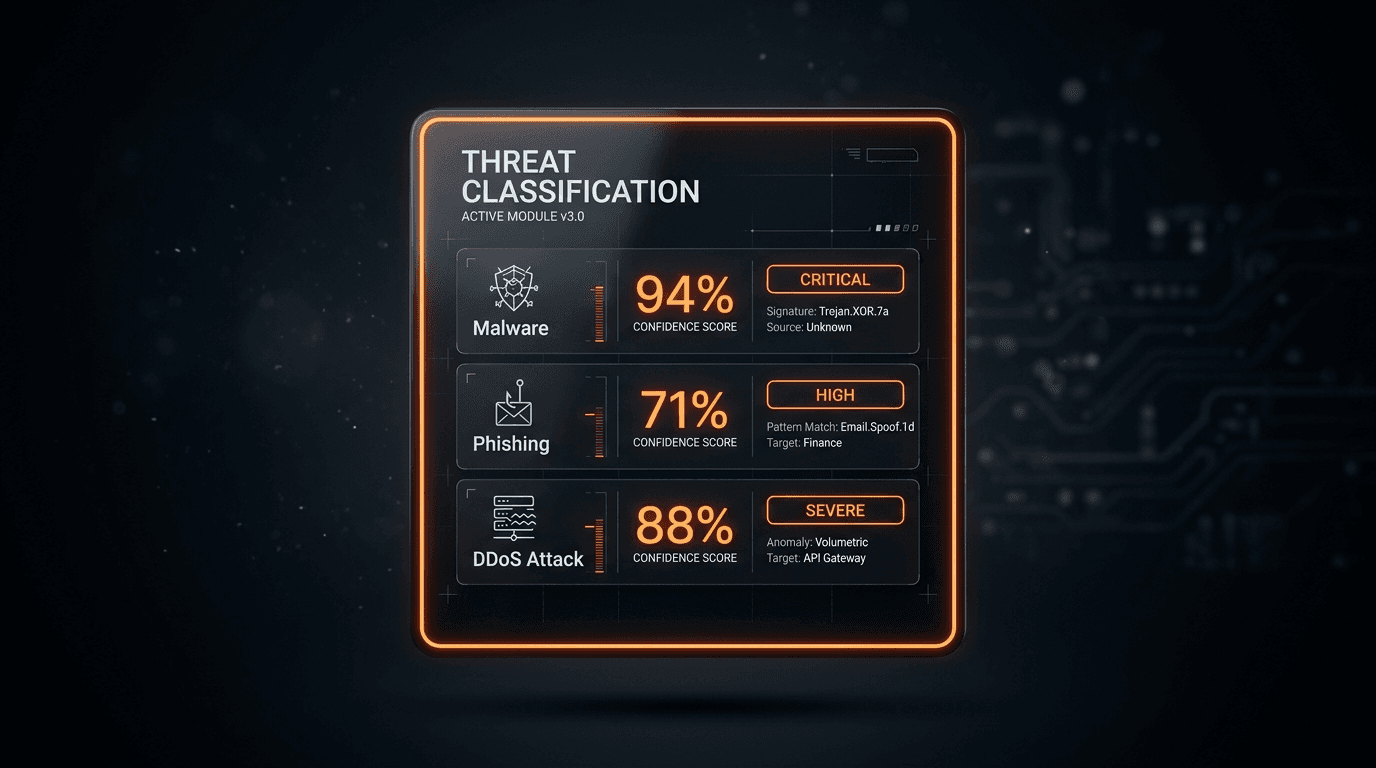
Threat Intelligence Risk Scoring: How to Calibrate Reputation, Reduce False Positives, and Defend Your Decisions
A noisy score is worse than no score. Learn what makes a reputation model trustworthy, how to combine multi-source evidence, and how to communicate uncertainty to your SOC and your executives.

Proxy, VPN, Tor, and Datacenter IPs: A Decision Matrix for WAF, Fraud, and SIEM Rules (Without Breaking Real Users)
Not every "datacenter" IP is malicious, and not every Tor exit is a fraudster. This matrix-style guide helps you combine IP type signals with reputation and product context for safer, explainable security decisions.
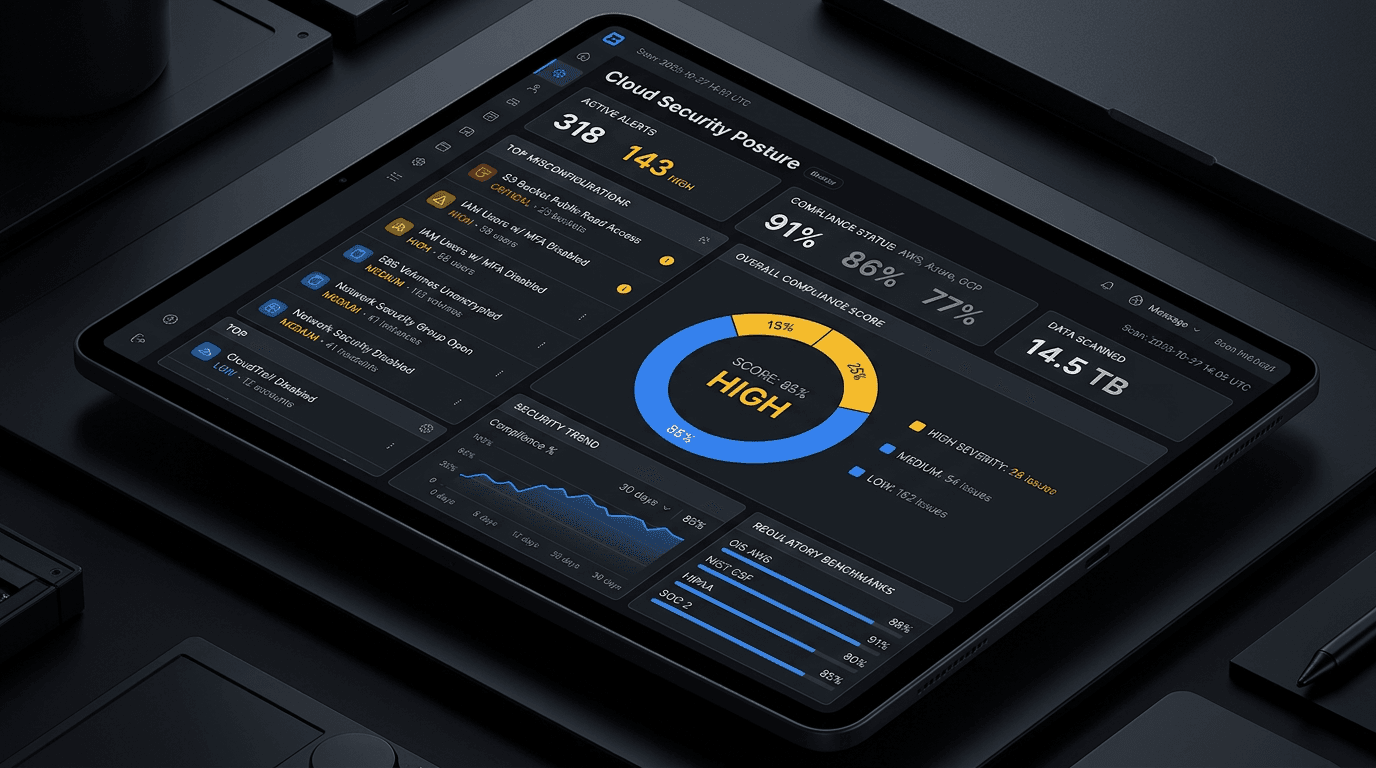
Cloud IP Reputation: What AWS, Azure, and GCP Defenders Should Track in 2026
Cloud IP addresses are shared, recycled, and abused at scale. Learn how to interpret reputation signals, reduce false positives, and align network security with platform-native controls across the three major hyperscalers.
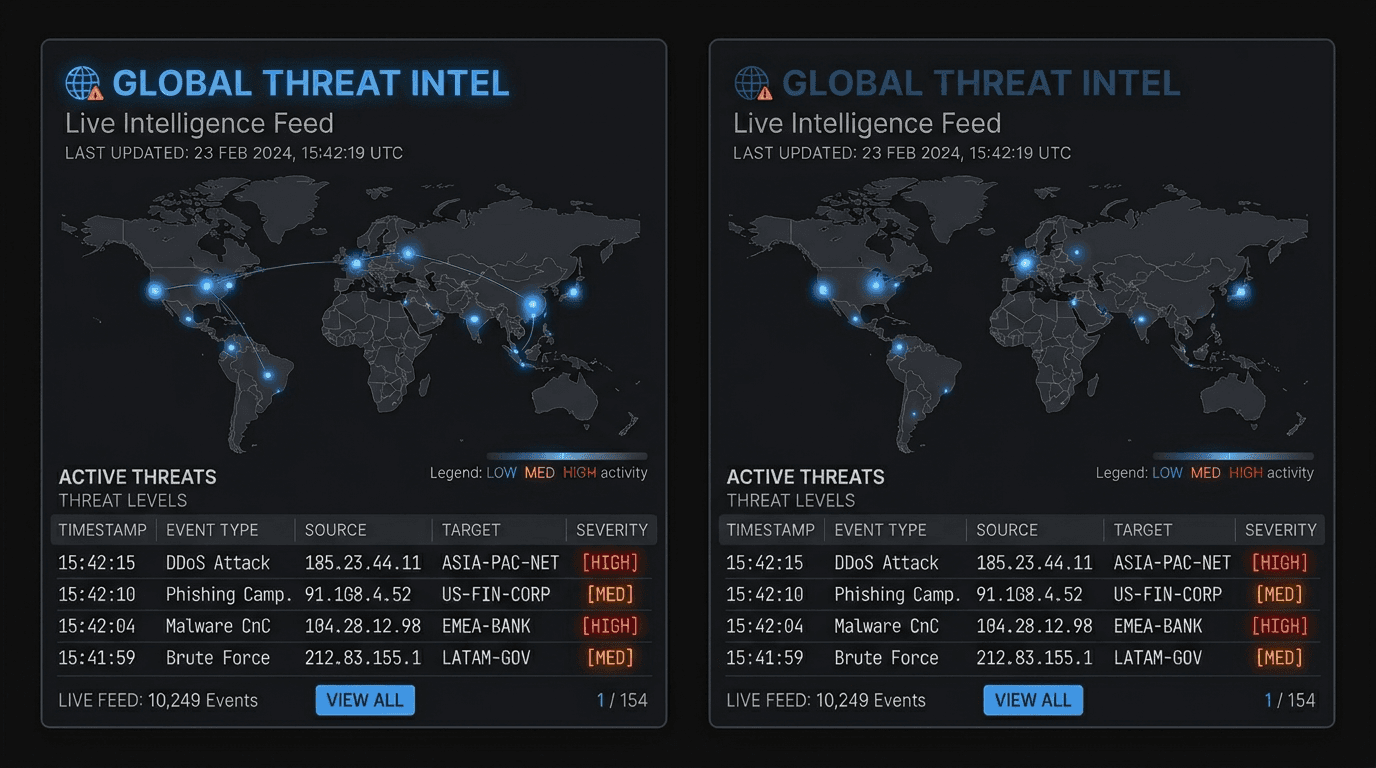
ASN Reputation for Threat Intelligence: How Autonomous System Intelligence Improves Prioritization and Hunt Programs
An IP address is a snapshot; an autonomous system (ASN) is a neighborhood. Learn how to use ASN context safely for triage, fraud, and security operations—without mistaking a giant cloud for a monolithic "bad host".
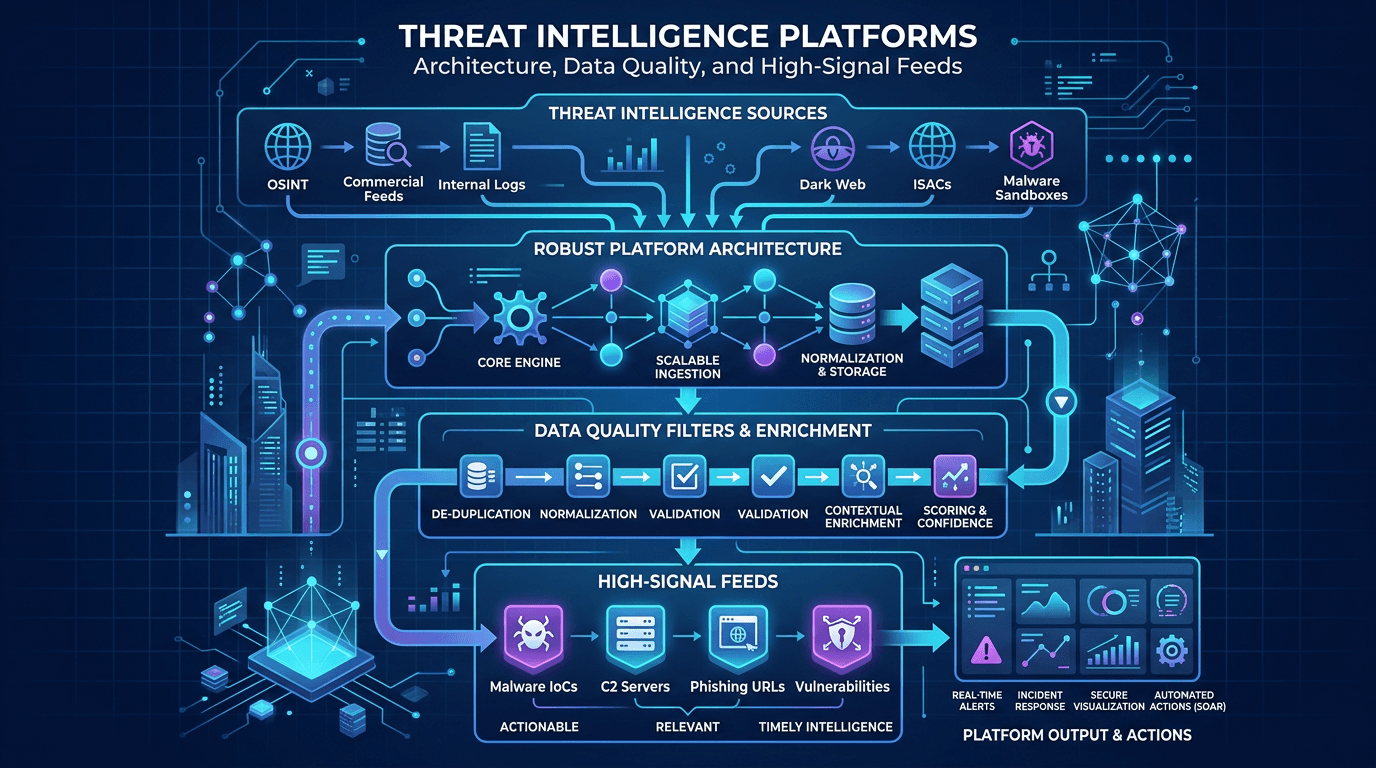
Threat Intelligence Platforms: Architecture, Data Quality, and High-Signal Feeds
Design TIPs and intel pipelines that scale: normalization, confidence scoring, deduplication, API-first delivery, and how to pair platform investments with analyst workflows.
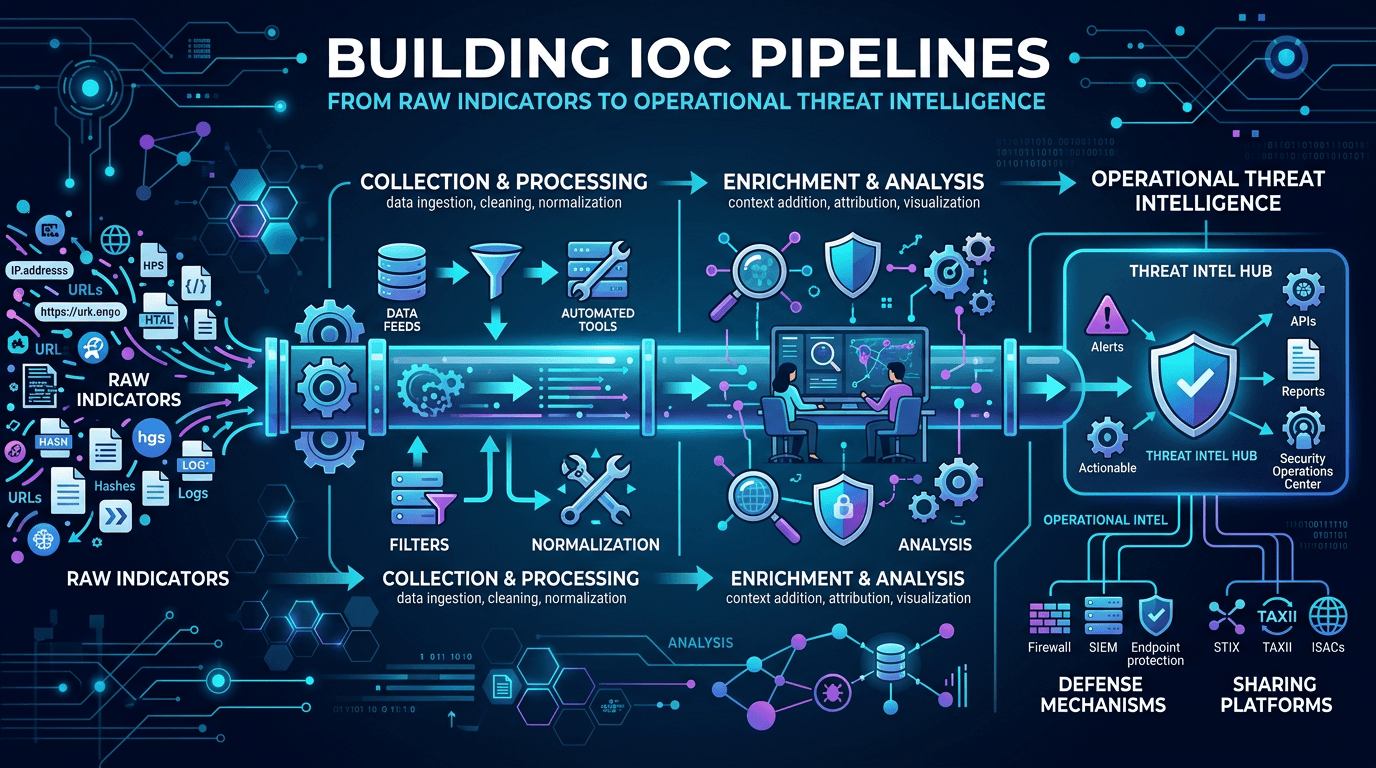
Building IOC Pipelines: From Raw Indicators to Operational Threat Intelligence in 2026
A practical engineering guide to building indicator of compromise (IOC) pipelines—ingestion, normalization, deduplication, enrichment, scoring, distribution, and feedback—to turn raw threat feeds into operational defense.
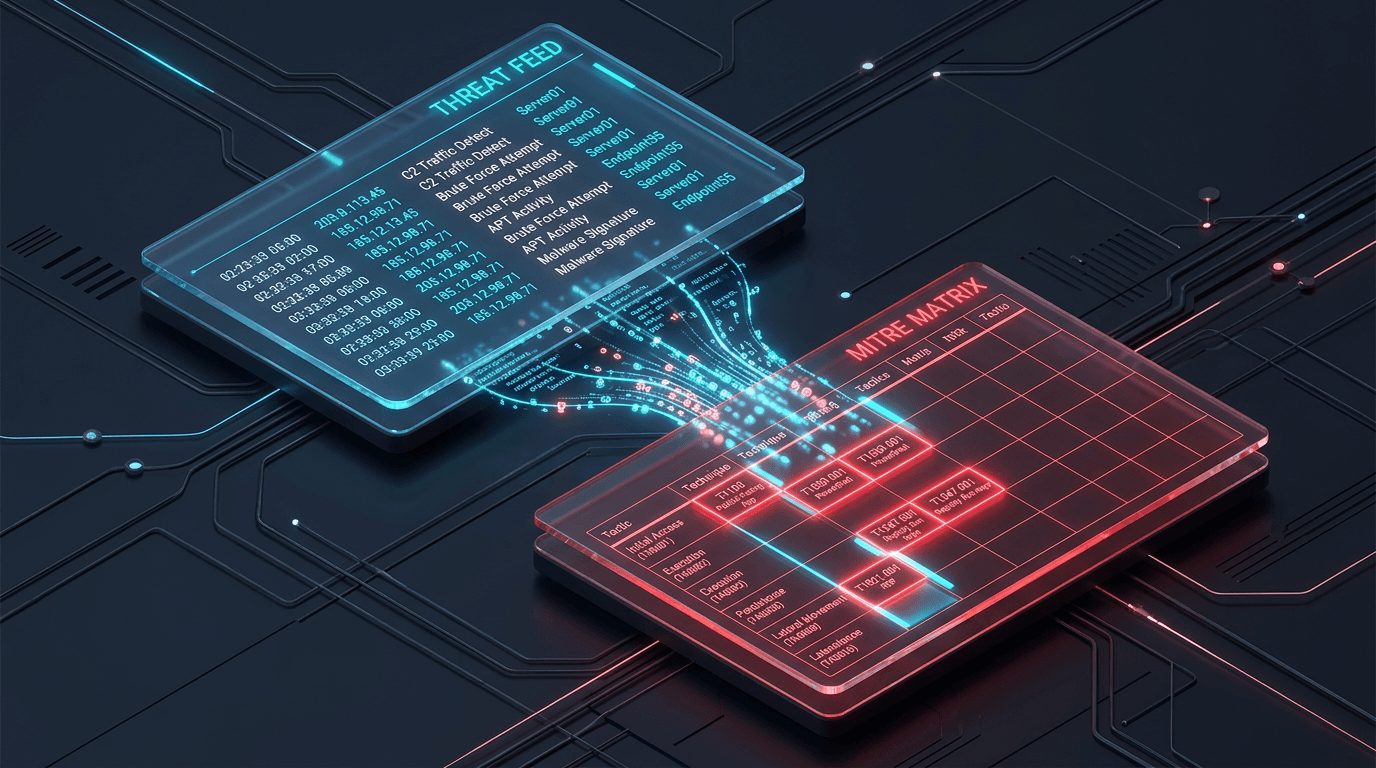
IOC Enrichment APIs: A Security Operations Guide to Faster Triage, Fewer False Positives, and Measurable ROI
An indicator without context is a ticket without an owner. Learn how IOC enrichment APIs work, which fields SOC teams need at each tier, and how to wire them into case management without building a data swamp.
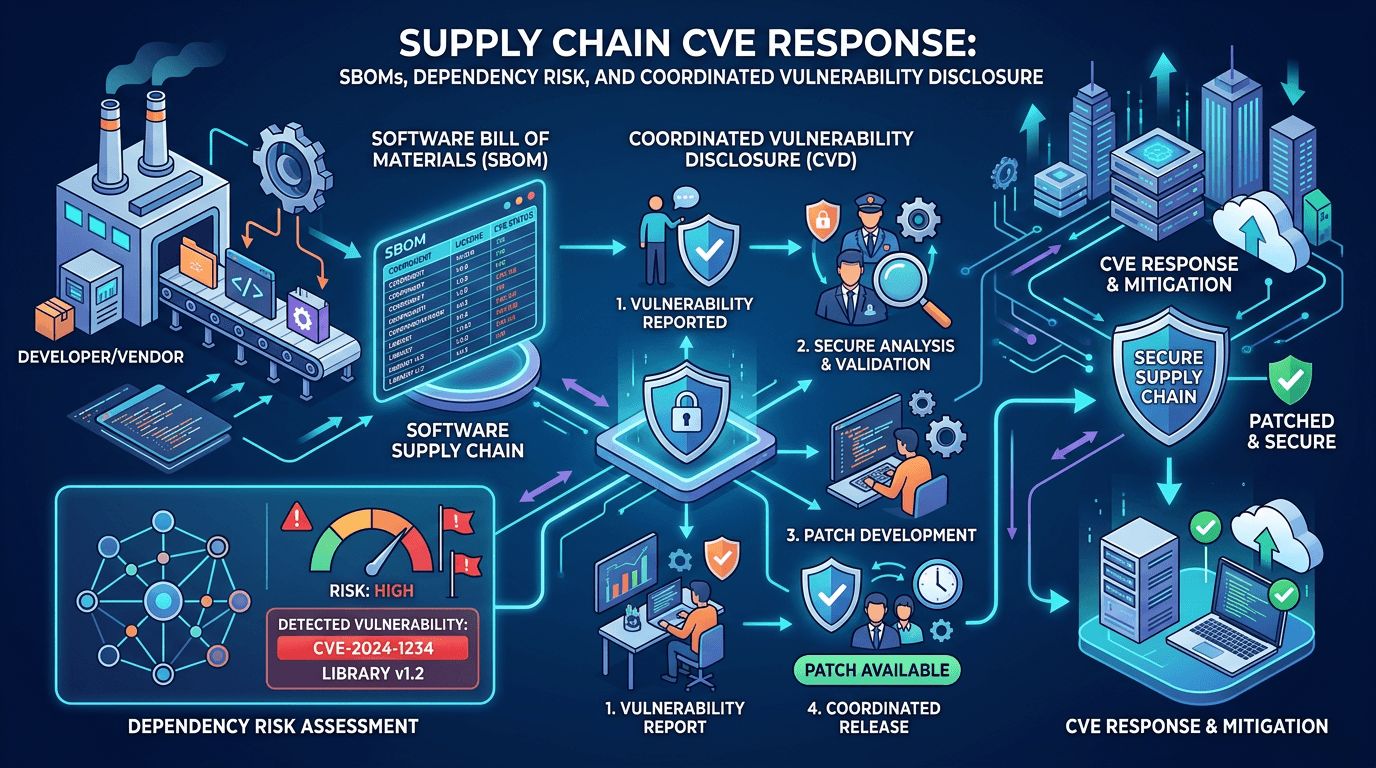
Supply Chain CVE Response: SBOMs, Dependency Risk, and Coordinated Vulnerability Disclosure
Build a modern supply-chain security program: generate SBOMs, map CVEs to components, integrate EPSS and KEV, and coordinate fixes across vendors and open-source maintainers.
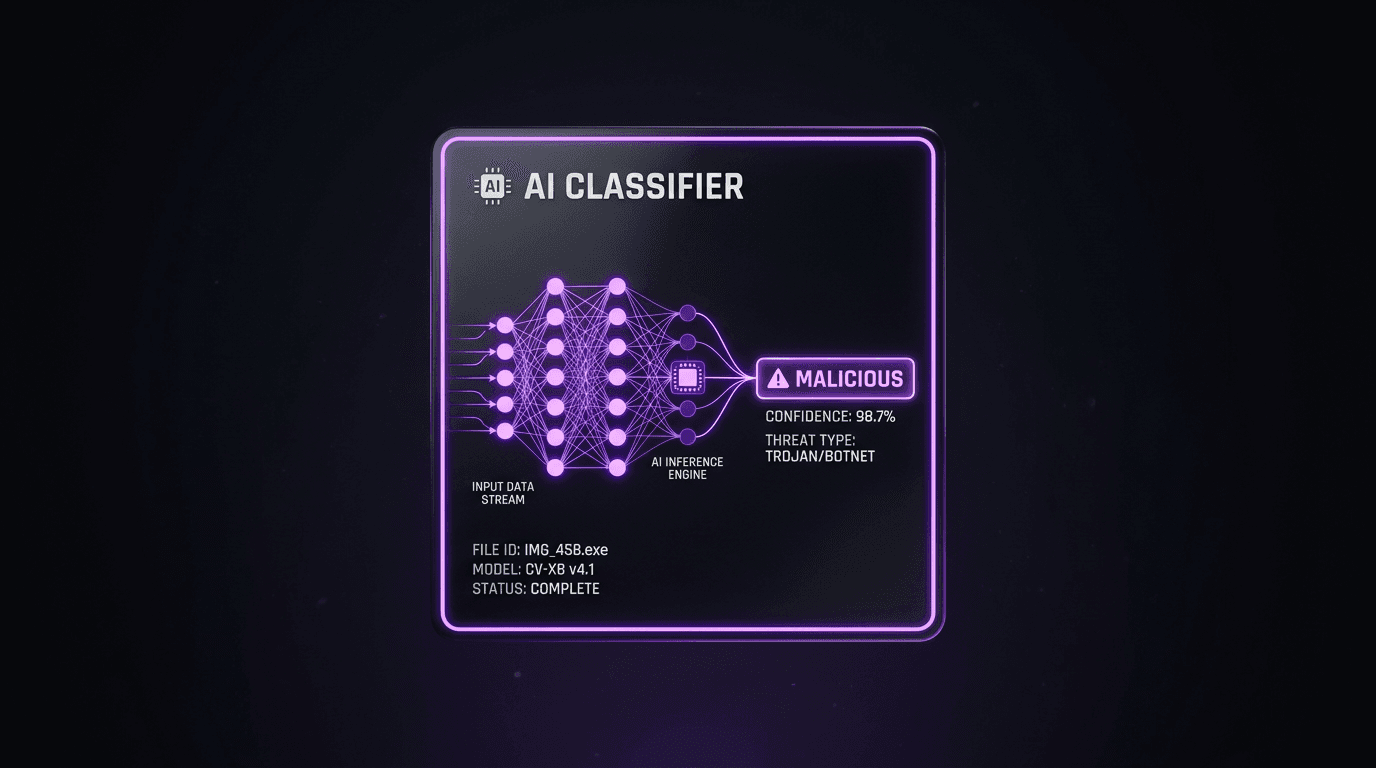
Answer-Engine Optimization for Cybersecurity: How to Get Cited by ChatGPT, Perplexity, and Claude in 2026
Traditional SEO is not enough when users ask large language models for vendor comparisons and step-by-step security guidance. Learn how to structure threat intelligence and security content so AI systems can parse, trust, and cite your brand without hype or ambiguity.
Subscribe to Our Newsletter
Weekly threat intelligence insights delivered to your inbox.