Understanding Threat Classification: A Guide for Modern SOCs
Effective threat classification is the cornerstone of a modern SOC. Learn how to categorize threats to reduce steps in incident response and reduce alert fatigue.
 IsMalicious Team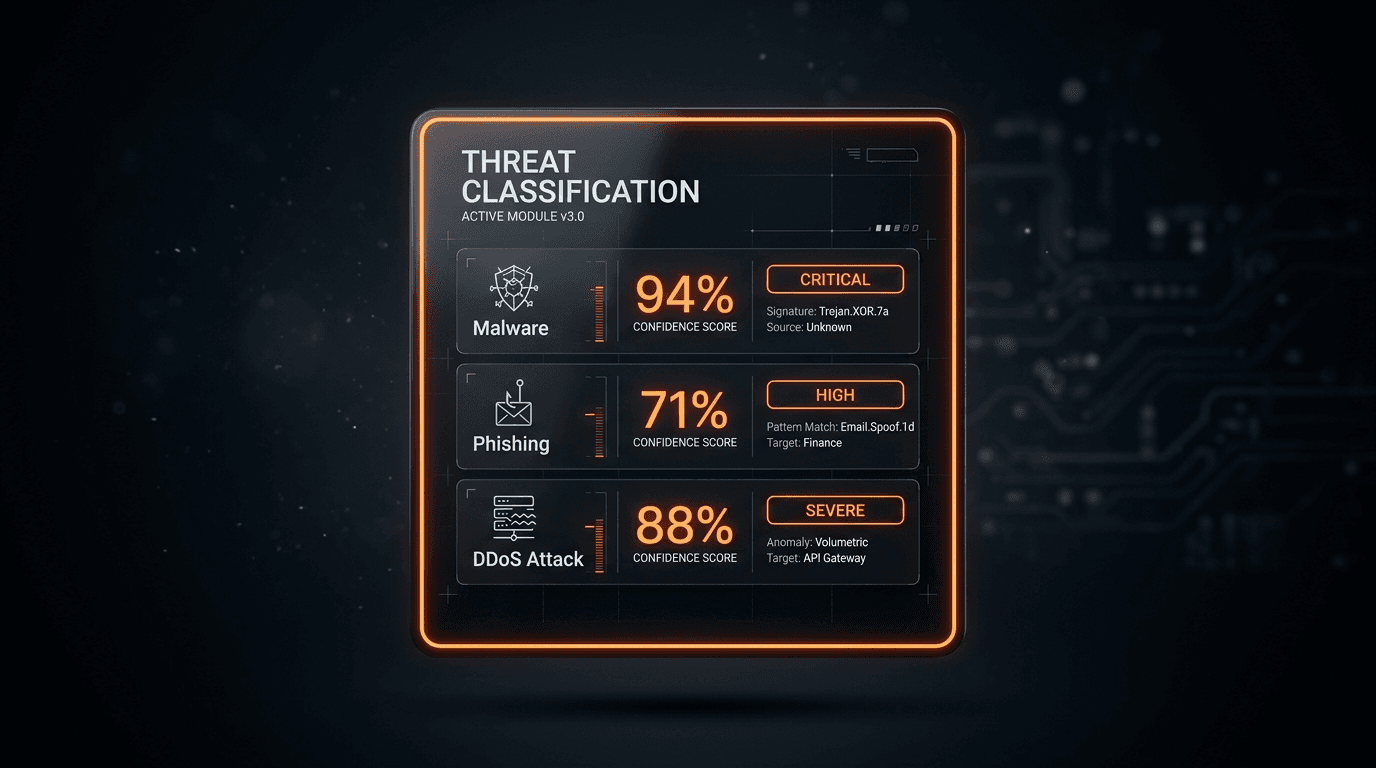
In the chaotic environment of a Security Operations Center (SOC), the ability to quickly identify and categorize threats is paramount. Threat classification is not just about labeling; it's about understanding the nature, severity, and potential impact of an incident to prioritize response efforts effectively.
The Importance of Classification
Without a documented classification system, analysts are often overwhelmed by a flood of alerts. Is that traffic spike a DDoS attack, or just a viral marketing campaign? Is that suspicious email a generic phishing attempt, or a targeted spear-phishing operation?
Proper classification allows for:
- Prioritized Response: Critical threats get immediate attention.
- Automated Playbooks: Specific threat types trigger pre-defined remediation steps.
- Better Reporting: Metrics on threat types help justify security investments.
Key Threat Categories
While taxonomies vary, most modern frameworks include these core categories:
1. Malware
Malicious software designed to disrupt, damage, or gain unauthorized access.
- Ransomware: Encrypts data for extortion.
- Trojans: Disguises as legitimate software.
- Spyware: Steals sensitive information.
2. Network Attacks
Attempts to exploit network vulnerabilities or overwhelm resources.
- DDoS (Distributed Denial of Service): Flooding a target with traffic.
- Man-in-the-Middle (MitM): Intercepting communications.
- SQL Injection: Exploiting database vulnerabilities.
3. Social Engineering
Manipulating individuals into divulging confidential information.
- Phishing: Deceptive emails.
- Pretexting: Creating a fabricated scenario.
Implementing a Classification Framework
To implement effective threat classification, organizations should adopt industry standards like the MITRE ATT&CK framework or the Cyber Kill Chain. These frameworks provide a common language for describing threat behaviors and help in mapping defenses against specific tactics and techniques.
Conclusion
Threat classification is a continuous process. As attackers evolve, so must our definitions and detection logic. By maintaining a dynamic and structured classification system, SOCs can turn chaos into order and respond to threats with precision.
Related articles
 STIX/TAXII Threat Feeds: Operational Guide for OpenCTI, MISP, and SIEM Pipelines
How to wire STIX 2.1 and TAXII 2.1 collections into OpenCTI, MISP, or your SIEM — what to poll, how to handle confidence and aging indicators, and where enrichment APIs fit alongside feed ingestion.
 ASN Reputation for Threat Intelligence: How Autonomous System Intelligence Improves Prioritization and Hunt Programs
An IP address is a snapshot; an autonomous system (ASN) is a neighborhood. Learn how to use ASN context safely for triage, fraud, and security operations—without mistaking a giant cloud for a monolithic "bad host".
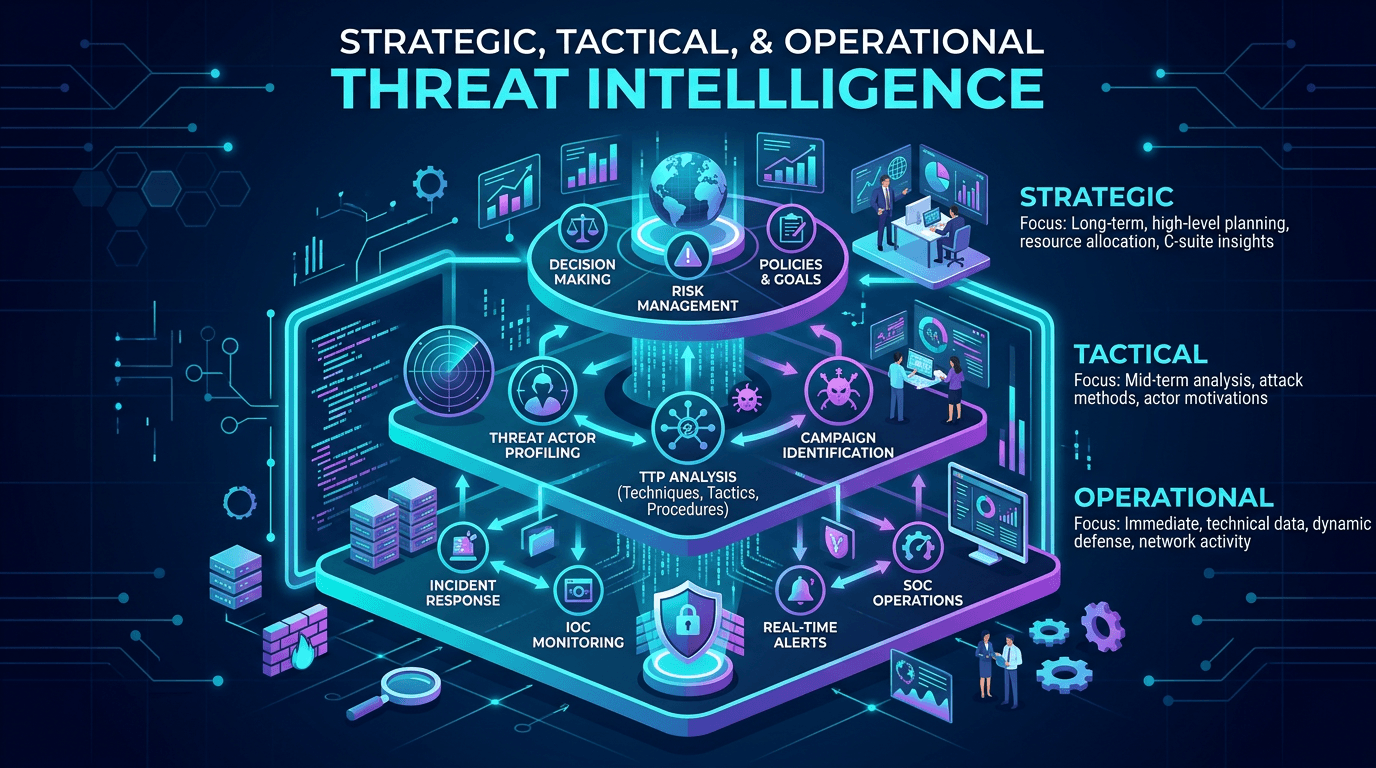 Strategic, Tactical, and Operational Threat Intelligence: Frameworks for Modern Security Programs
Align CTI outputs with audience needs: executive risk narratives, SOC-ready IOCs, and MITRE-mapped TTPs—plus governance models that keep intelligence timely and measurable.
Check any IP or domain
See what our indexed threat intelligence records say about it.
Try the IP / Domain Checker