CSPM vs. CWPP: Decoding Cloud Security Acronyms
Cloud security is full of acronyms. We break down the difference between CSPM and CWPP and why you likely need both.
 IsMalicious Team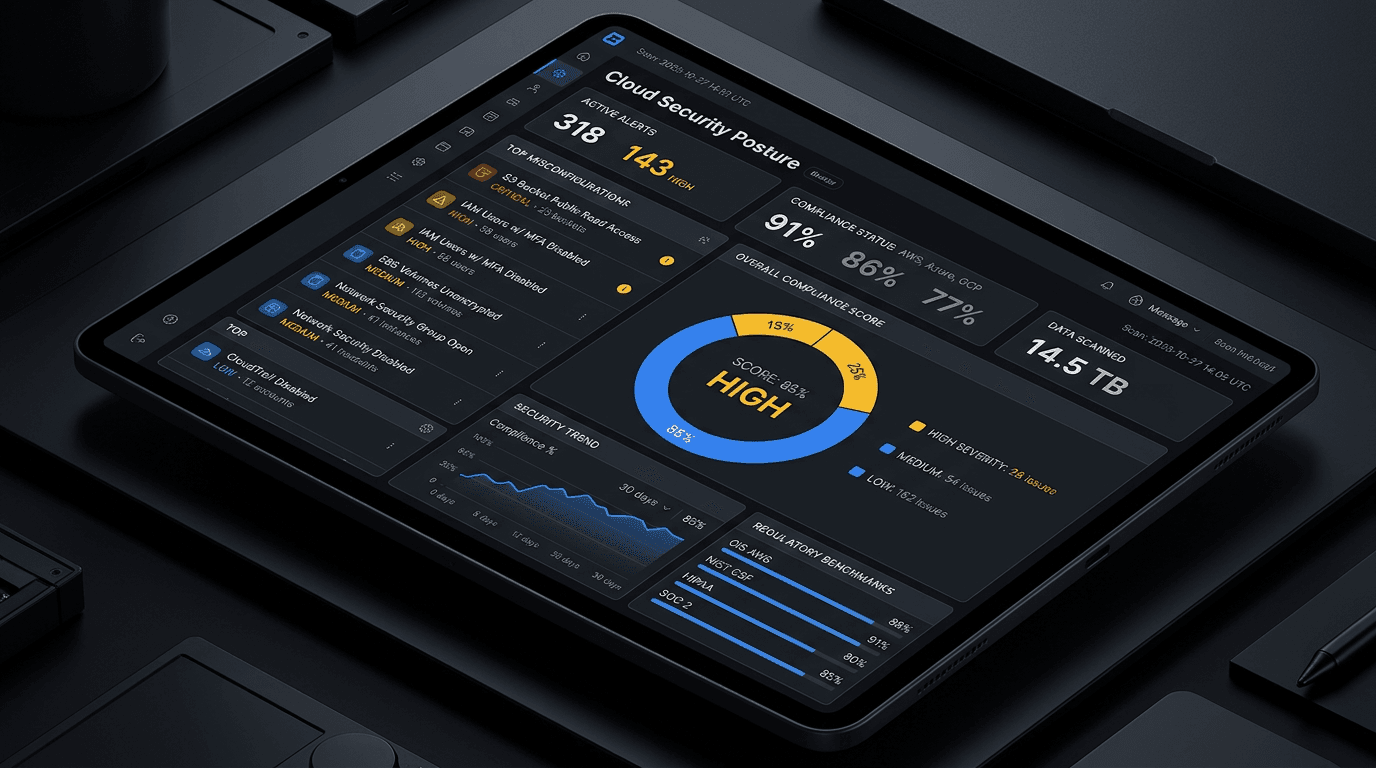
Navigating the cloud security market can feel like swimming in a sea of acronyms. Two of the most critical are CSPM (Cloud Security Posture Management) and CWPP (Cloud Workload Protection Platform). While they sound similar, they solve different problems.
CSPM: The Control Plane
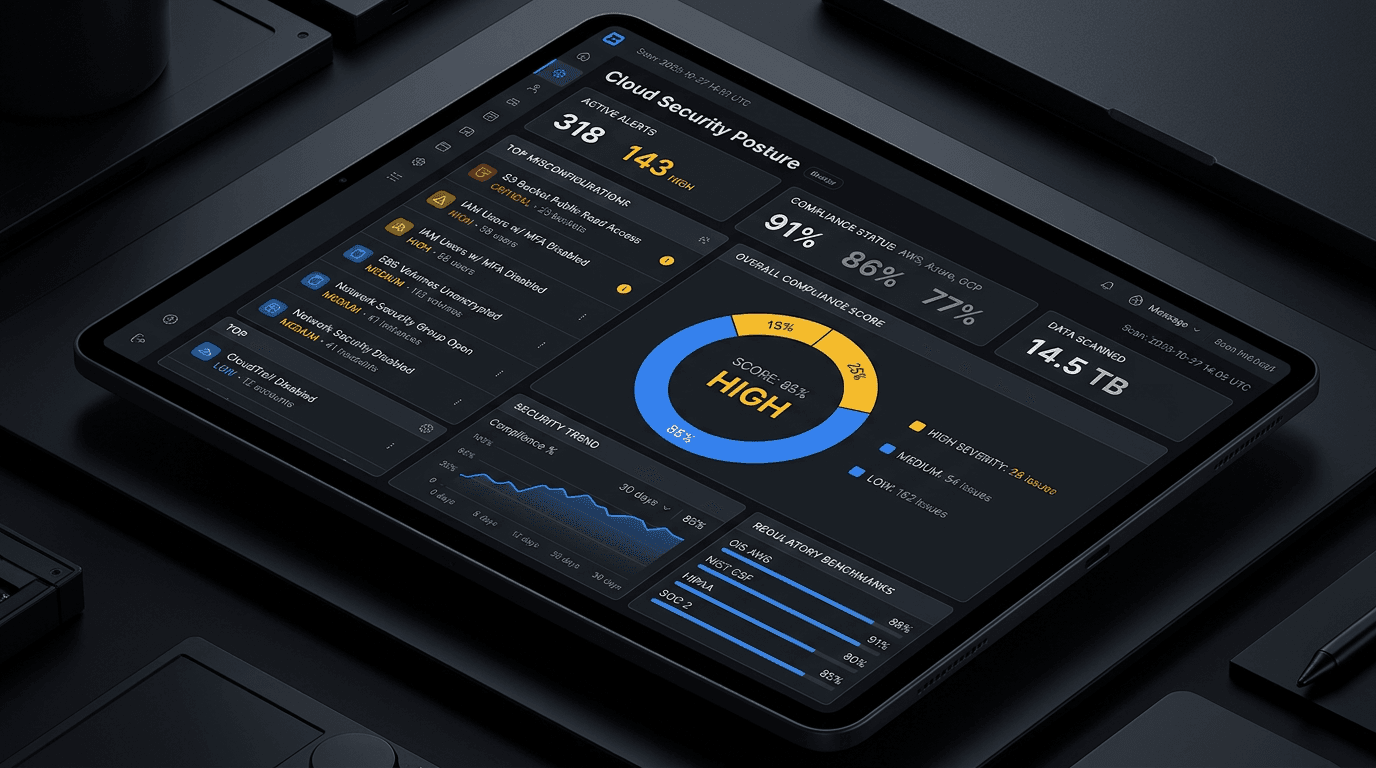
Cloud Security Posture Management focuses on the configuration of your cloud infrastructure. It answers the question: "Is my cloud environment set up securely?"
- Key Functions:
- Detecting misconfigurations (e.g., open S3 buckets).
- Monitoring compliance (e.g., CIS Benchmarks, HIPAA).
- Visualizing cloud asset inventory.
- Analogy: CSPM is like checking that all the doors and windows of your house are locked and the alarm is set.
CWPP: The Data Plane
Cloud Workload Protection Platform focuses on the workloads running inside your cloud environment—virtual machines, containers, and serverless functions. It answers the question: "Are my applications secure from runtime threats?"
- Key Functions:
- Runtime threat detection.
- Vulnerability scanning of running containers.
- System integrity monitoring.
- Micro-segmentation.
- Analogy: CWPP is like having a security guard inside the house to stop an intruder who managed to break in.
CNAPP: The Convergence
Recently, the industry has moved towards CNAPP (Cloud Native Application Protection Platform), which combines CSPM and CWPP into a single solution. This provides a holistic view of cloud risk, correlating misconfigurations with runtime threats.
Conclusion
You likely need both. A correctly configured cloud (CSPM) can still host a vulnerable application (CWPP). Conversely, a secure application running on an open bucket still exposes data. Together, the tools cover configuration and workload risks.
Related articles
 Cloud IP Reputation: What AWS, Azure, and GCP Defenders Should Track in 2026
Cloud IP addresses are shared, recycled, and abused at scale. Learn how to interpret reputation signals, reduce false positives, and align network security with platform-native controls across the three major hyperscalers.
 Container and Kubernetes Security: Protecting Cloud-Native Applications
Container environments introduce unique security challenges. Learn how to secure Docker containers, Kubernetes clusters, and cloud-native applications from emerging threats and misconfigurations.
 Cloud Security Threats: Protecting Multi-Cloud Infrastructure
Cloud environments face unique security challenges from misconfigurations to cryptomining attacks. Learn how to monitor cloud assets, detect threats, and protect your multi-cloud infrastructure with threat intelligence.
Check any IP or domain
See what our indexed threat intelligence records say about it.
Try the IP / Domain Checker