Threat Intelligence Blog
Research, insights, and updates from the isMalicious team. Page 2 of 3.
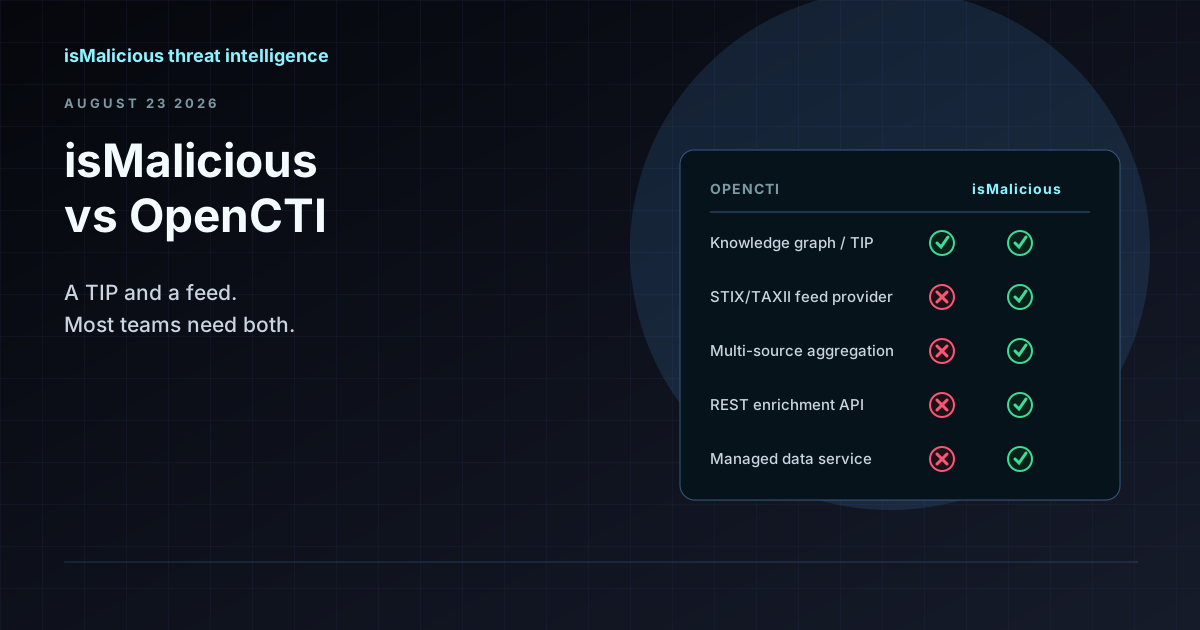

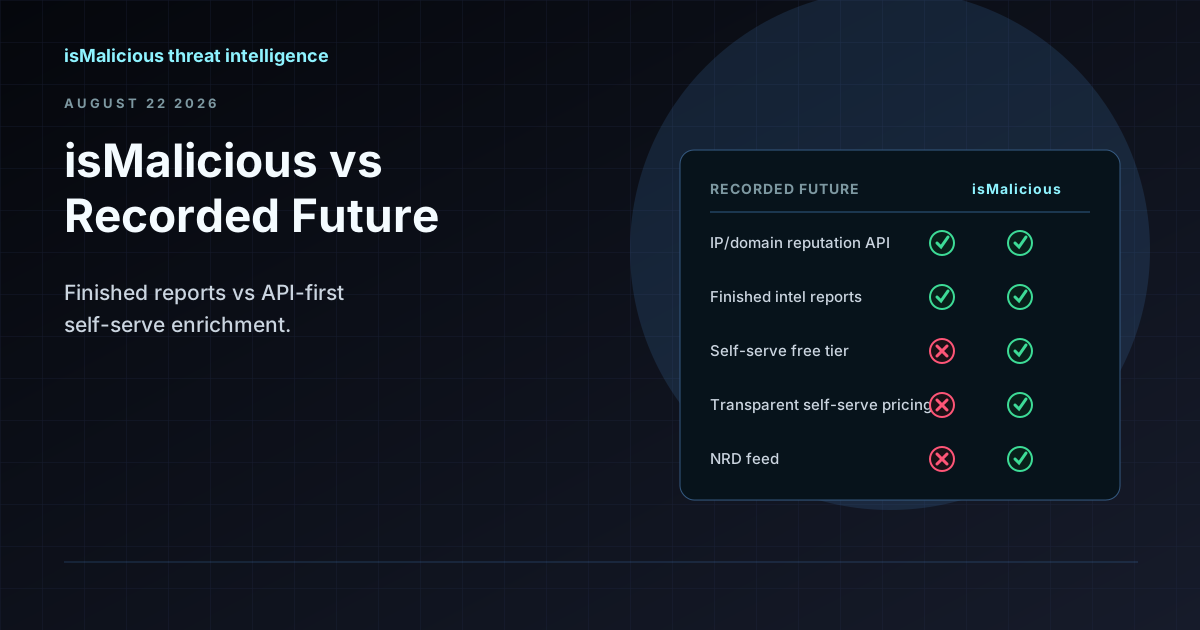
isMalicious vs Recorded Future: When a Threat Data API Makes More Sense Than an Enterprise Intel Program
Recorded Future delivers finished intelligence and analyst support at enterprise scale. isMalicious delivers self-serve enrichment and feeds without a sales cycle. The right choice depends on whether you need strategic reports or automated verdicts.
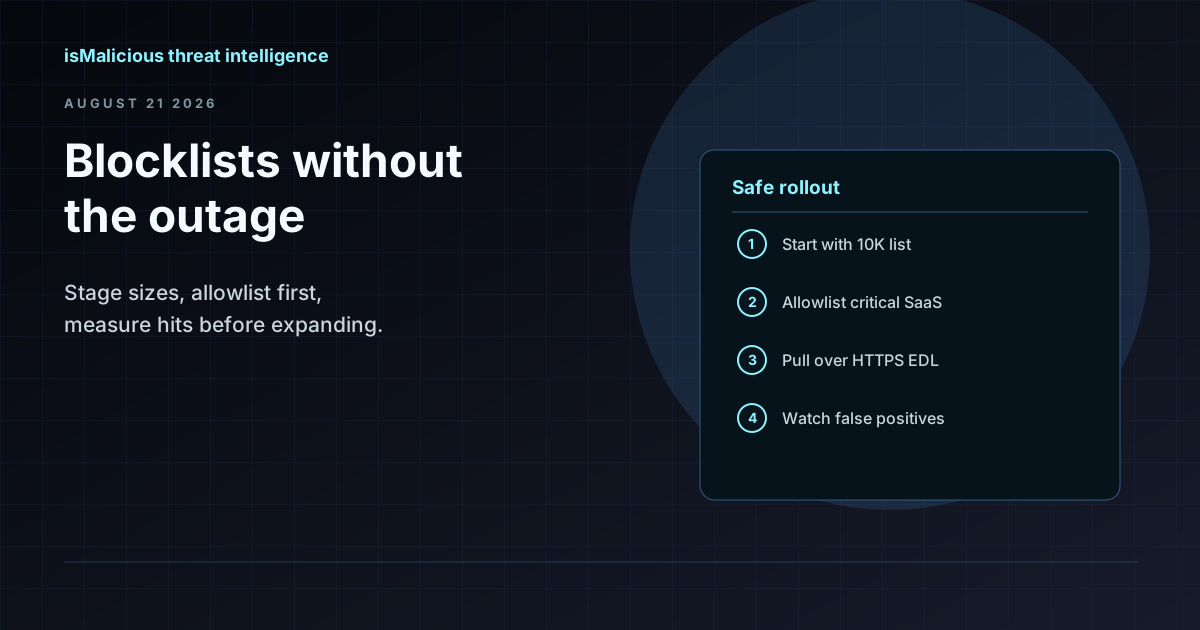
Firewall Blocklist Automation: Pulling IP and Domain Feeds Without Outages
External dynamic lists can block malware and phishing at the edge — or break payroll, CDN traffic, and vendor portals. This guide covers staged rollout, allowlists, fail-open vs fail-closed, and measuring hit rates for IP and domain blocklists.
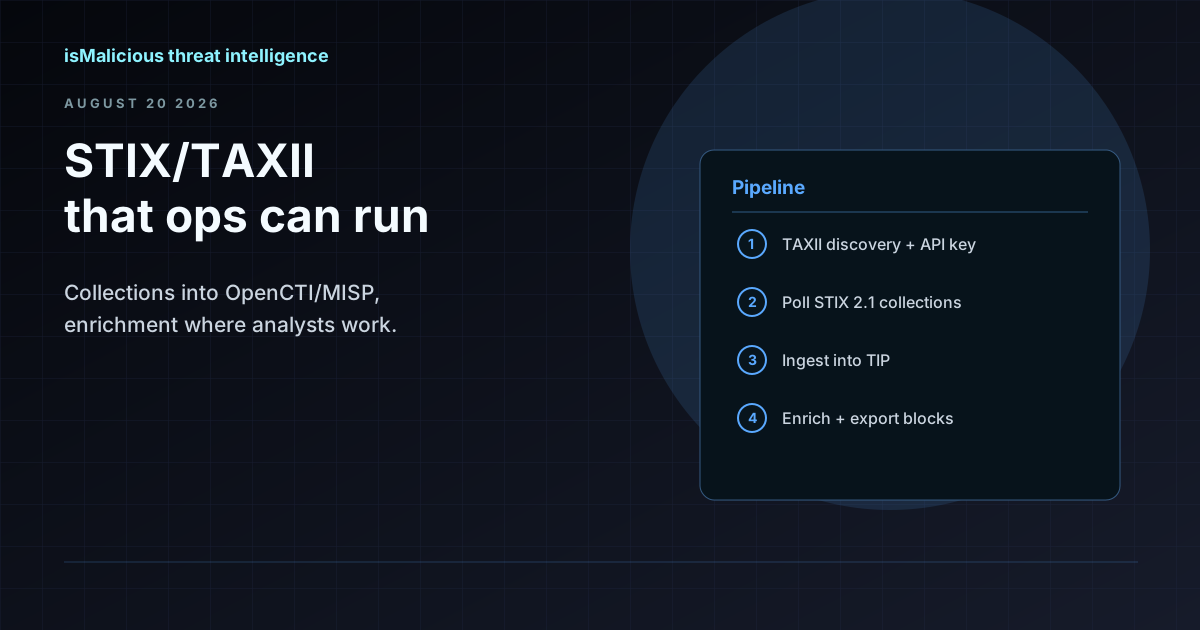
STIX/TAXII Threat Feeds: Operational Guide for OpenCTI, MISP, and SIEM Pipelines
How to wire STIX 2.1 and TAXII 2.1 collections into OpenCTI, MISP, or your SIEM — what to poll, how to handle confidence and aging indicators, and where enrichment APIs fit alongside feed ingestion.
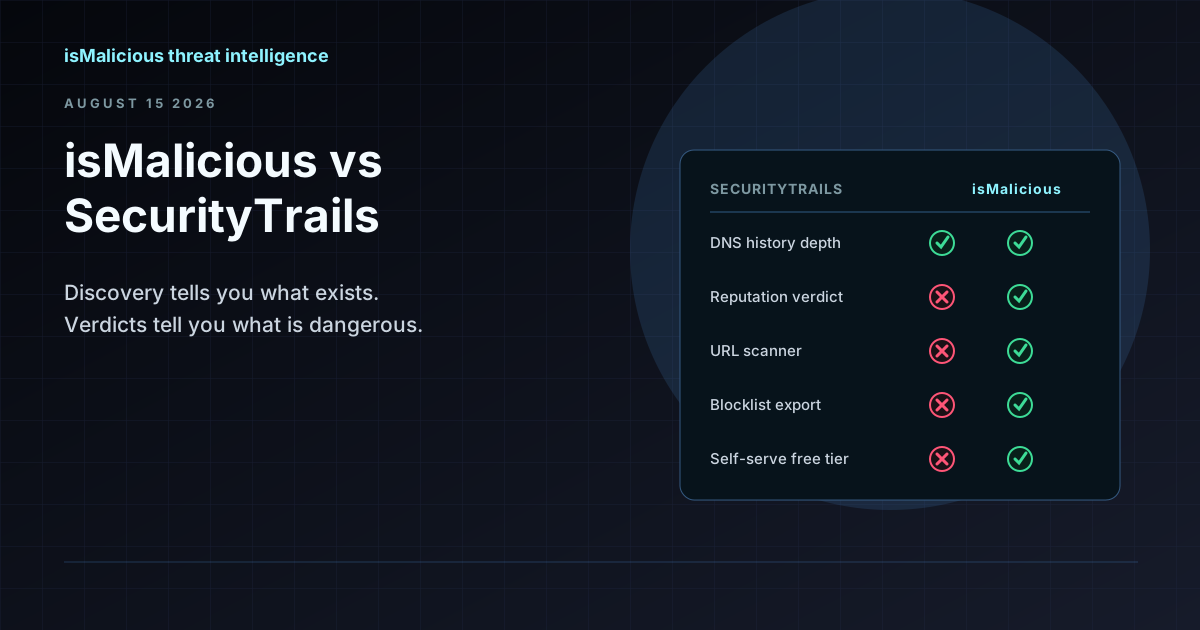
isMalicious vs SecurityTrails: Discovery Data and Reputation Verdicts Are Not the Same Product
SecurityTrails tells you what exists — every subdomain, every historical DNS record. isMalicious tells you what is dangerous. Most teams searching for a SecurityTrails alternative want the second half.
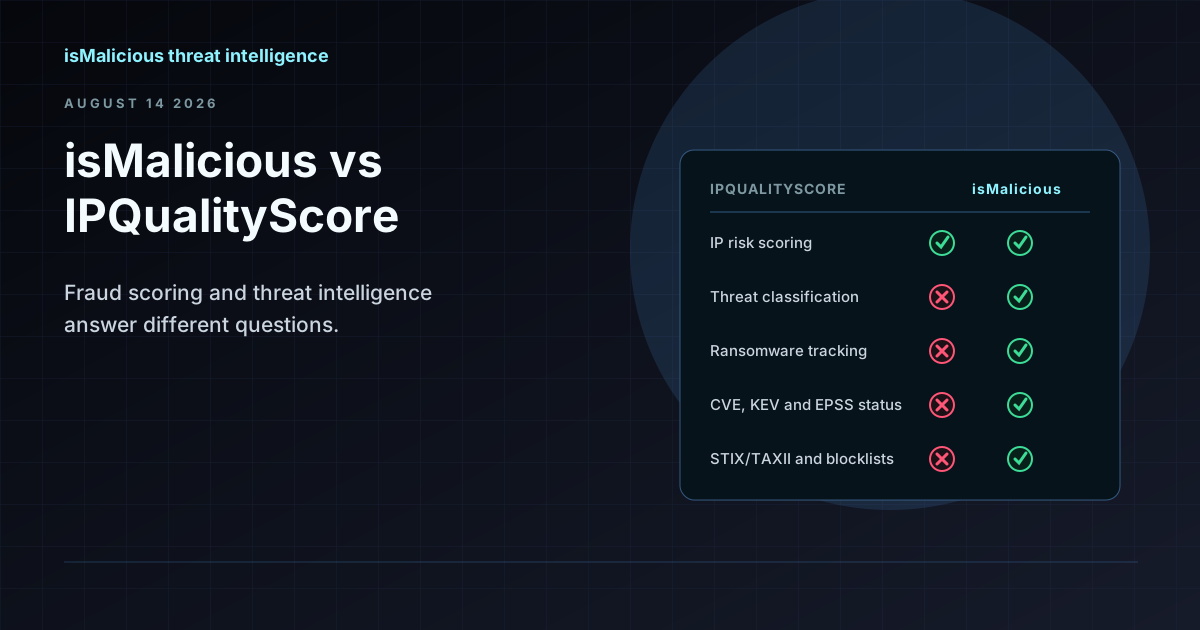
isMalicious vs IPQualityScore: Fraud Scoring and Threat Intelligence Are Different Jobs
IPQS scores whether a signup is fraudulent. isMalicious scores whether infrastructure is malicious. The two get compared constantly because both return a number about an IP address — and they answer different questions.
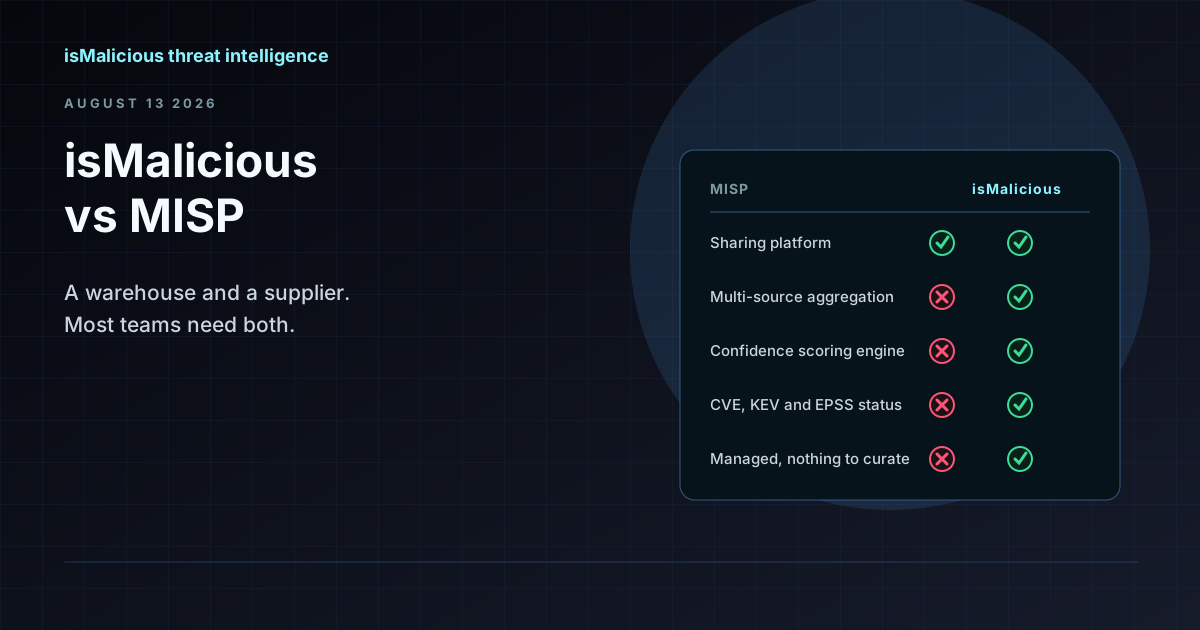
isMalicious vs MISP: Why This Is the Wrong Comparison (and What to Compare Instead)
MISP is where you store and share indicators. isMalicious is where indicators come from. Teams searching for a MISP alternative are usually looking for a feed, not a replacement platform.
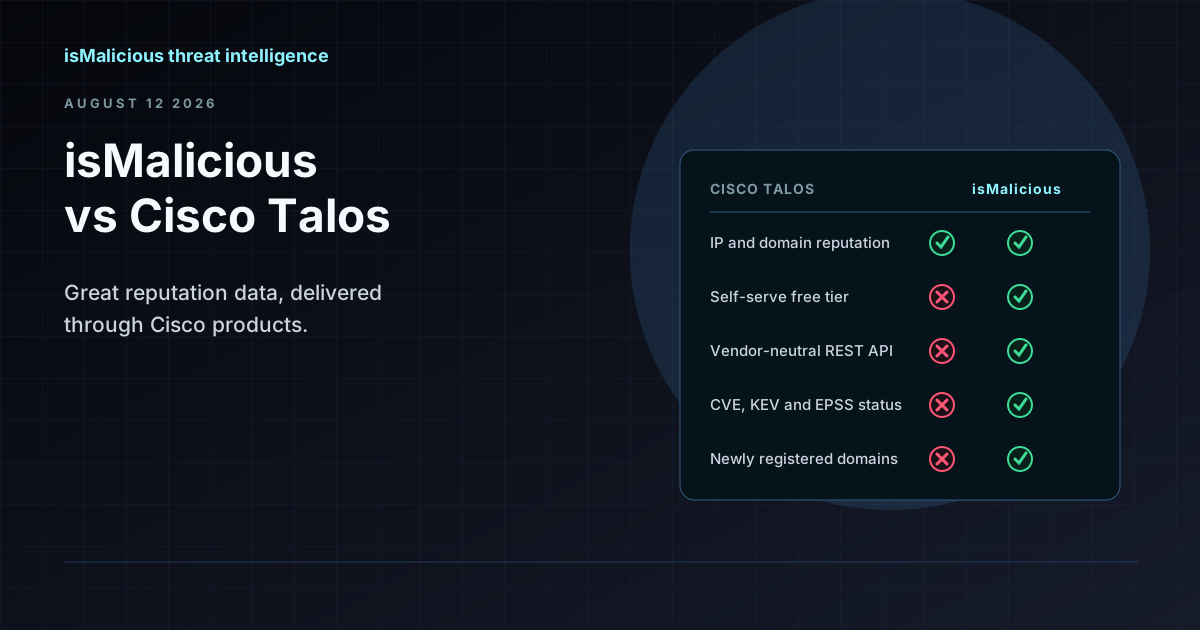
isMalicious vs Cisco Talos: Reputation Lookups Outside the Cisco Stack
Talos reputation is excellent and it lives inside Cisco products. If your stack is not Cisco, or you need an API rather than a web form, that is where the comparison starts.
Bulk IP and Domain Lookups: Designing Indicator Enrichment That Survives Real Volume
One incident produces hundreds of indicators, and per-indicator lookups are where triage stalls. Here is how to build a batch enrichment pipeline that respects quotas, deduplicates properly, and fails gracefully.

urlscan.io vs isMalicious: URL Scanning
urlscan.io captures what a page does; isMalicious tells you if it is malicious. Verdicts, redirect chains, and blocklists compared.

isMalicious vs GreyNoise: IP Noise Scoring and Threat Intelligence API Compared
GreyNoise tags internet background noise; isMalicious adds verdicts, WHOIS, DNS history, and ransomware context. A SOC-focused comparison for triage teams.
China Edge Device Campaigns: Passive DNS And Certificates For Early Warning
Dutch intelligence warnings about Chinese cyber capability reinforce a practical defense priority: monitor edge devices, VPNs, routers, DNS history, and certificate reuse.
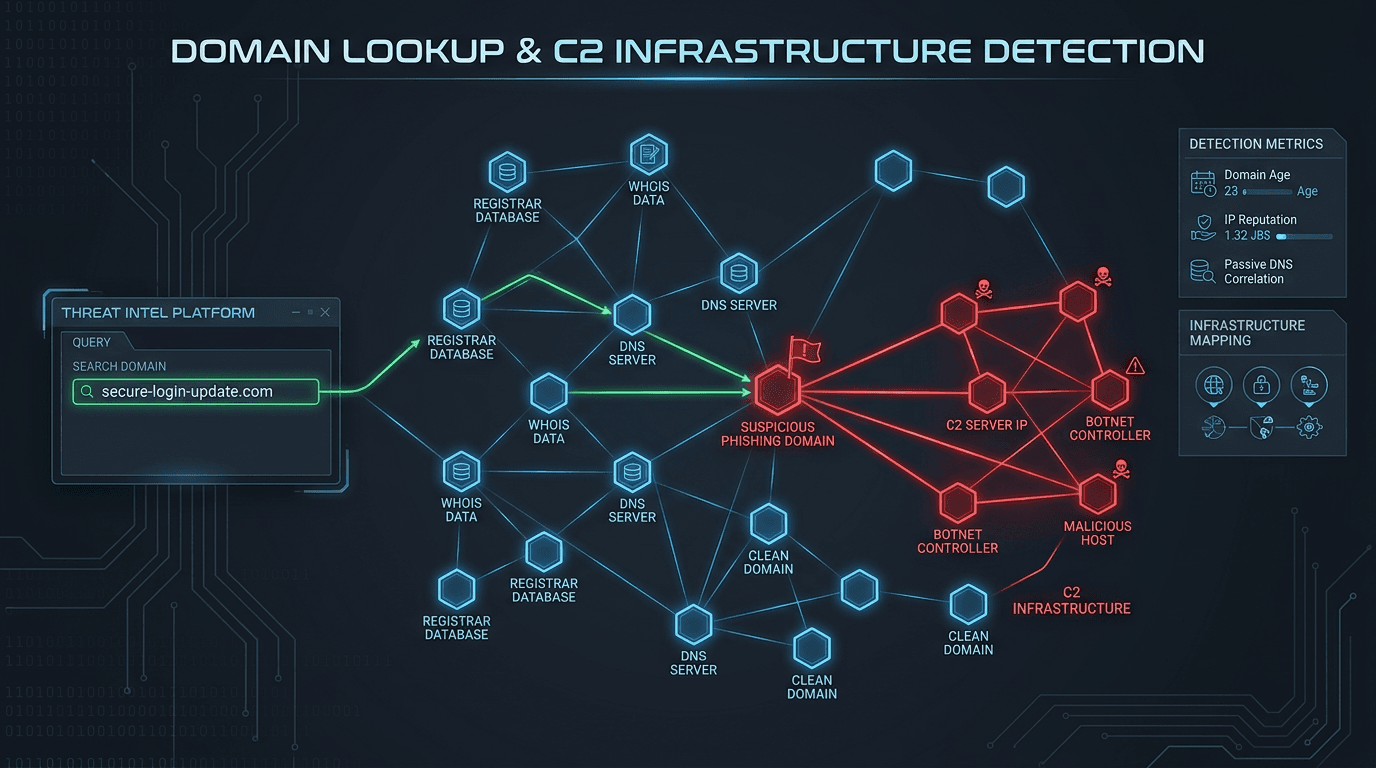
Malicious Infrastructure Clustering: How Passive DNS, TLS Certificates, and ASNs Reveal Shared Campaigns
A single C2 IP is a clue; shared signing patterns and DNS co-occurrence are a map. This guide explains how defenders cluster infrastructure without chasing ghosts—and how to document findings for IR, threat intel, and law enforcement handoffs.

SIEM and SOAR Threat Intelligence Enrichment: Workflows, Field Mapping, and the Metrics That Keep Teams Sane
A SOAR playbook without enrichment is a ticket printer. A SIEM with unbounded threat feeds is a bill. Here is a practical way to design enrichment for Splunk, Sentinel, or Elastic-style stacks—what to store, when to run playbooks, and what to report upward.
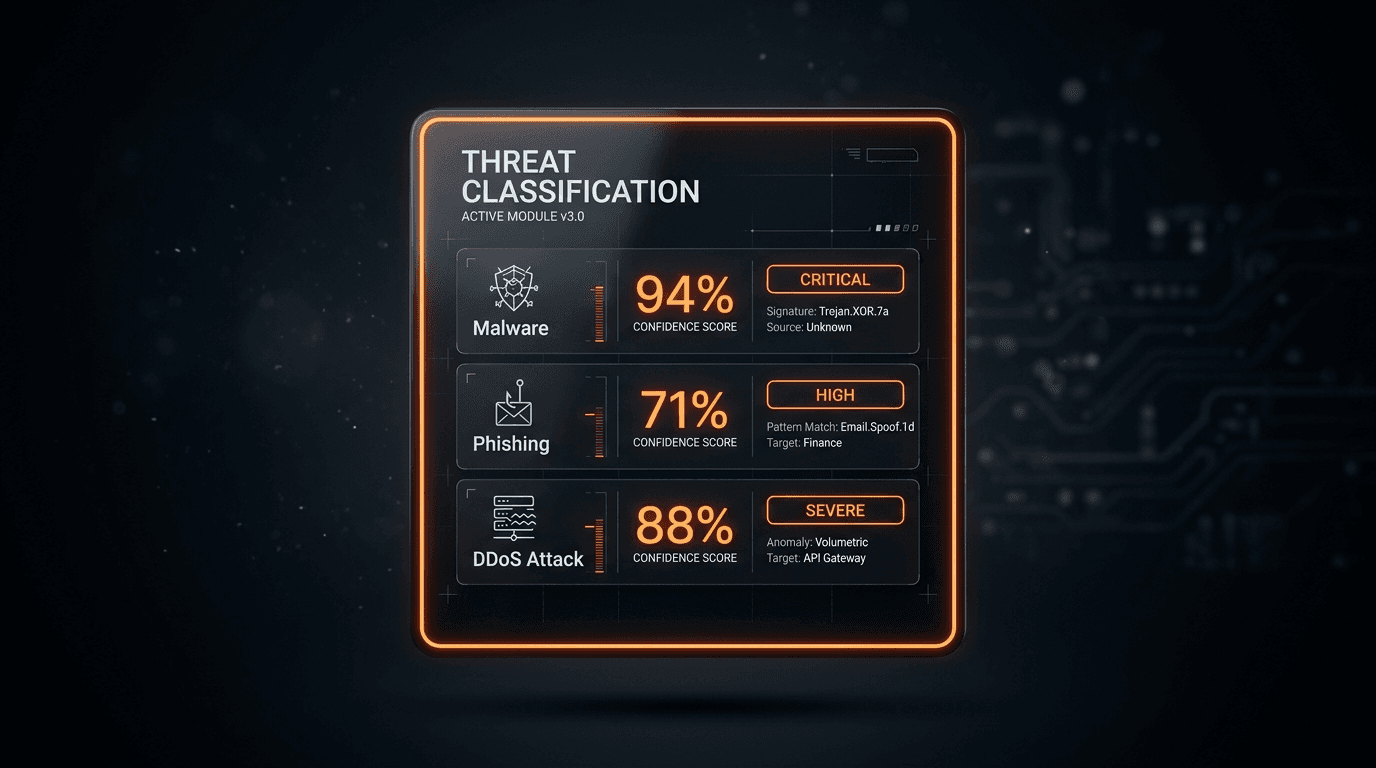
Threat Intelligence Risk Scoring: How to Calibrate Reputation, Reduce False Positives, and Defend Your Decisions
A noisy score is worse than no score. Learn what makes a reputation model trustworthy, how to combine multi-source evidence, and how to communicate uncertainty to your SOC and your executives.
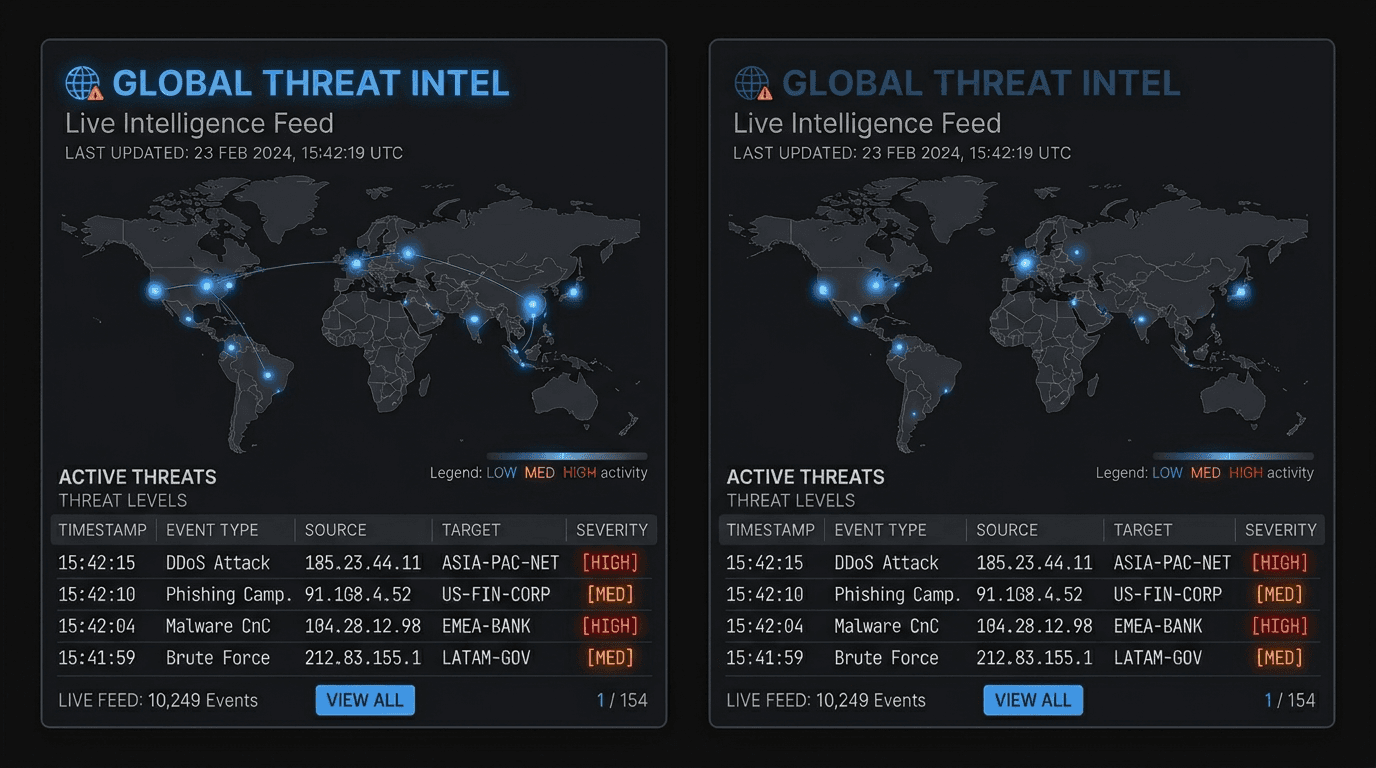
ASN Reputation for Threat Intelligence: How Autonomous System Intelligence Improves Prioritization and Hunt Programs
An IP address is a snapshot; an autonomous system (ASN) is a neighborhood. Learn how to use ASN context safely for triage, fraud, and security operations—without mistaking a giant cloud for a monolithic "bad host".
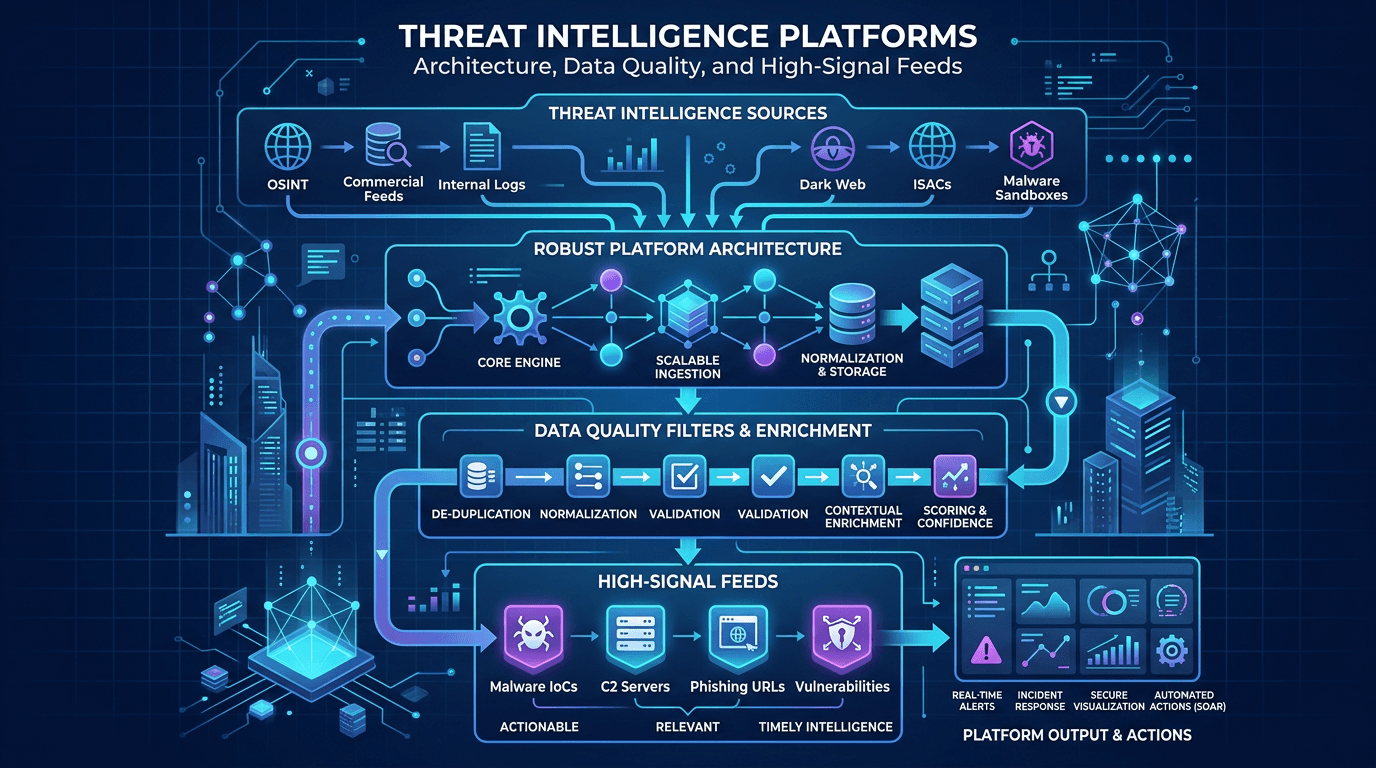
Threat Intelligence Platforms: Architecture, Data Quality, and High-Signal Feeds
Design TIPs and intel pipelines that scale: normalization, confidence scoring, deduplication, API-first delivery, and how to pair platform investments with analyst workflows.
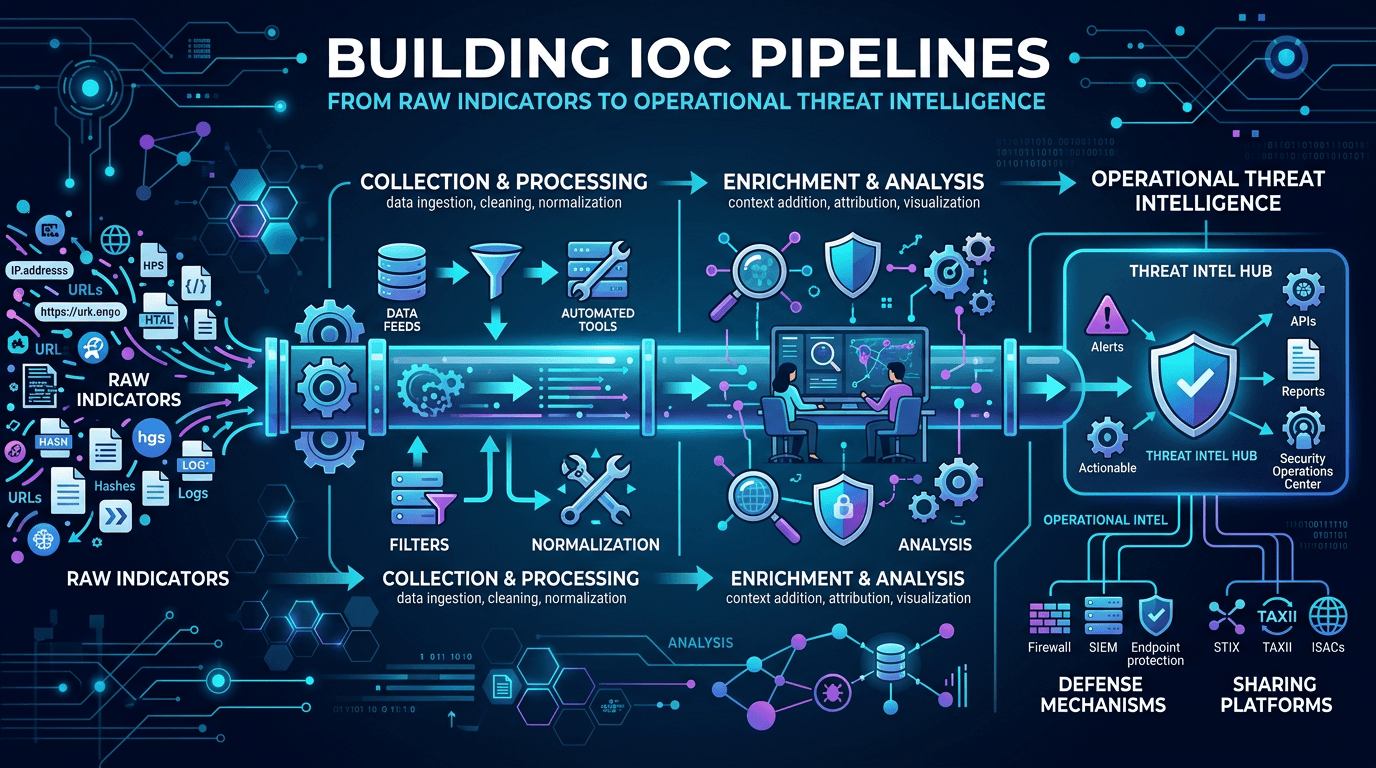
Building IOC Pipelines: From Raw Indicators to Operational Threat Intelligence in 2026
A practical engineering guide to building indicator of compromise (IOC) pipelines—ingestion, normalization, deduplication, enrichment, scoring, distribution, and feedback—to turn raw threat feeds into operational defense.
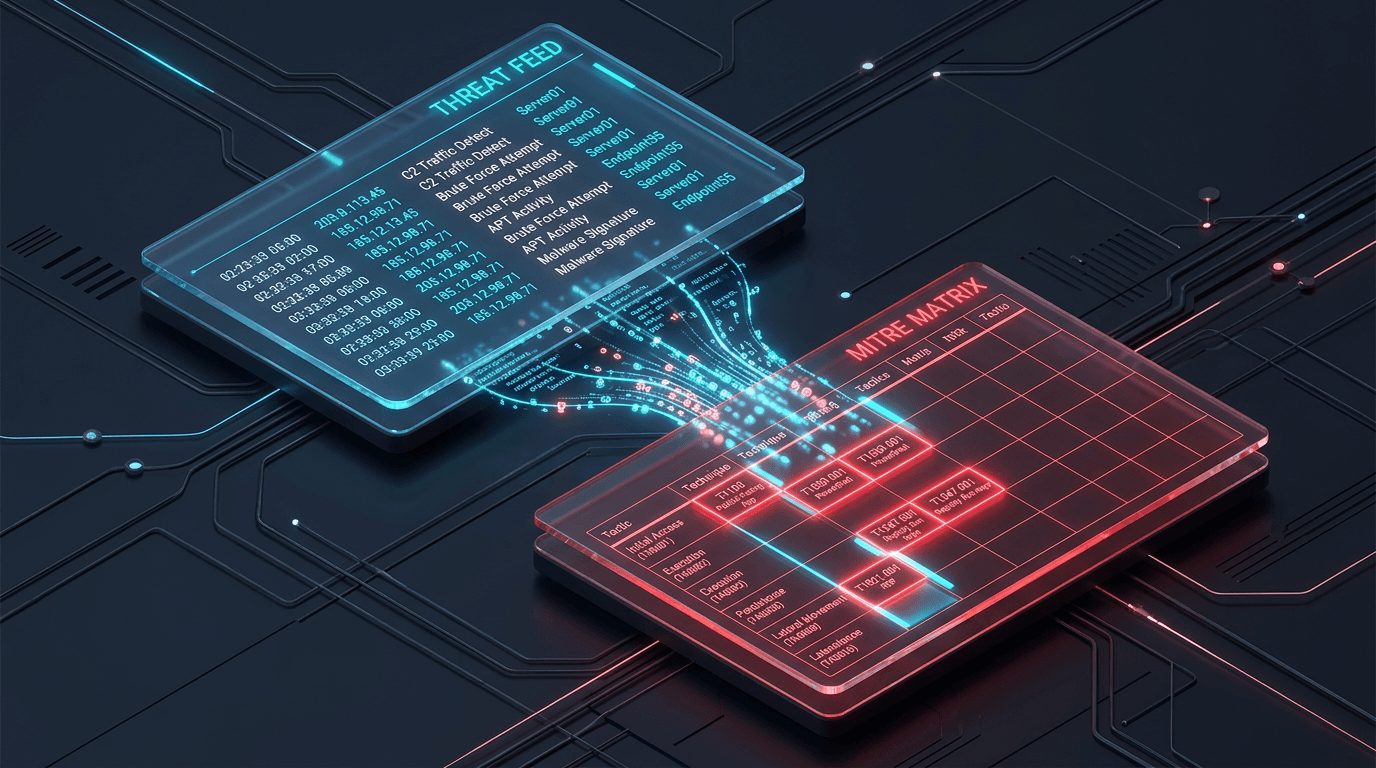
IOC Enrichment APIs: A Security Operations Guide to Faster Triage, Fewer False Positives, and Measurable ROI
An indicator without context is a ticket without an owner. Learn how IOC enrichment APIs work, which fields SOC teams need at each tier, and how to wire them into case management without building a data swamp.
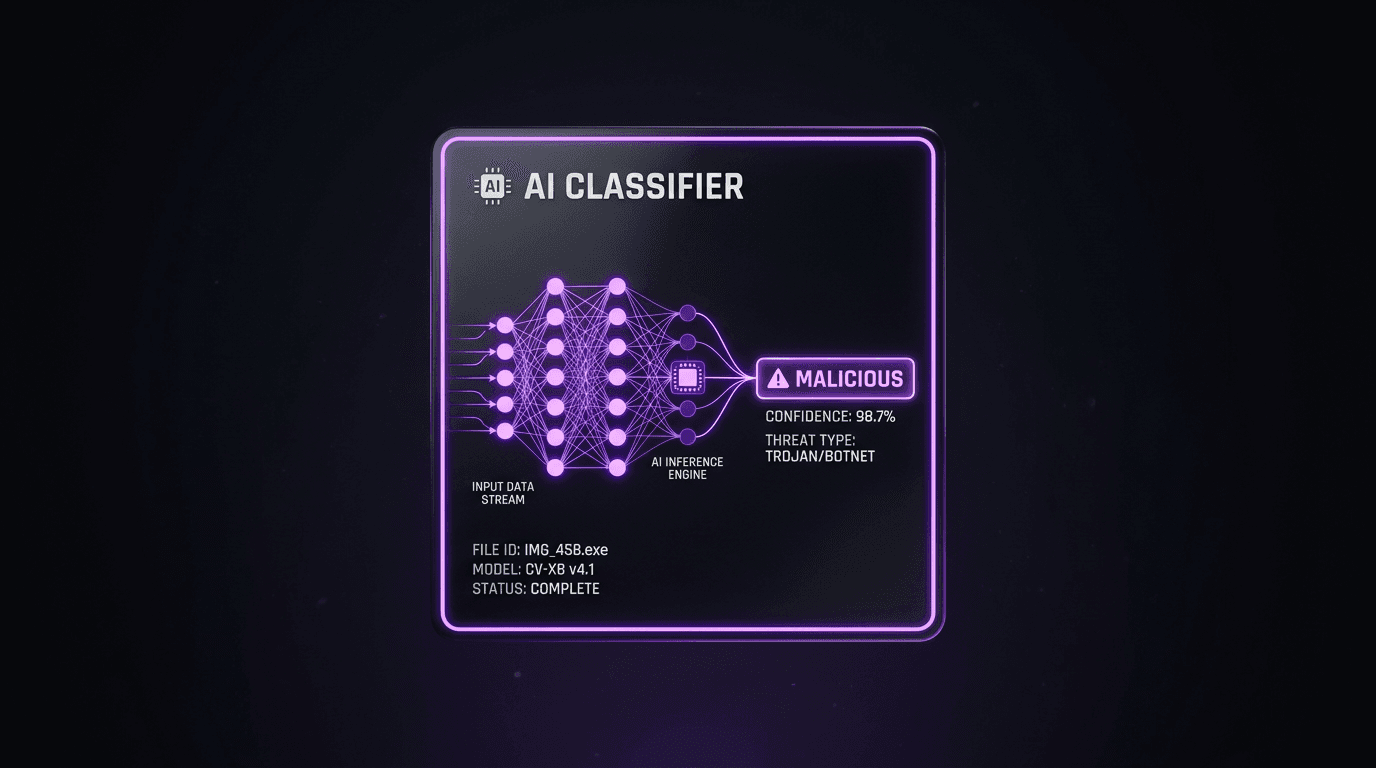
Answer-Engine Optimization for Cybersecurity: How to Get Cited by ChatGPT, Perplexity, and Claude in 2026
Traditional SEO is not enough when users ask large language models for vendor comparisons and step-by-step security guidance. Learn how to structure threat intelligence and security content so AI systems can parse, trust, and cite your brand without hype or ambiguity.
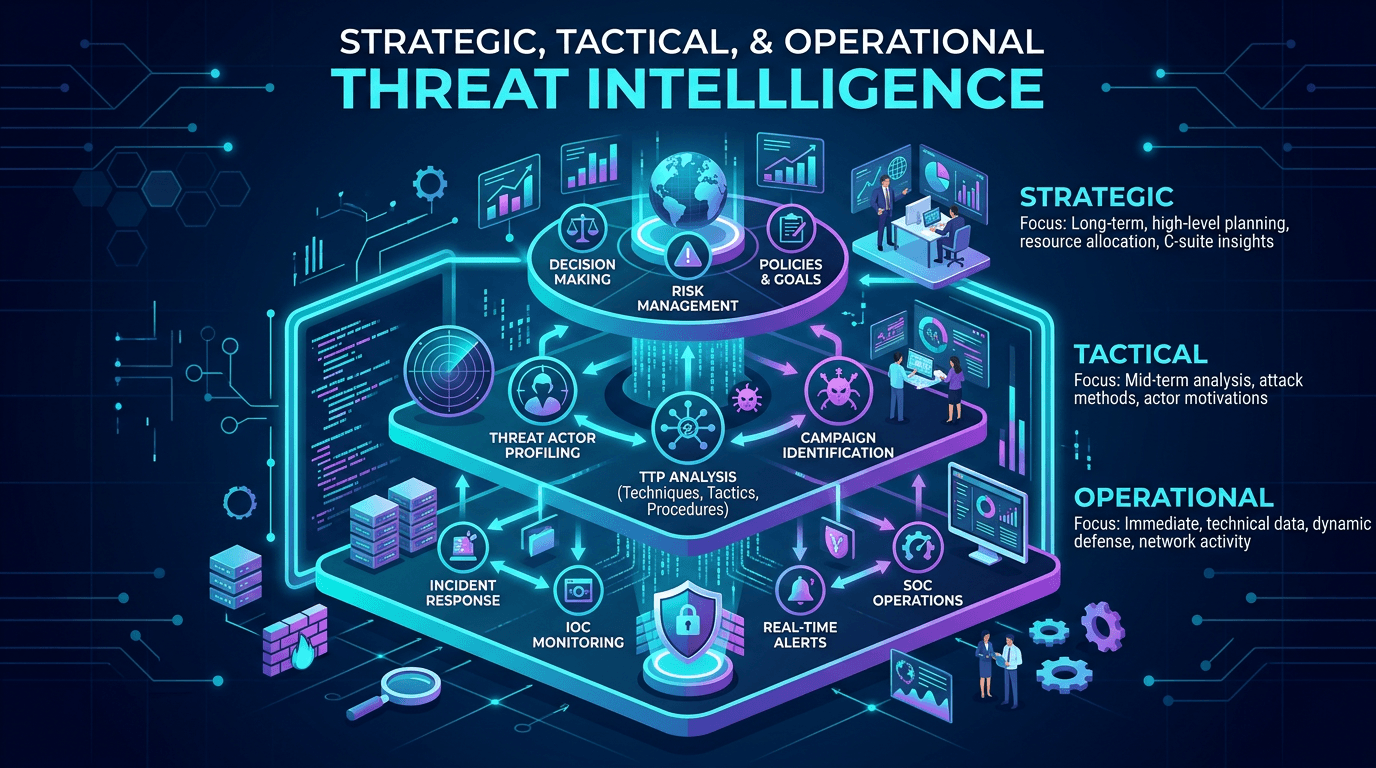
Strategic, Tactical, and Operational Threat Intelligence: Frameworks for Modern Security Programs
Align CTI outputs with audience needs: executive risk narratives, SOC-ready IOCs, and MITRE-mapped TTPs—plus governance models that keep intelligence timely and measurable.
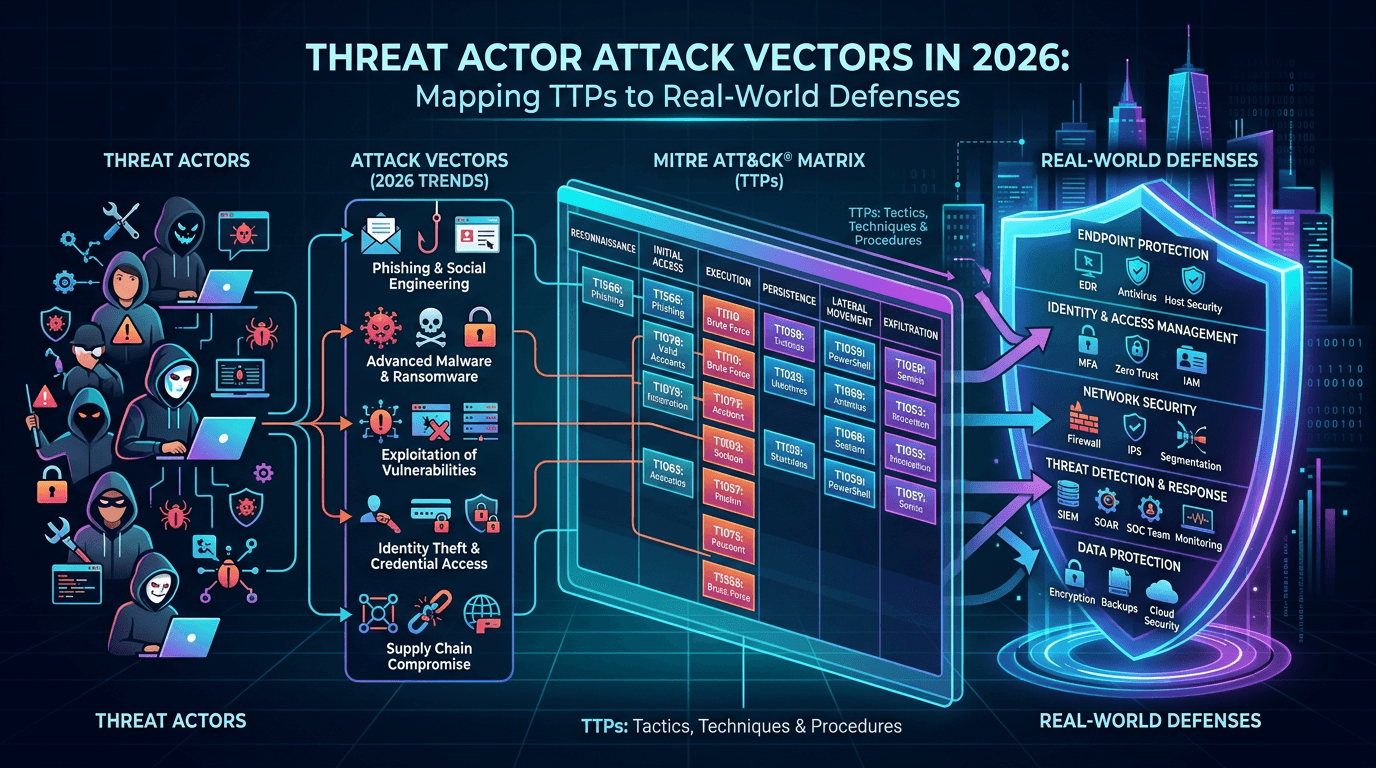
Threat Actor Attack Vectors in 2026: Mapping TTPs to Real-World Defenses
Explore how adversaries gain initial access, move laterally, and exfiltrate data—and how security teams map attack vectors to MITRE ATT&CK, detection engineering, and threat-informed defense.
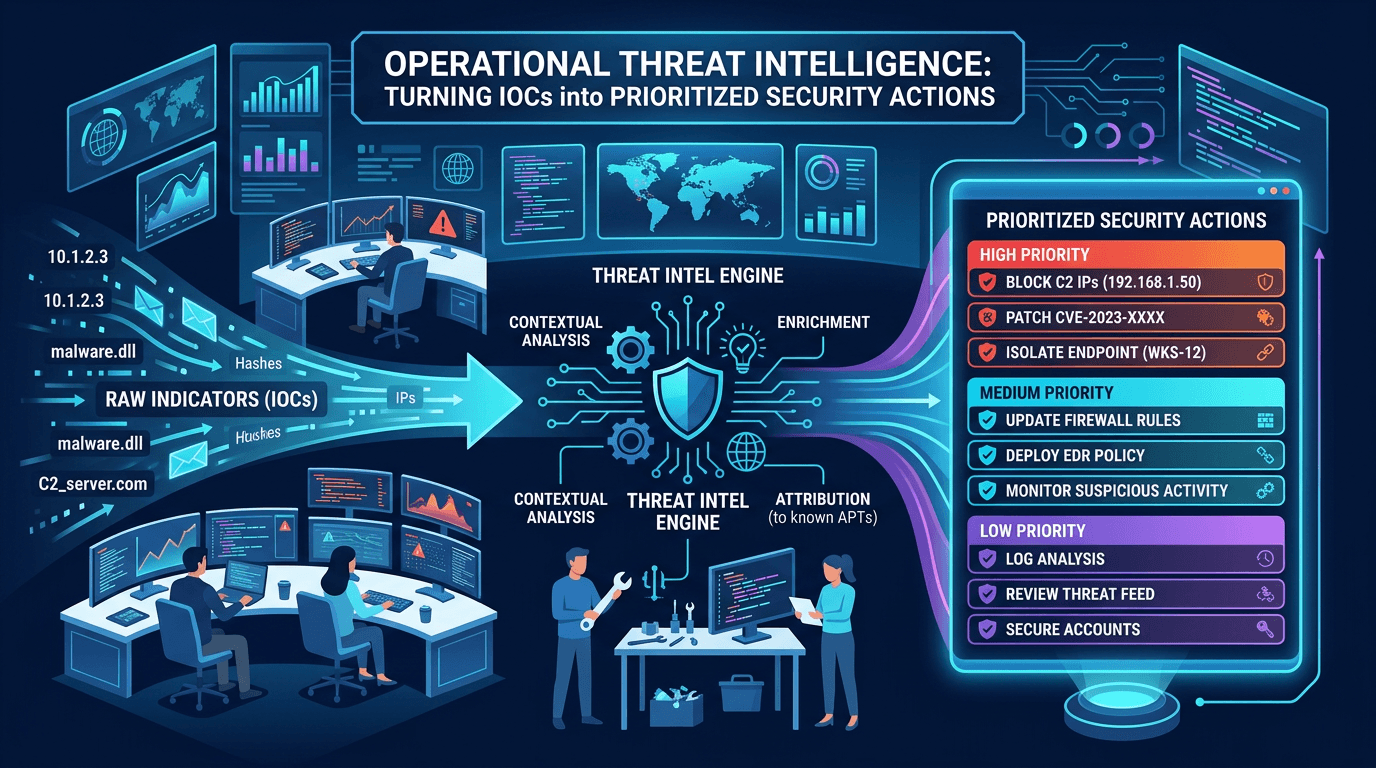
Operational Threat Intelligence: Turning IOCs into Prioritized Security Actions
Define operational CTI that SOC teams can use daily: IOC lifecycle, confidence scoring, feed hygiene, and how to align indicators with detection engineering and incident response.
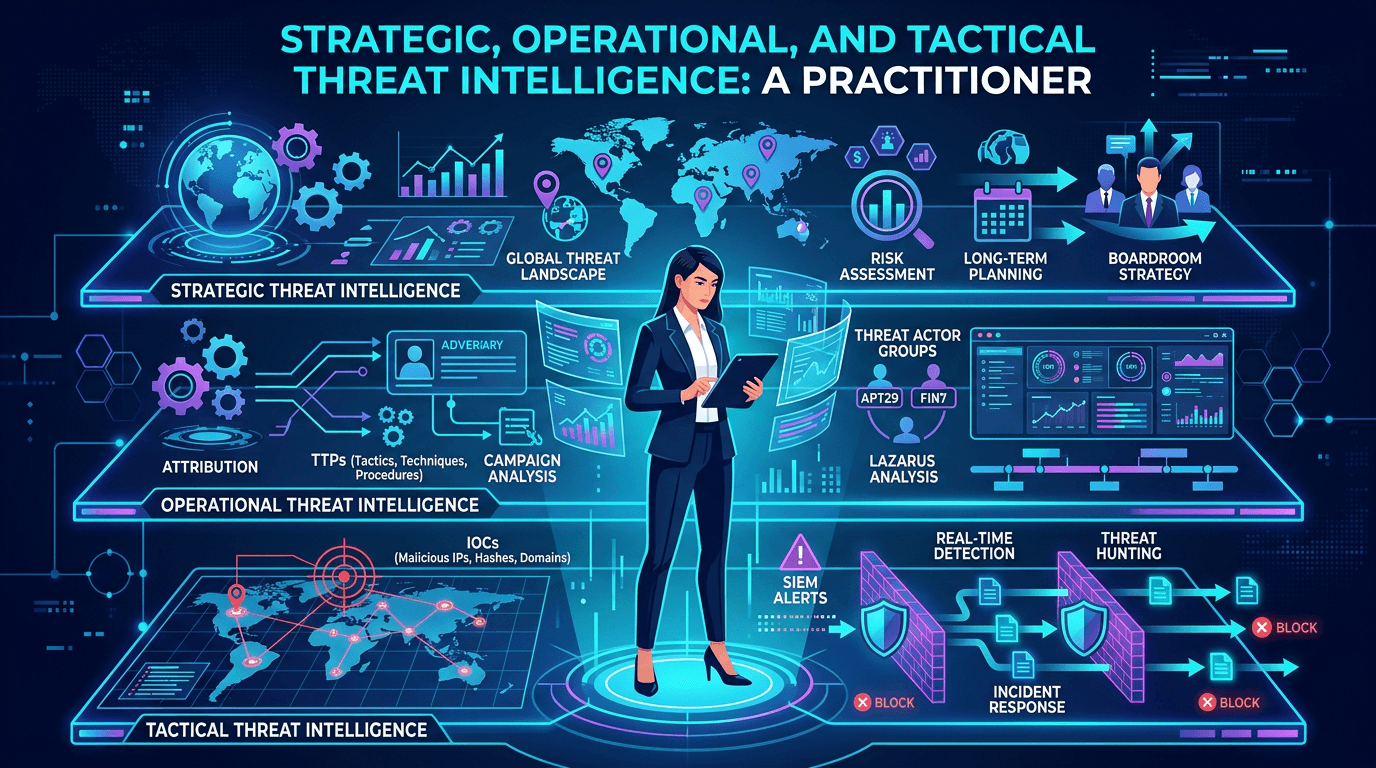
Strategic, Operational, and Tactical Threat Intelligence: A Practitioner's Framework for 2026
A complete guide to the three levels of threat intelligence—strategic, operational, and tactical—with practical examples of consumers, outputs, feeds, and how to connect them into a coherent CTI program.
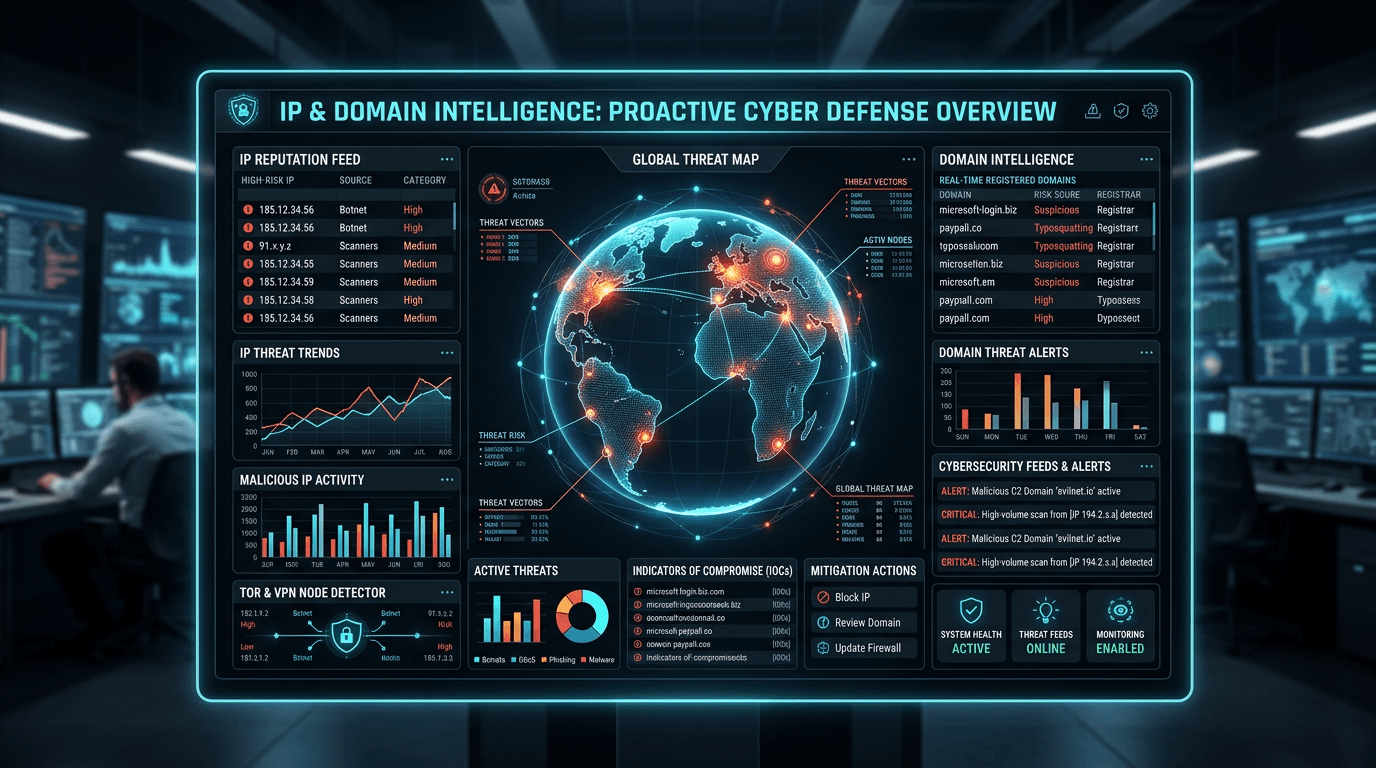
IP and Domain Intelligence: Building a Proactive Cyber Threat Defense
Reactive security leaves organizations perpetually one step behind attackers. Learn how combining IP and domain intelligence transforms your security posture from reactive incident response to proactive threat prevention that stops attacks before they start.
Subscribe to Our Newsletter
Weekly threat intelligence insights delivered to your inbox.