ASN Reputation for Threat Intelligence: How Autonomous System Intelligence Improves Prioritization and Hunt Programs
An IP address is a snapshot; an autonomous system (ASN) is a neighborhood. Learn how to use ASN context safely for triage, fraud, and security operations—without mistaking a giant cloud for a monolithic "bad host".
 IsMalicious Team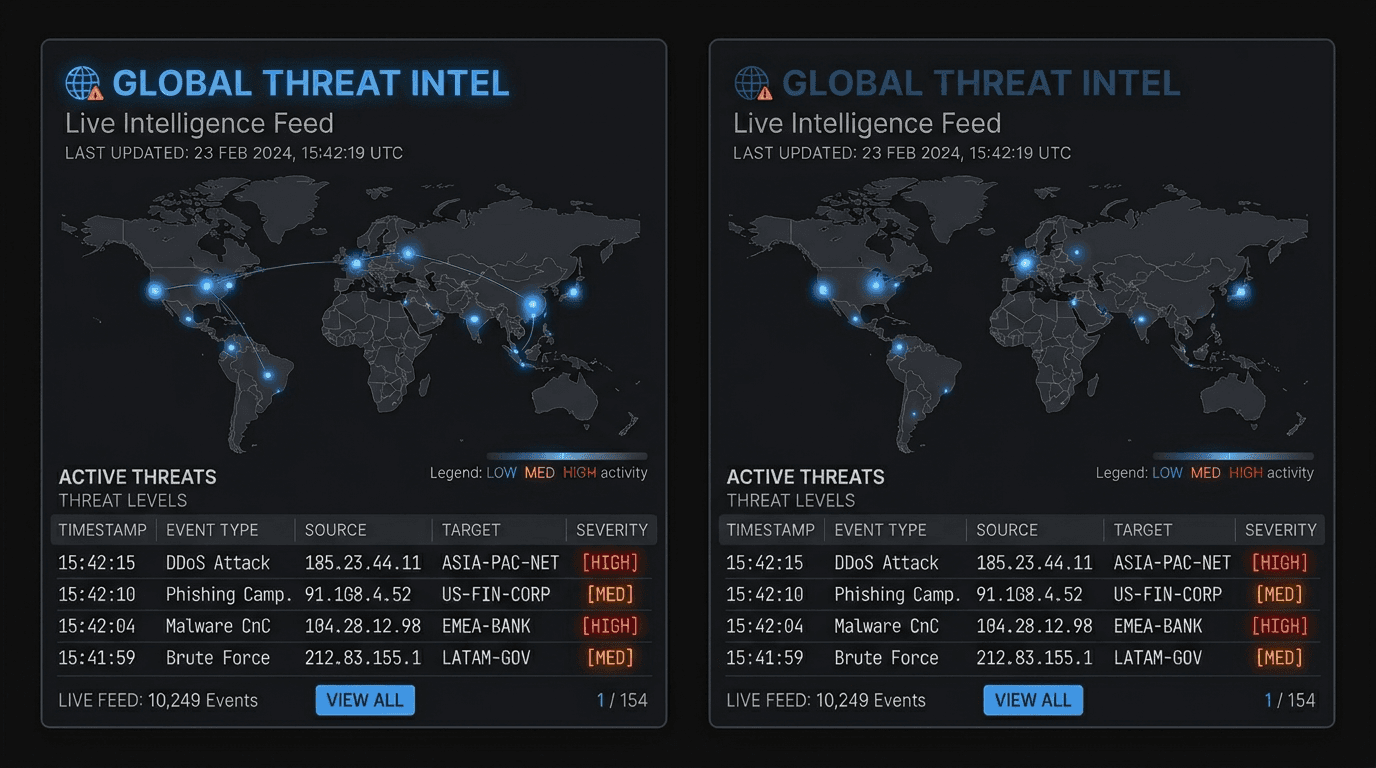
Short answer: ASN reputation is a macroscope for IP activity: it helps you place an address in the correct neighborhood (residential carrier vs hyperscaler vs niche hoster) so your detections, fraud models, and hunts start from realistic priors.
The ASN + IP Mental Model
Every public IPv4/IPv6 address belongs to a route advertised by an autonomous system. That relationship is the bridge between a single alert and the operational reality: who likely operates the network, how stable it is, and how noisy it is for false positives.
For practitioners, the important split is not "domestic vs foreign"—it is stable identity-linked networks vs ephemeral, tenant-driven networks (especially in cloud) vs anonymization or bulletproof contexts. Our companion piece on public IP and domain threat intelligence at scale covers how teams operationalize that split.
Why Hyperscalers Break Naive "ASN=Bad" Rules
A single major cloud ASN can include millions of unrelated customers. A malicious droplet in AS-CLOUD-X is not a reason to distrust the entire provider—your own production workloads might live in the same macro-neighborhood. What matters is the enrichment of the specific IP and domain plus behavior in your own logs: login failures, data exfil patterns, and lateral movement, not the ASN label alone.
For cloud-centric abuse, also read cloud IP reputation: AWS, Azure, and GCP security teams for a workload-aware view.
High-Signal Uses of ASN Context
1) Triage priors
When a SIEM fires on an outbound connection, ASN helps the analyst guess whether they should expect residential mobility, a VPN, or a VPS used for cred stuffing. It does not prove intent; it routes the investigation.
2) Fraud and sign-up risk
A sudden cluster of new accounts from a small hosting ASN may warrant step-up auth. A mobile carrier ASN may be normal for retail customers. The goal is adaptive controls, not a permanent ban on "datacenters" (which would nuke B2B signups).
For anonymization and proxy nuance, compare this guide with the detailed discussion in proxy, VPN, and Tor: datacenter and anonymization context and the focused matrix in classifying IP infrastructure types in security tools on our site.
3) Hunt pivots and infrastructure studies
If multiple unrelated malware samples call back to IP ranges in the same non-cloud hosting ASN, you may be looking at a reseller ecosystem or a resold VPS panel. That is a pivot, not a verdict—use certificate overlap and DNS history for confirmation, as in infrastructure clustering with passive DNS and certificates.
A Practical Playbook: ASN-Aware, Not ASN-Myopic
- Enrich the IP and domain with reputation first—fast decisions require entity facts, as outlined in the IOC enrichment API guide
- Attach ASN, route, and org name in your ticket, but as metadata fields, not a decision field
- Behavior gates: if ASN suggests hosting, add credential stuffing heuristics, not a blanket WAF allow/deny
- Revisit quarterly: bulletproof hosters change upstreams; cloud customer abuse ebbs and flows
- Document exceptions (your own ASNs, partner VPNs, site-to-site IP ranges) to keep MTTR from ballooning
How isMalicious Helps
isMalicious focuses on entity-level reputation for how to check malicious domains and IPs in production workflows, complementing the ASN story with concrete indicators you can use in a SOAR or application middleware. The API is built for the moment when you have an IP, need a decision, and cannot wait for a meeting.
The Bottom Line
ASN intelligence is a map—not a magistrate. Use it to be less wrong, faster, and to avoid embarrassing blocks that make security look disconnected from the business. Pair ASN with entity enrichment, and your hunts will be sharper without turning into a carpet ban on the modern internet’s shared neighborhoods.
Next step: validate suspicious entities with the IP / domain checker after signing in, and attach the structured output to your case record.
A Simple Lab Exercise for Your Team (30 Minutes)
Do this in a non-prod channel first:
- Pick three alerts from the last day with public IPs: one consumer ISP, one cloud egress, and one “unknown oddball.”
- For each, write down only the ASN, org, and the business context of the user session (B2B vs consumer, API vs web).
- Ask: “If I blocked the entire ASN, who screams first?” The answer is your policy boundary.
- Now enrich the IP + hostname with a reputation tool and see whether ASN priors and entity verdicts agree or conflict. Conflicts are where you learn: cloud mixed-use, “clean” but sketchy hostnames, or malicious IP/domain fundamentals that only make sense in context.
- Document one false positive you avoided by not relying on ASN alone. That is the story your leadership will remember.
When to Escalate from ASN to a Full IR Track
- Outbound C2-mimicking behavior from stable long-lived company servers (your asset, not a random user)
- Multiple unrelated malware families calling the same small hosting org within a 48h window
- A sudden jump in DNS queries to a domain that shares certificate overlap with a recently reported phishing pack
In those cases, you are not “doing ASN work” anymore—you are in operational threat intelligence and IOC triage, and the anchor observable usually needs hash and URL context, not a BGP table printout.
FAQ
Frequently asked questions
What is an ASN in cybersecurity?
An Autonomous System Number (ASN) identifies an organization that manages a set of IP prefixes on the internet, typically an ISP, cloud provider, or hosting company. Security teams use ASN metadata to situate an IP: residential vs mobile vs datacenter, likely hosting region, and abuse reporting patterns for that network.
Is "bad ASN" a reliable concept?
Rarely in isolation. Large cloud and CDN ASNs are shared by both legitimate and abusive customers. Treat ASN as context—tenancy and behavior still matter. Small bulletproof or high-churn hosters are higher signal than major hyperscalers.
How do I use ASN without blocking entire countries?
Do not conflate geo with policy. If you use geo rules, do so for fraud or regulatory reasons with explicit business approval. For security, prefer ASN+behavior: rate limits, MFA challenges, and reputation-driven scoring rather than blanket IP blocks.
How does ASN help threat hunting?
When you see repeated malicious hostnames, correlating the underlying IPs and their ASNs can reveal bulletproof hosters, stolen cloud tenants, and shared infrastructure. Pair ASN pivots with passive DNS and certificate transparency where possible.
Where does isMalicious fit in?
isMalicious provides entity-centric reputation and enrichment, including context often needed alongside ASN-level heuristics when triaging public IPs. Use it to evaluate an IP and domain at speed before you take blocking or case actions.
Related articles
 SOC Alert Fatigue: How Threat Intelligence Reduces False Positives Without Hiding Real Attacks
Alert fatigue is not a staffing problem alone. SOC teams need better evidence, source quality, confidence bands, and enrichment workflows that turn noisy alerts into defensible decisions.
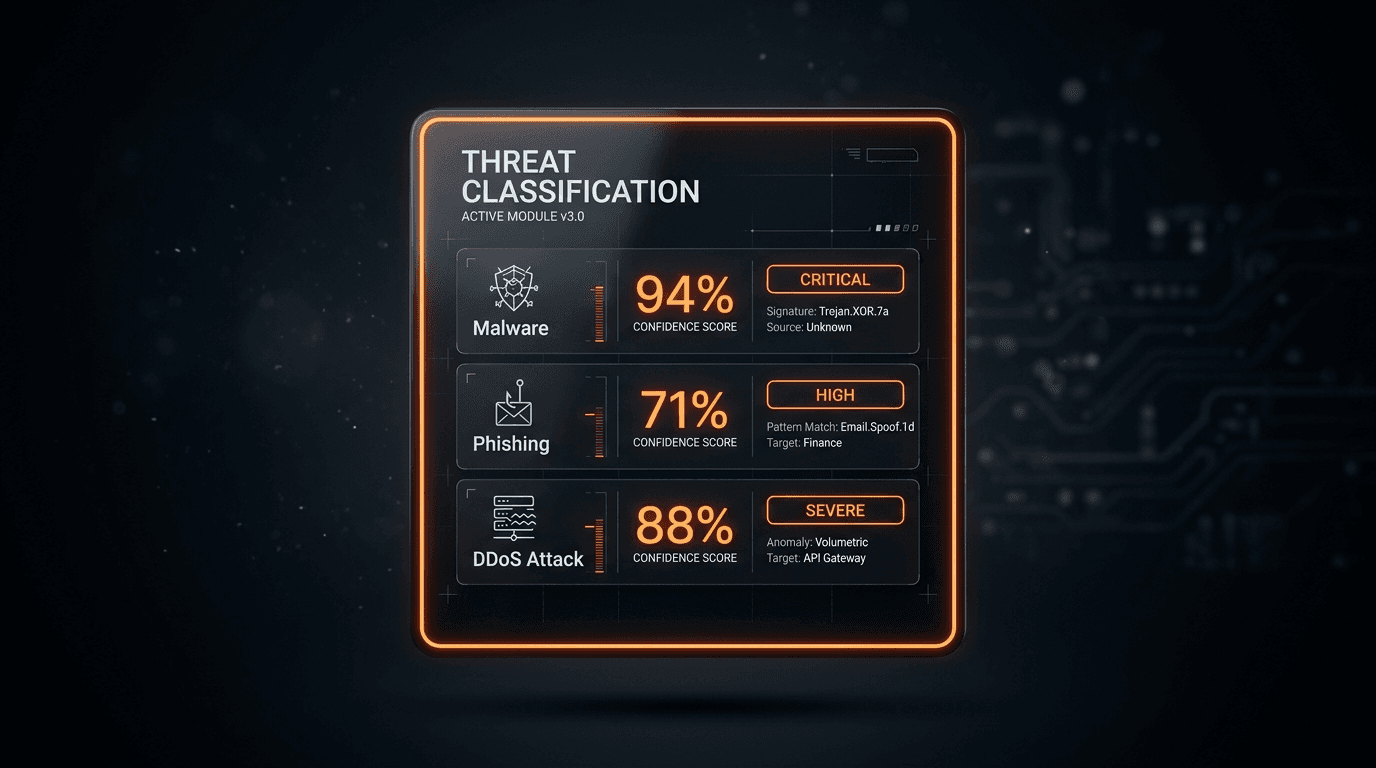 Threat Intelligence Risk Scoring: How to Calibrate Reputation, Reduce False Positives, and Defend Your Decisions
A noisy score is worse than no score. Learn what makes a reputation model trustworthy, how to combine multi-source evidence, and how to communicate uncertainty to your SOC and your executives.
 Cloud IP Reputation: What AWS, Azure, and GCP Defenders Should Track in 2026
Cloud IP addresses are shared, recycled, and abused at scale. Learn how to interpret reputation signals, reduce false positives, and align network security with platform-native controls across the three major hyperscalers.
Check any IP or domain
See what our indexed threat intelligence records say about it.
Try the IP / Domain Checker