Research & guides
Threat Intelligence Blog
Threat research, attack analysis and integration guides from the isMalicious team. Page 3 of 3.
- Articles
- 263
- Categories
- 24
- Latest

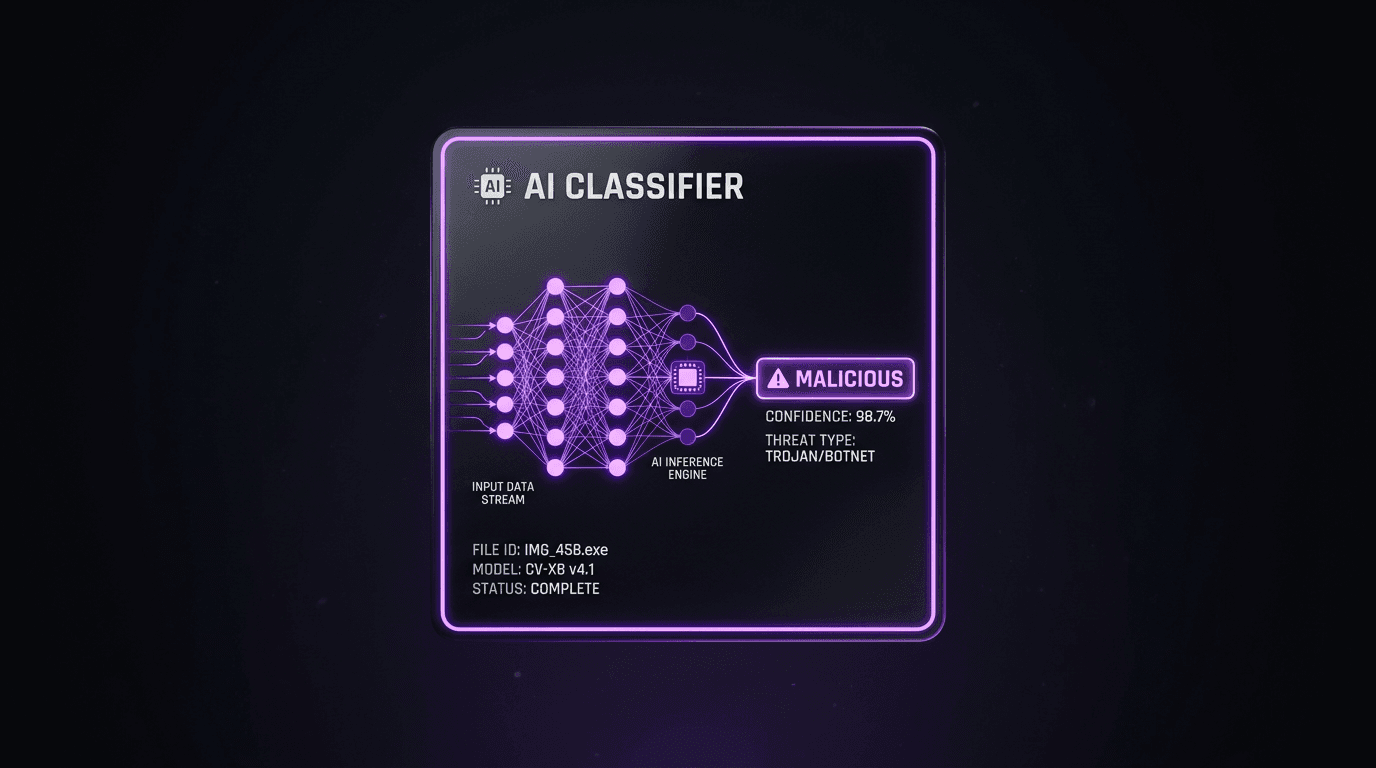
Answer-Engine Optimization for Cybersecurity: How to Get Cited by ChatGPT, Perplexity, and Claude in 2026
Traditional SEO is not enough when users ask large language models for vendor comparisons and step-by-step security guidance. Learn how to structure threat intelligence and security content so AI systems can parse, trust, and cite your brand without hype or ambiguity.
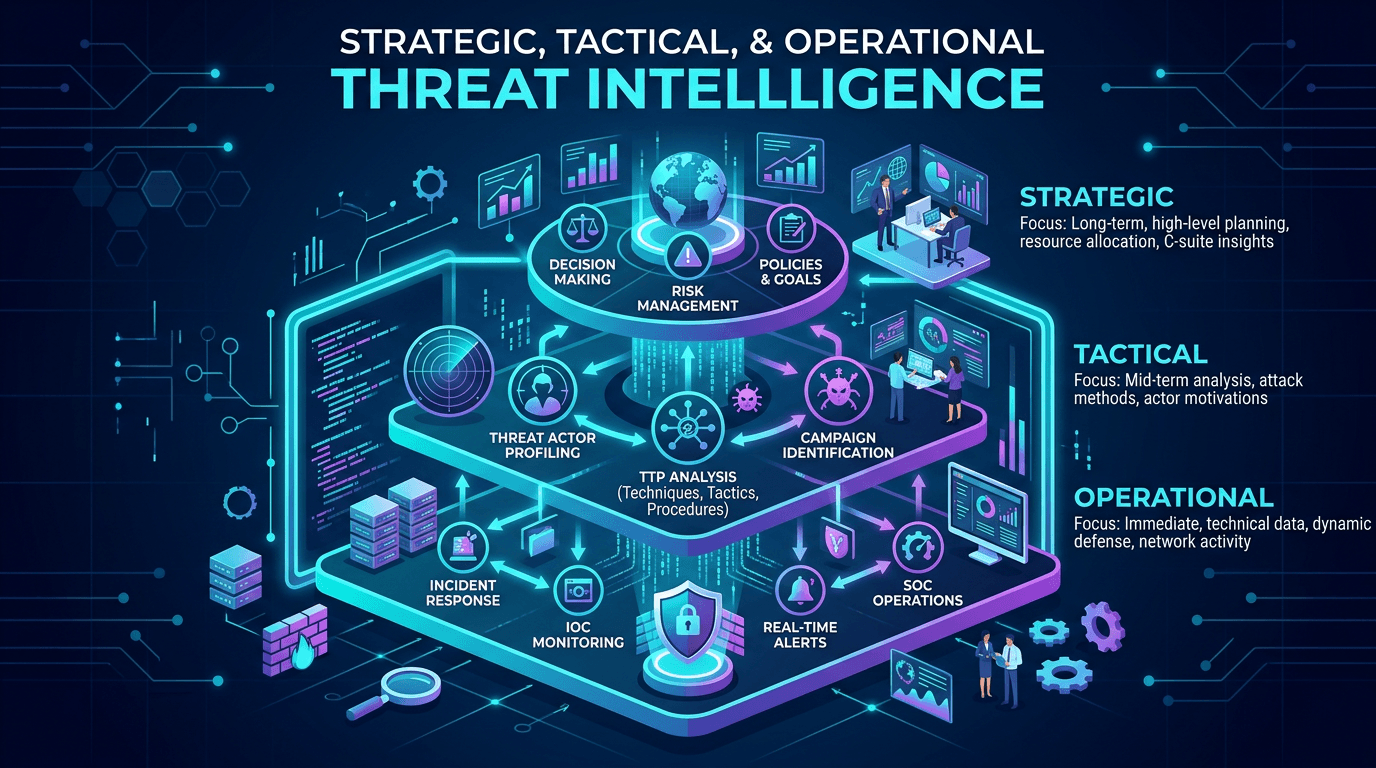
Strategic, Tactical, and Operational Threat Intelligence: Frameworks for Modern Security Programs
Align CTI outputs with audience needs: executive risk narratives, SOC-ready IOCs, and MITRE-mapped TTPs—plus governance models that keep intelligence timely and measurable.
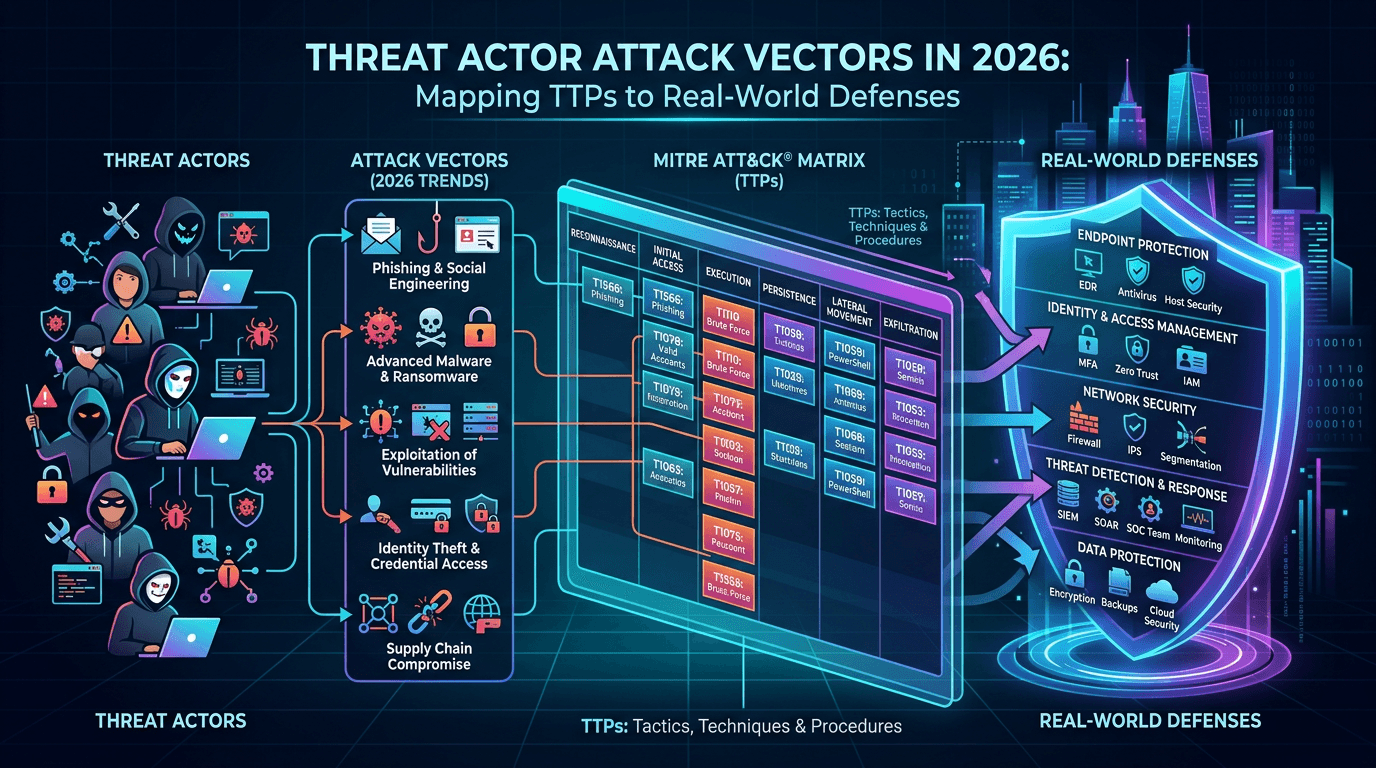
Threat Actor Attack Vectors in 2026: Mapping TTPs to Real-World Defenses
Explore how adversaries gain initial access, move laterally, and exfiltrate data—and how security teams map attack vectors to MITRE ATT&CK, detection engineering, and threat-informed defense.
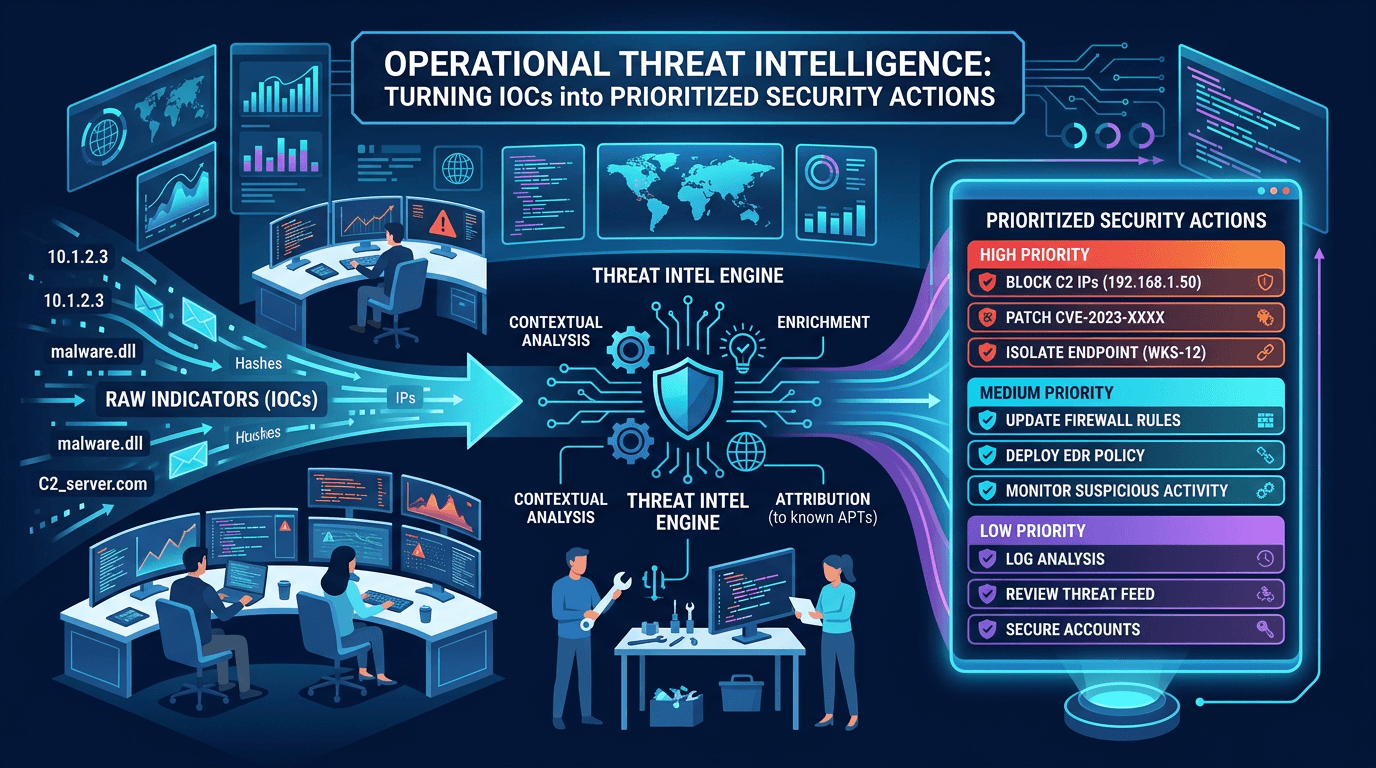
Operational Threat Intelligence: Turning IOCs into Prioritized Security Actions
Define operational CTI that SOC teams can use daily: IOC lifecycle, confidence scoring, feed hygiene, and how to align indicators with detection engineering and incident response.
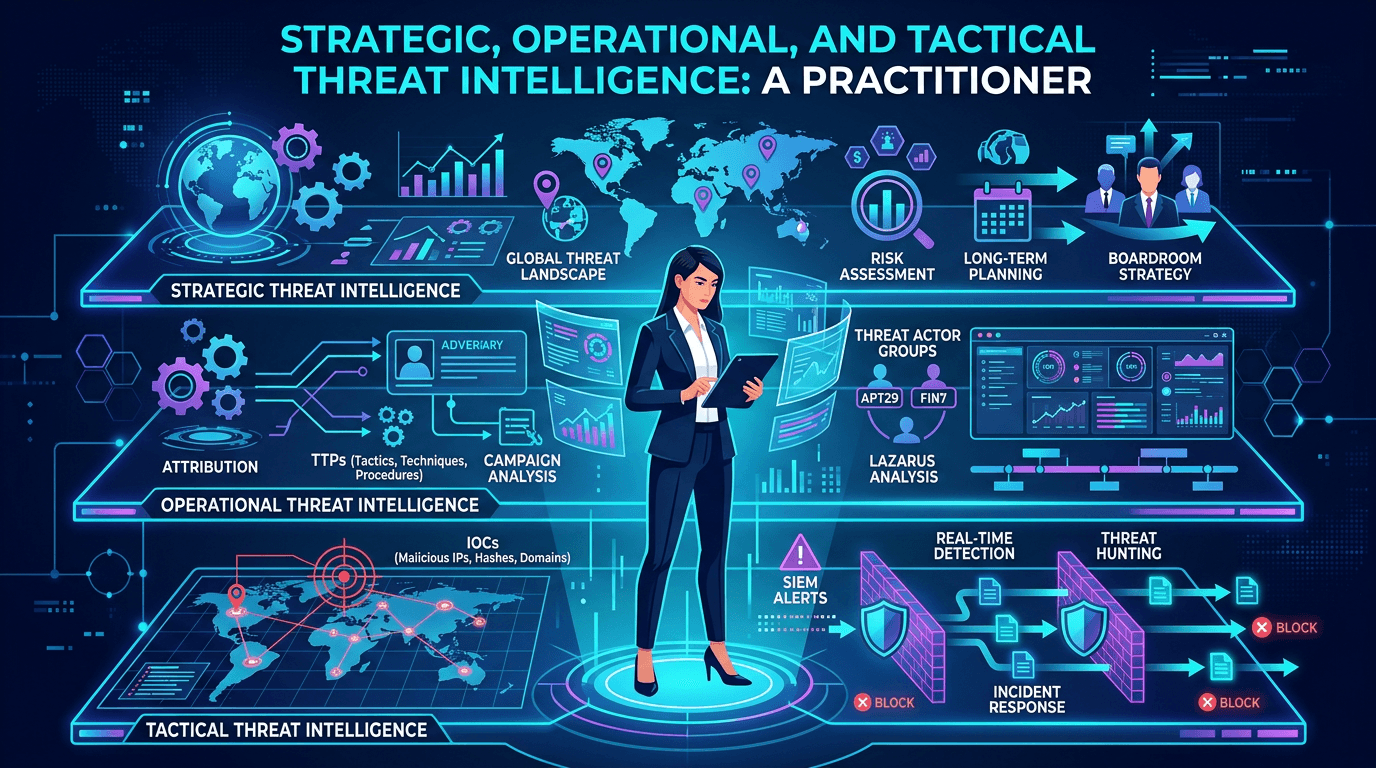
Strategic, Operational, and Tactical Threat Intelligence: A Practitioner's Framework for 2026
A complete guide to the three levels of threat intelligence—strategic, operational, and tactical—with practical examples of consumers, outputs, feeds, and how to connect them into a coherent CTI program.
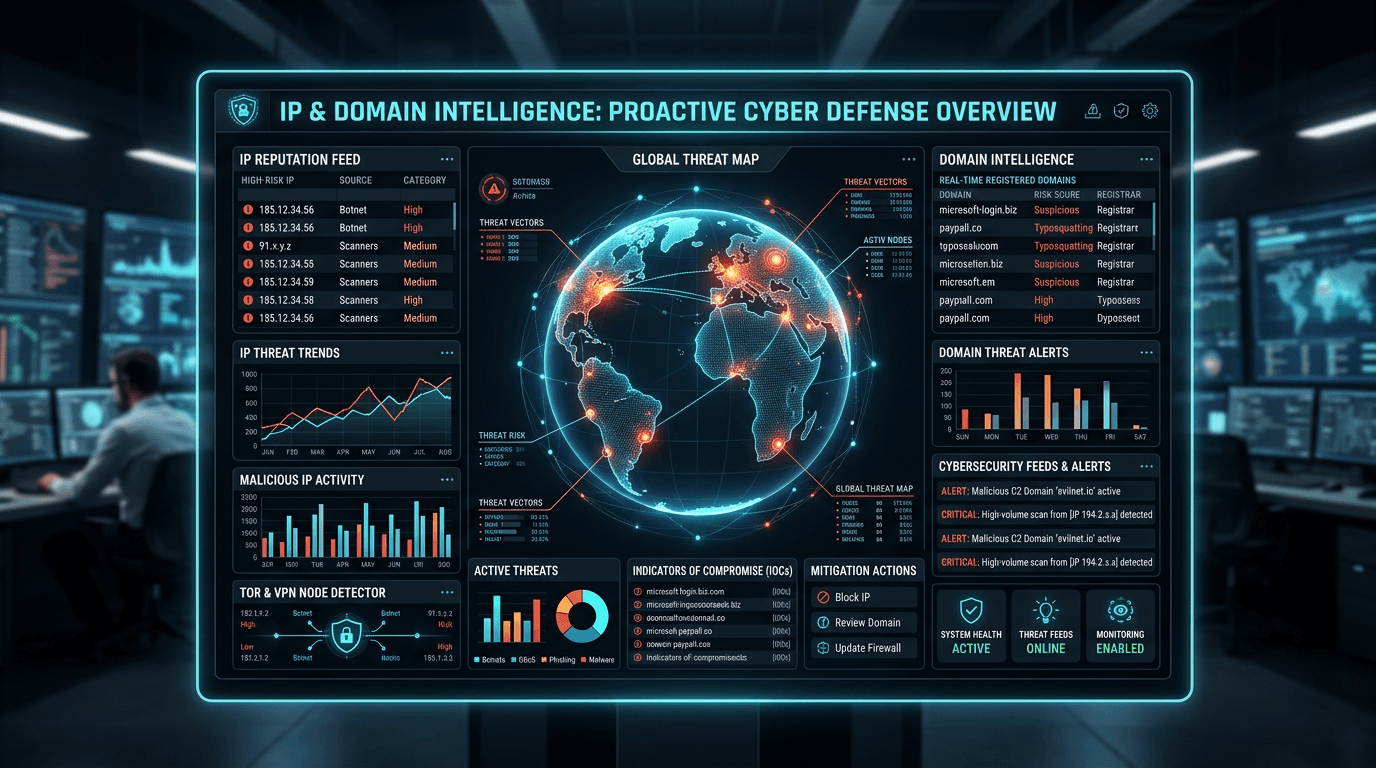
IP and Domain Intelligence: Building a Proactive Cyber Threat Defense
Reactive security leaves organizations perpetually one step behind attackers. Learn how combining IP and domain intelligence transforms your security posture from reactive incident response to proactive threat prevention that stops attacks before they start.
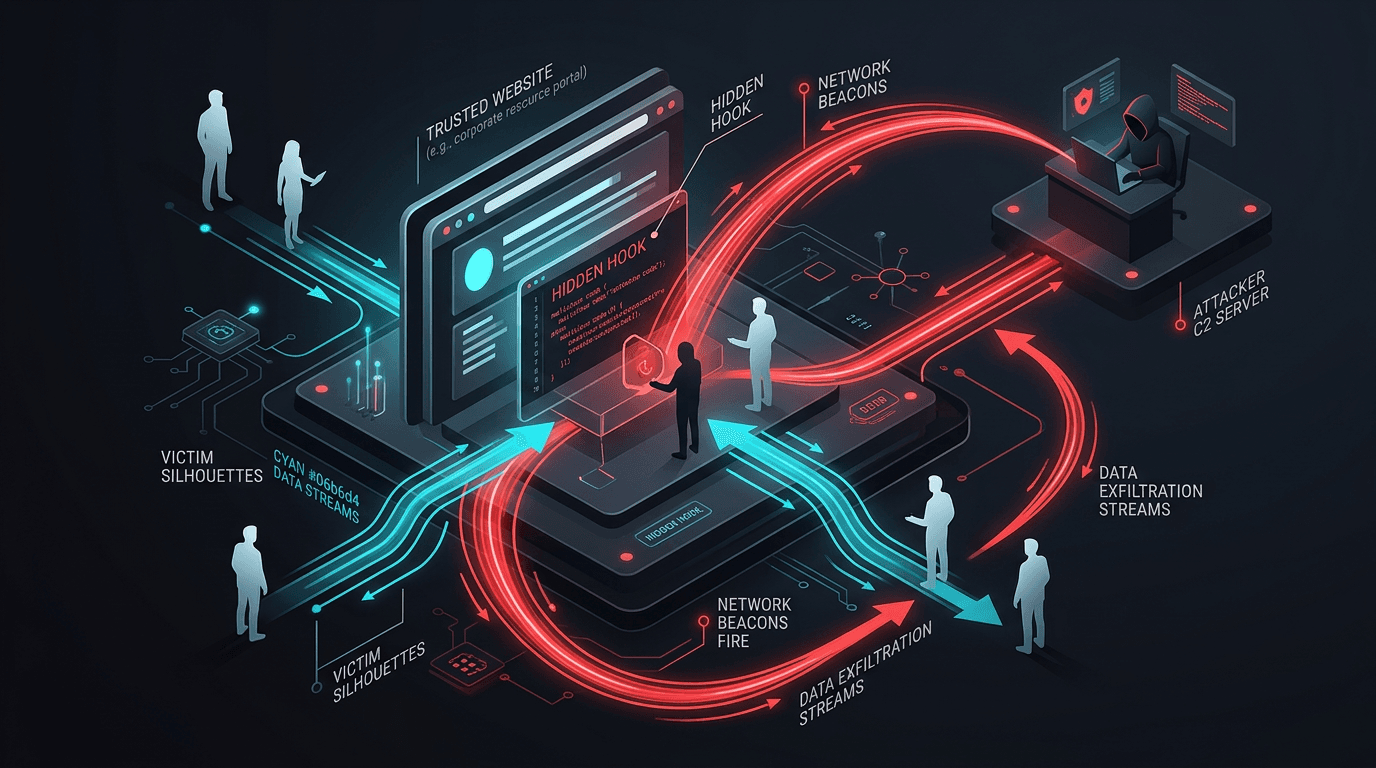
Watering Hole Attacks: Compromising the Sites Your Victims Already Trust
Instead of spear-phishing individuals, APTs infect websites their targets routinely visit. Learn how watering hole campaigns work and how to harden web supply chains and detection.
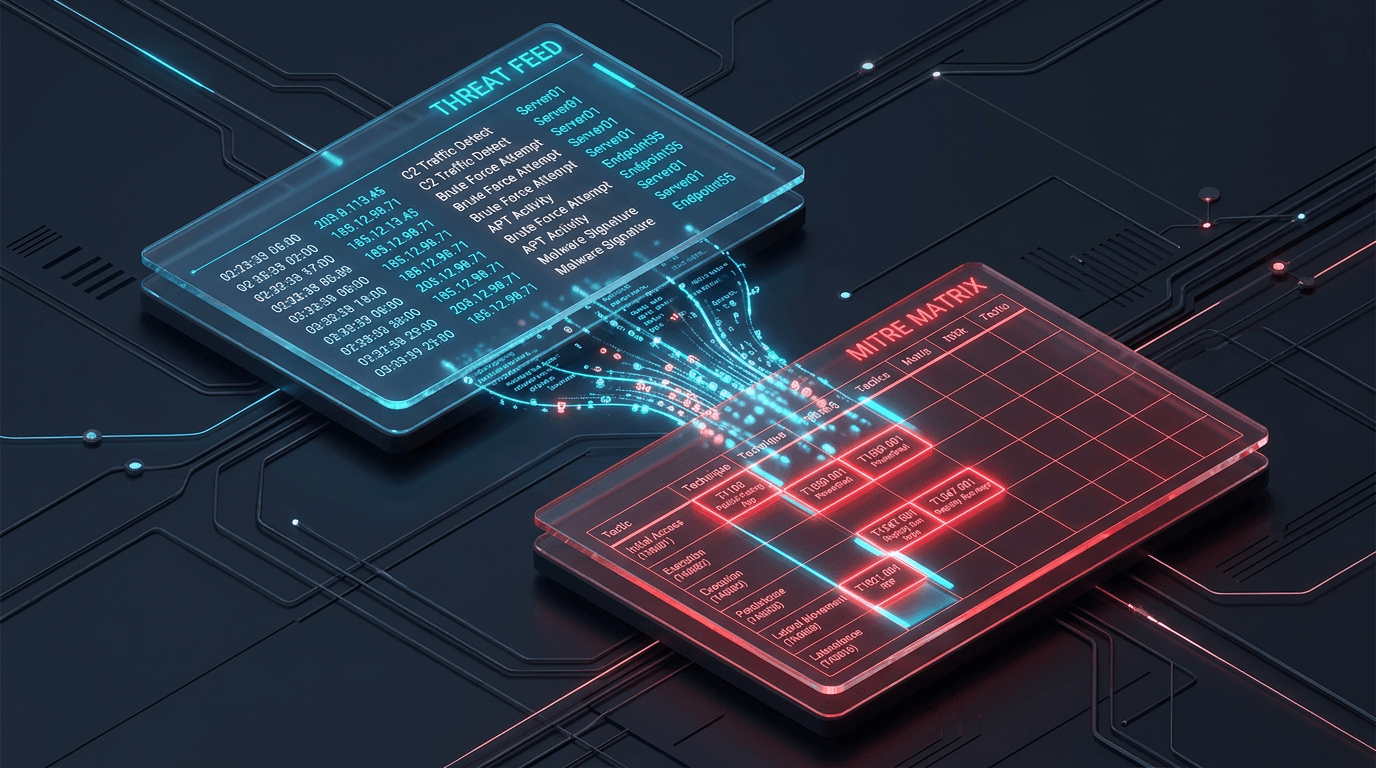
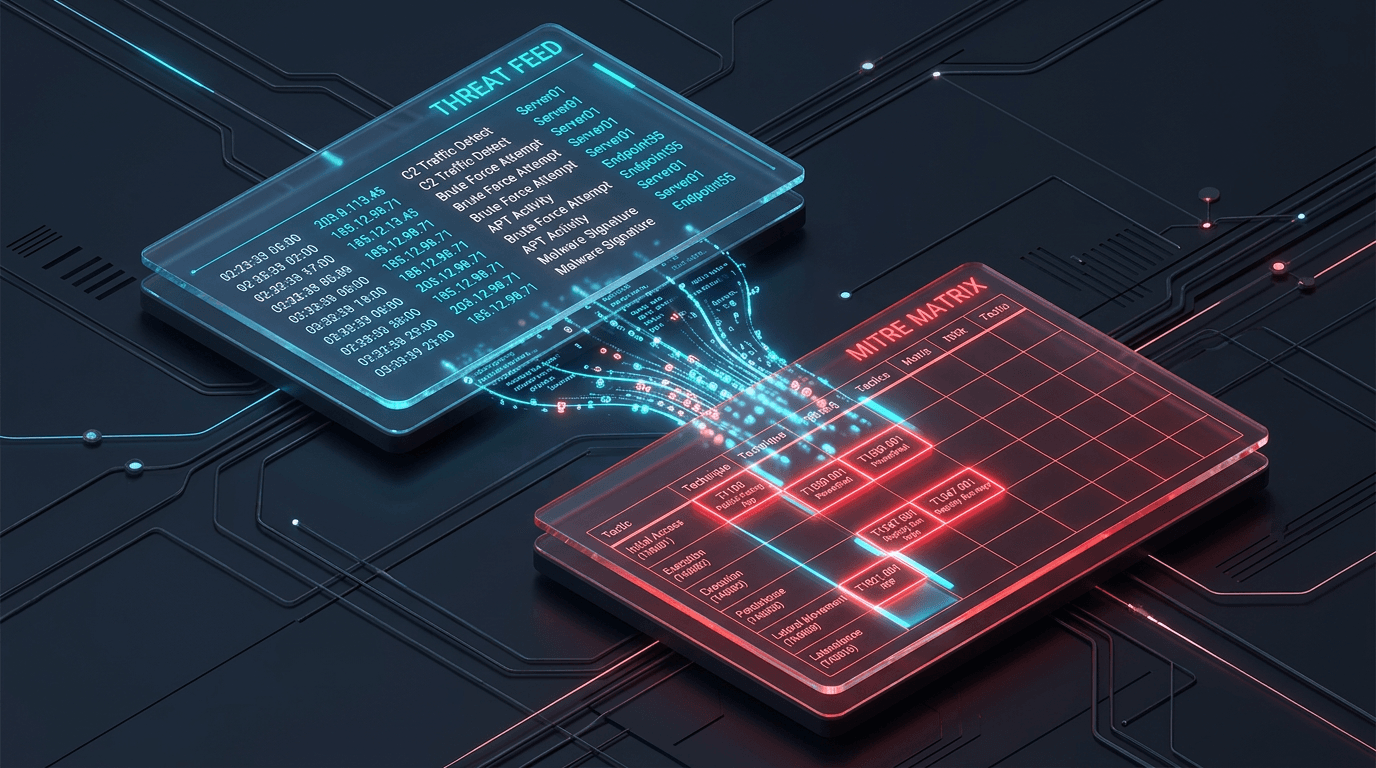
Integrating MITRE ATT&CK with Real-Time Threat Feeds
Bridge the gap between strategic frameworks and tactical defense. Learn how to map real-time threat feeds directly to the MITRE ATT&CK matrix.
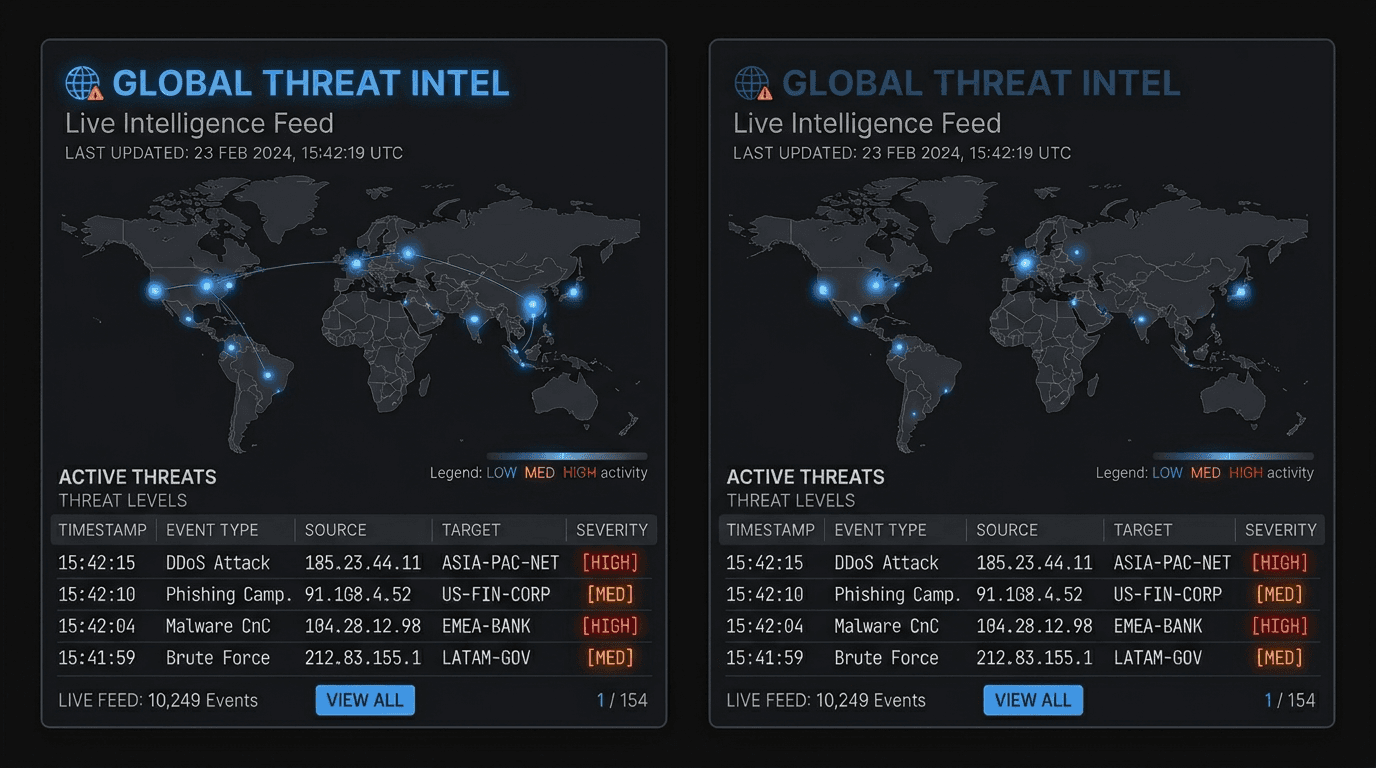
The Evolution of Threat Intelligence in 2026
Threat intelligence has moved beyond simple blocklists. Explore how AI, context, and real-time integration are shaping the future of cyber defense.
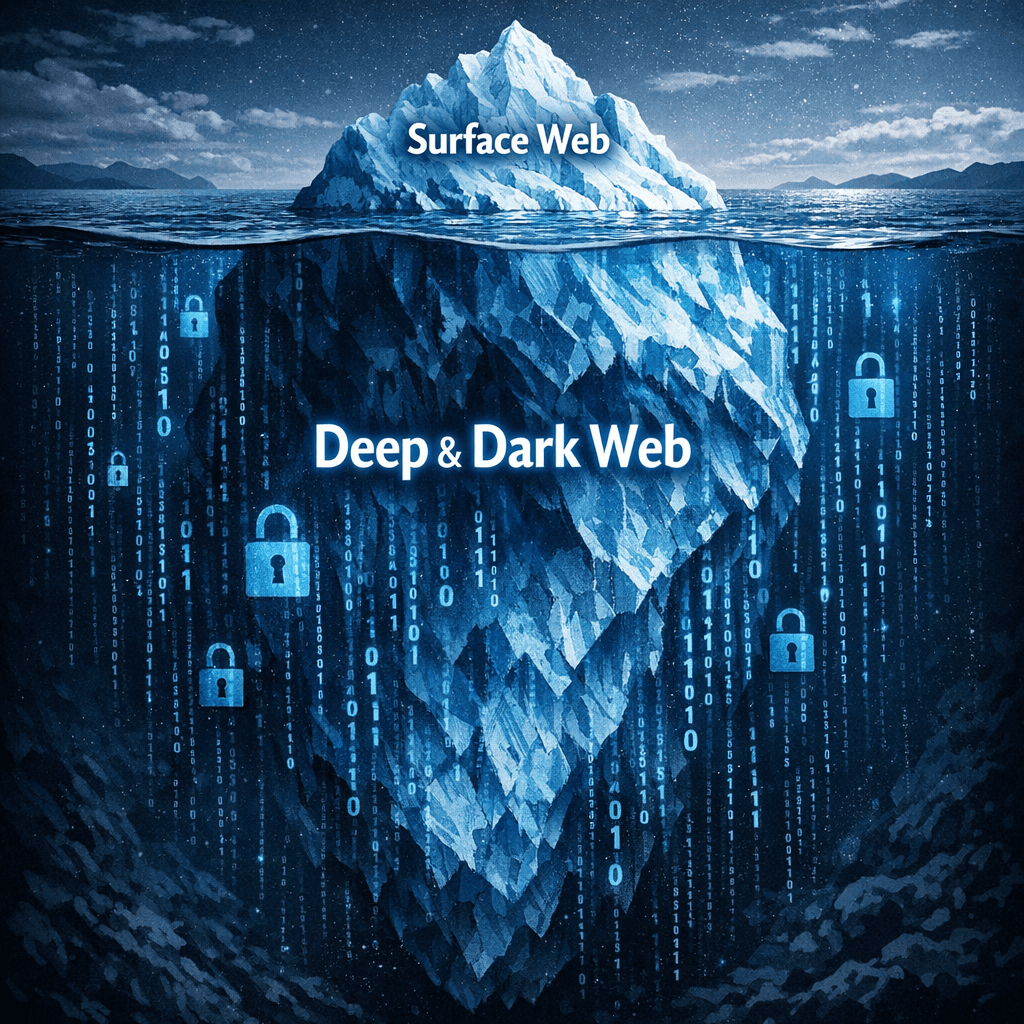
The Dark Web vs. Deep Web: Where Do Cyber Threats Hide?
Confused by the Dark Web and Deep Web? We explain the difference and where cyber threats like stolen credentials and malware actually live.
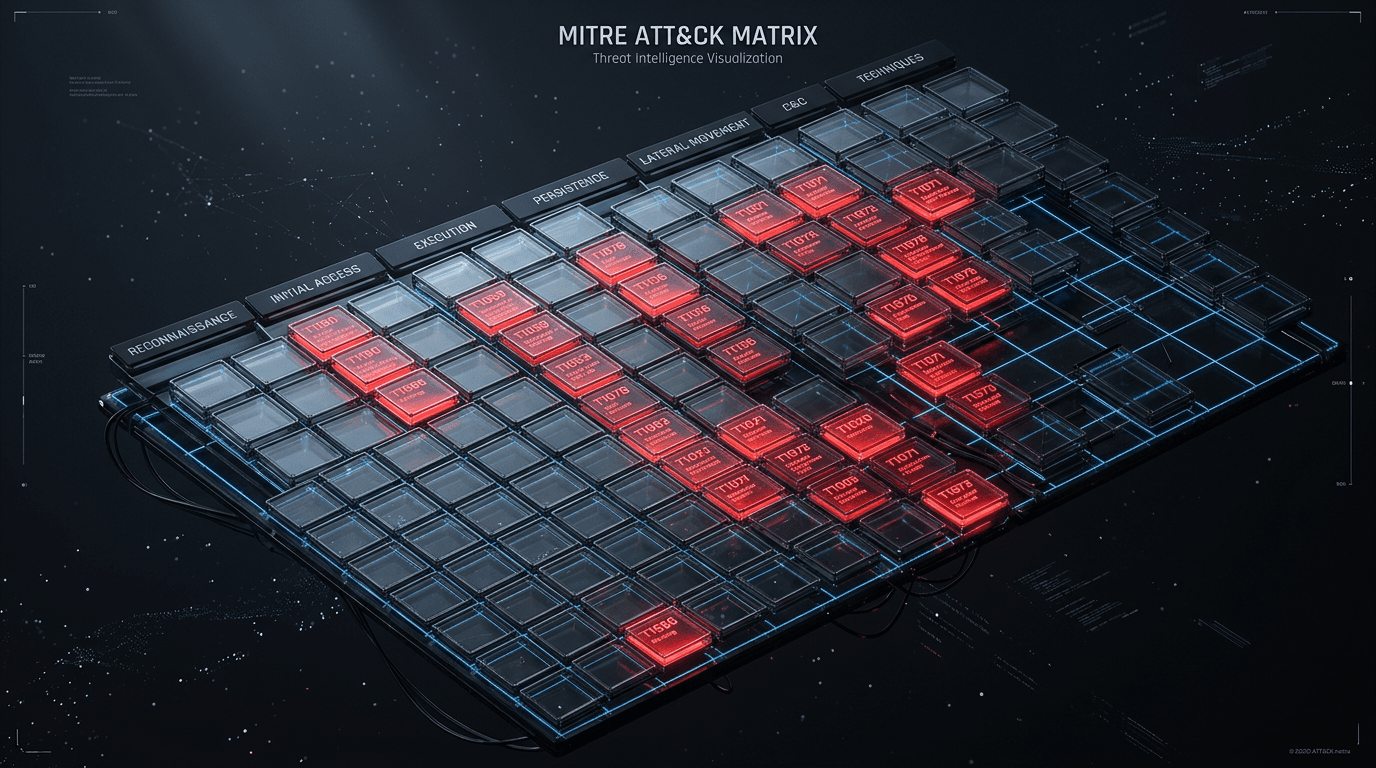
Mapping Your Defenses with MITRE ATT&CK
The MITRE ATT&CK framework is the gold standard for understanding adversary behavior. Discover how to map your defenses to specific techniques.
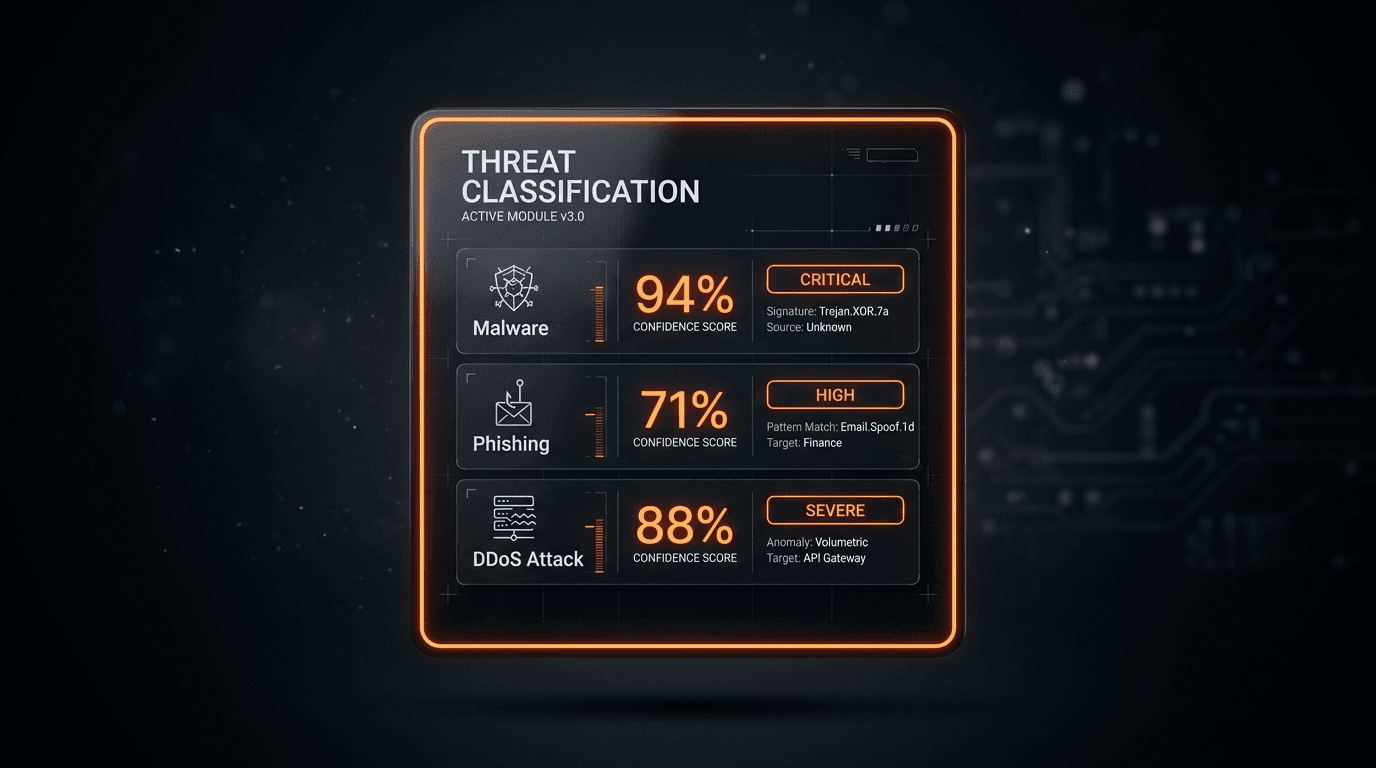
Understanding Threat Classification: A Guide for Modern SOCs
Effective threat classification is the cornerstone of a modern SOC. Learn how to categorize threats to reduce steps in incident response and reduce alert fatigue.

Threat Intelligence Sharing: How Organizations Fight Back Together
No single organization can monitor every threat alone. Learn how information sharing communities (ISACs), standard protocols like STIX/TAXII, and commercial threat feeds form a collaborative shield against adversaries.

VirusTotal Alternative for SOC Automation
VirusTotal or isMalicious? Compare IP, domain, URL, and hash reputation, API limits, and pricing — and when each one is the right tool.

AbuseIPDB Alternative: IPs, Domains & URLs
AbuseIPDB covers IPs only. See how isMalicious compares on domain and URL coverage, free-tier limits, enrichment, and monitoring — side by side.

AlienVault OTX Alternative, API-First
OTX is community pulses; isMalicious is a verdict API that reads OTX among its sources. Compare IOC enrichment, integrations and rate limits, and when to use each.

isMalicious vs Shodan: Threat Reputation vs Attack Surface Discovery
Shodan maps internet-connected devices. isMalicious checks if IPs and domains are malicious. Compare these complementary threat intelligence tools across features, use cases, and pricing to choose the right one.

Automating Threat Intelligence: Speed is Your Best Defense
Manual analysis cannot keep up with machine-speed attacks. Learn how to automate threat data ingestion and response to block threats in milliseconds, not minutes.

Contextual Threat Intelligence: Moving Beyond Static Blacklists
Static IP blacklists are no longer enough. Discover the power of contextual threat intelligence—connecting IPs, domains, and behavior to see the full attack picture.

Dark Web Monitoring: Protecting Your Brand and Detecting Leaked Data
Stolen credentials and sensitive data often surface on the dark web before being exploited. Learn how dark web monitoring helps detect breaches early and protect your organization from cybercriminal activities.
Get new research by email
New articles and product news, straight to your inbox.