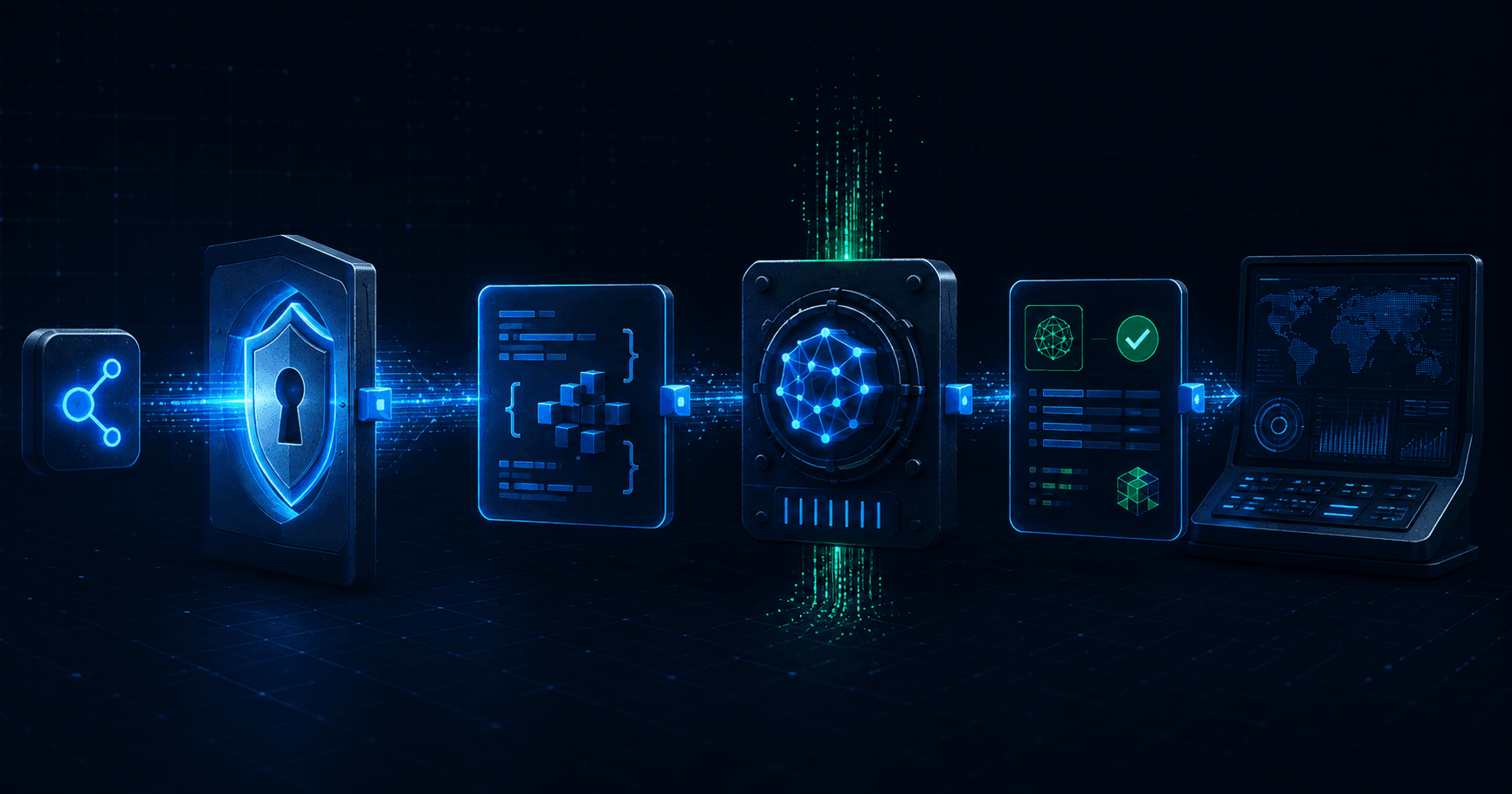
isMalicious API: Make Your First Reliable IOC Lookup
Call the current isMalicious IOC endpoint safely, handle failures, log useful evidence, and move from a terminal test to production.
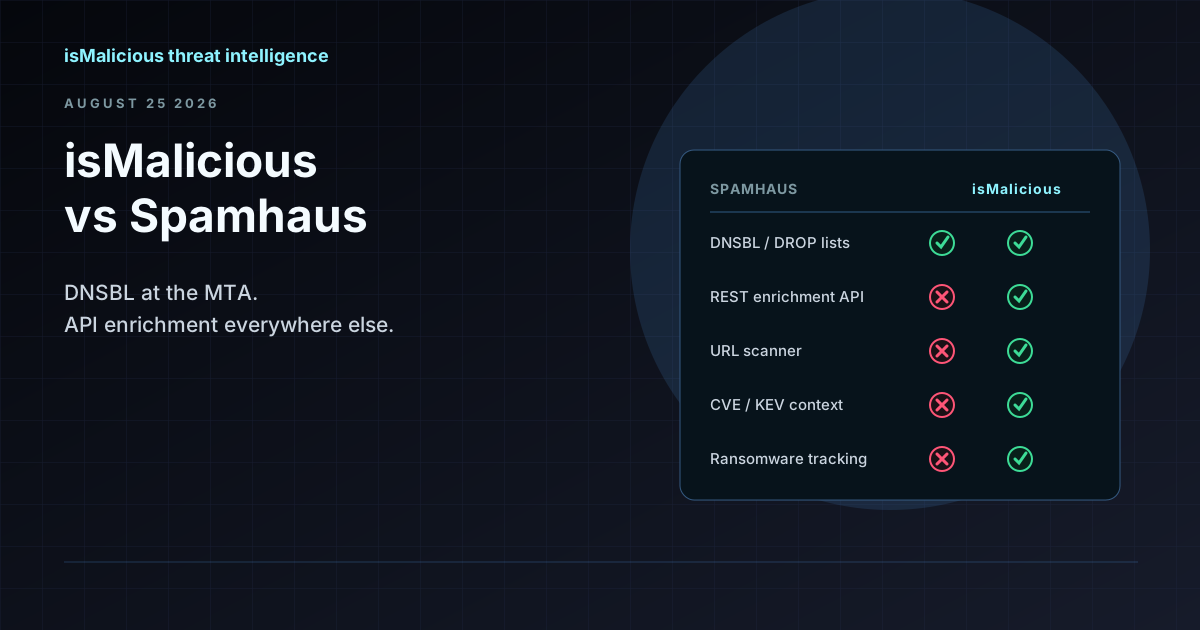
isMalicious vs Spamhaus: DNSBL Blocklists and Threat Enrichment Serve Different Layers
Spamhaus DROP and SBL are the standard for mail and network DNSBL blocking. isMalicious adds REST enrichment, URL scoring, CVE context, and STIX feeds. Most mature stacks use both at different layers.
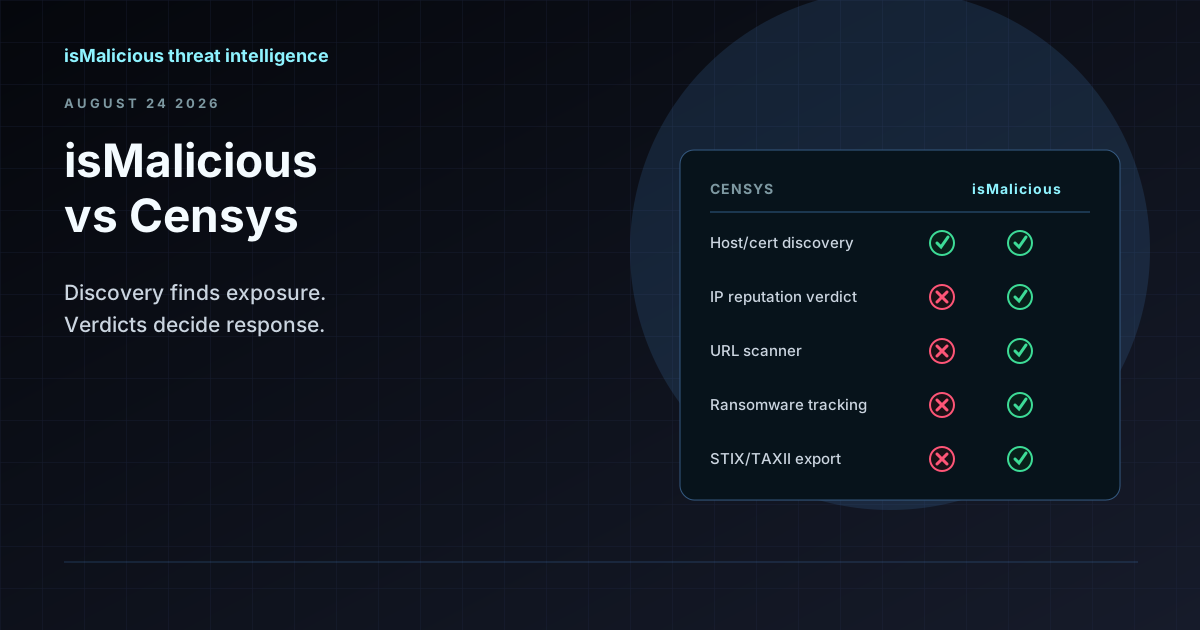
isMalicious vs Censys: Internet Discovery and Reputation Verdicts Are Different Jobs
Censys maps what exists on the internet — hosts, certificates, open ports. isMalicious assesses what is malicious. Most teams comparing the two need the second question answered, not the first.
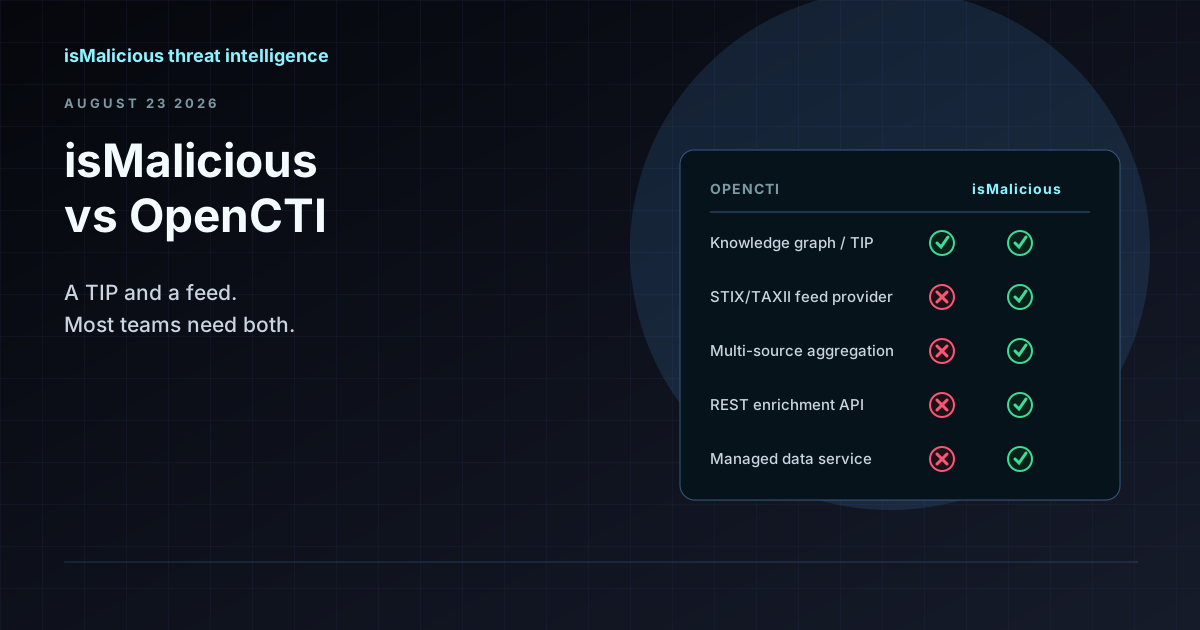
isMalicious vs OpenCTI: Why This Is the Wrong Comparison (and How They Work Together)
OpenCTI is a threat intelligence platform and knowledge graph. isMalicious is a data provider that feeds it. Teams searching for an OpenCTI alternative usually need a feed, not a replacement TIP.
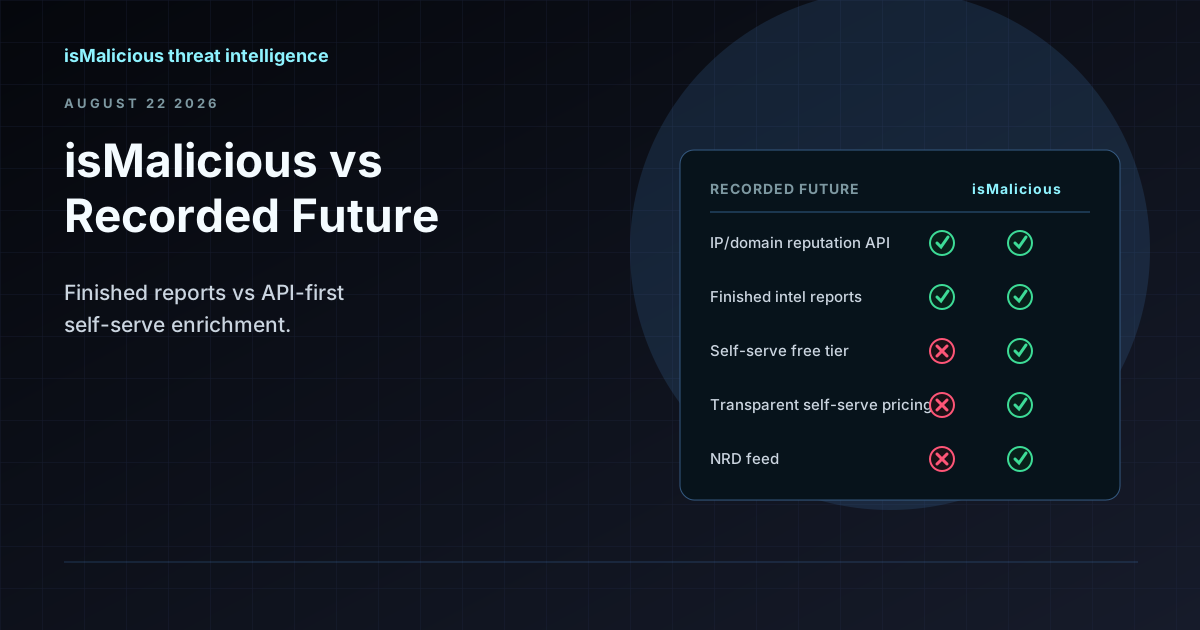
isMalicious vs Recorded Future: When a Threat Data API Makes More Sense Than an Enterprise Intel Program
Recorded Future delivers finished intelligence and analyst support at enterprise scale. isMalicious delivers self-serve enrichment and feeds without a sales cycle. The right choice depends on whether you need strategic reports or automated verdicts.
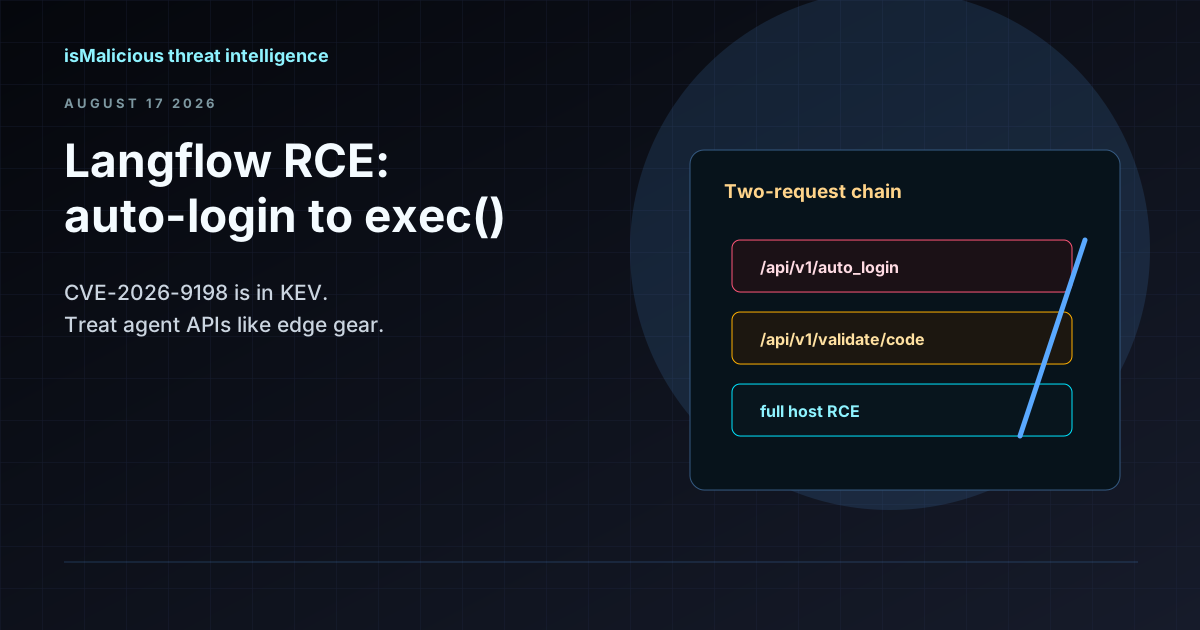
CVE-2026-9198 Gives Unauthenticated RCE in IBM Langflow OSS Agent Control Planes
A SUPERUSER token minted through /api/v1/auto_login chains with Python exec() in /api/v1/validate/code. Langflow 1.10.1 fixes the flaw — but internet-exposed instances need hunting now, not after the next sprint.
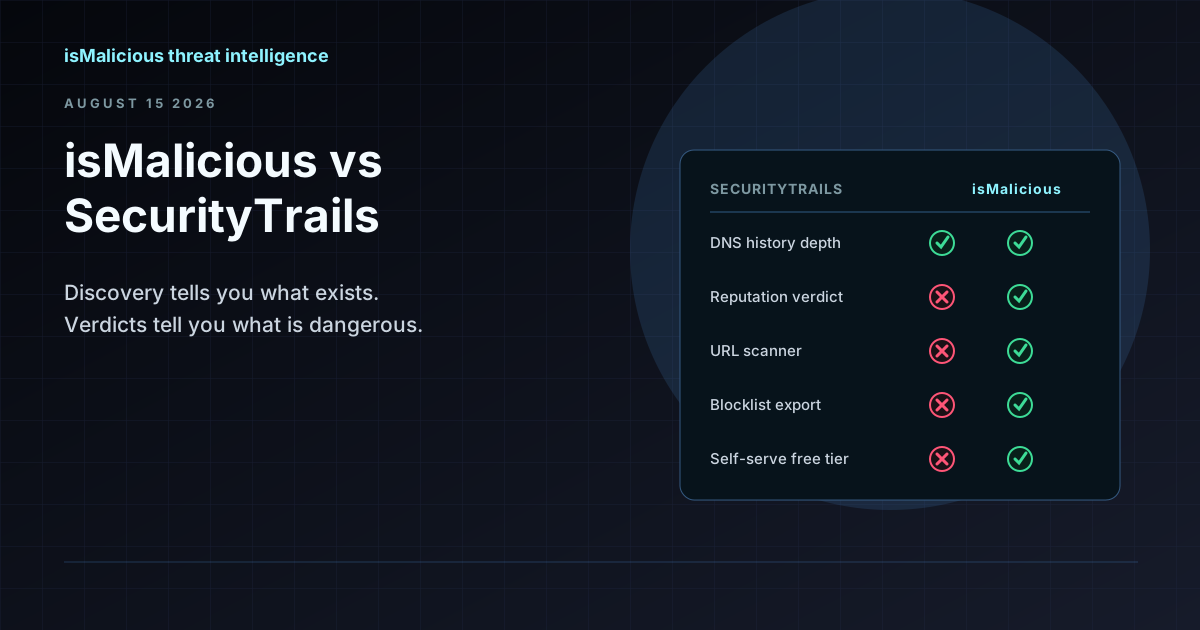
isMalicious vs SecurityTrails: Discovery Data and Reputation Verdicts Are Not the Same Product
SecurityTrails tells you what exists — every subdomain, every historical DNS record. isMalicious tells you what is dangerous. Most teams searching for a SecurityTrails alternative want the second half.
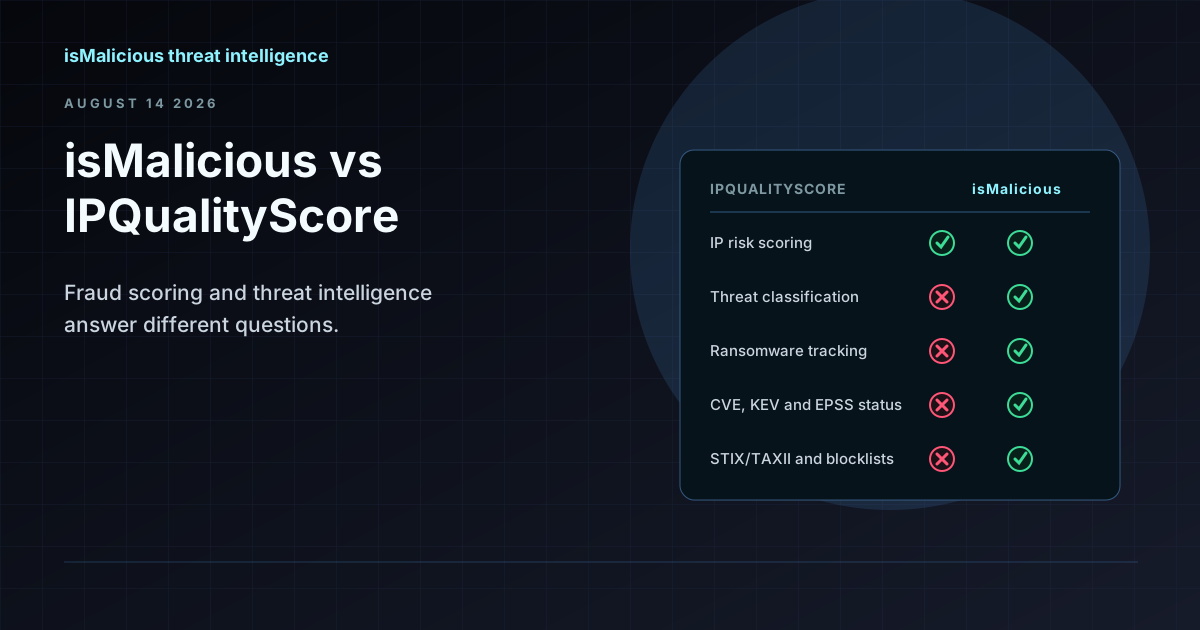
isMalicious vs IPQualityScore: Fraud Scoring and Threat Intelligence Are Different Jobs
IPQS scores whether a signup is fraudulent. isMalicious scores whether infrastructure is malicious. The two get compared constantly because both return a number about an IP address — and they answer different questions.
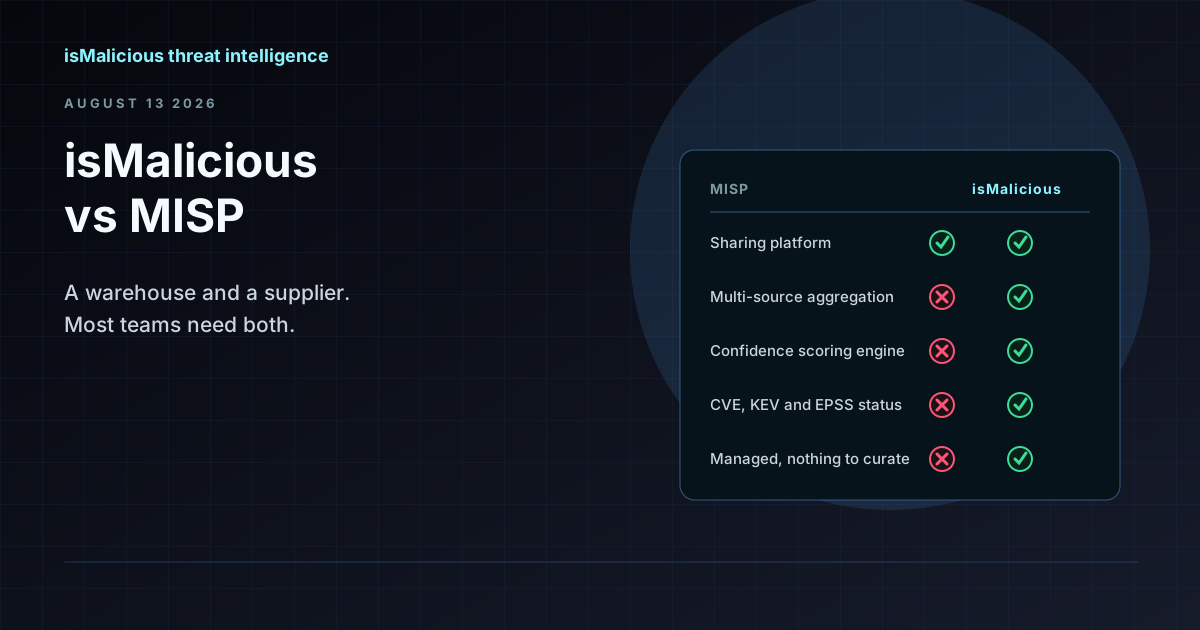
isMalicious vs MISP: Why This Is the Wrong Comparison (and What to Compare Instead)
MISP is where you store and share indicators. isMalicious is where indicators come from. Teams searching for a MISP alternative are usually looking for a feed, not a replacement platform.
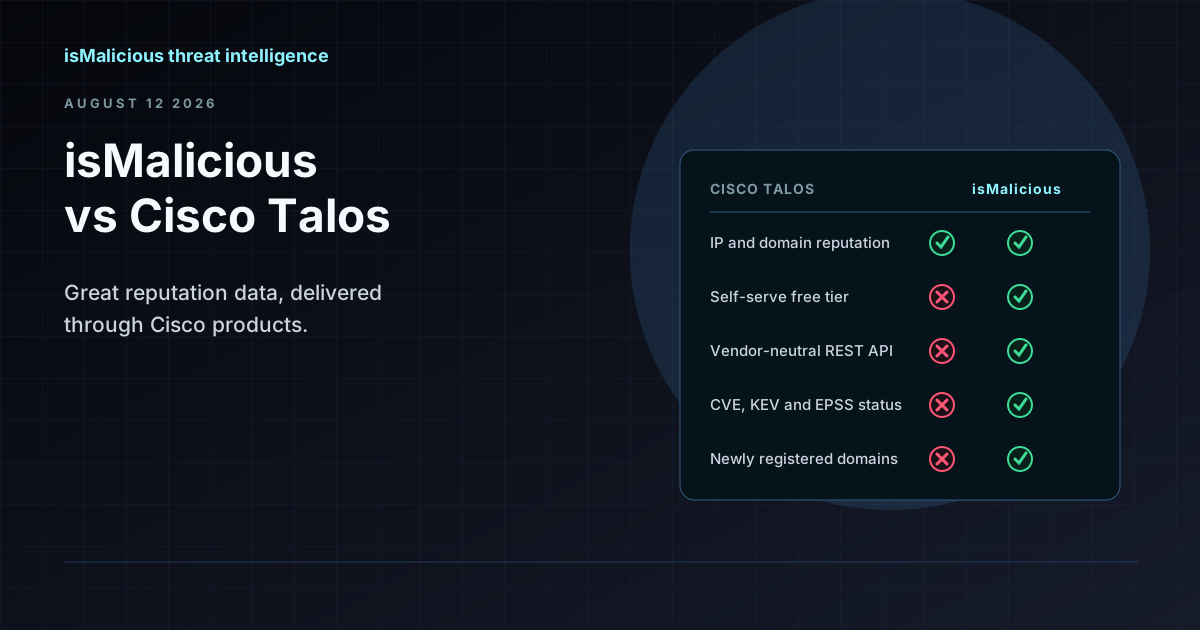
isMalicious vs Cisco Talos: Reputation Lookups Outside the Cisco Stack
Talos reputation is excellent and it lives inside Cisco products. If your stack is not Cisco, or you need an API rather than a web form, that is where the comparison starts.
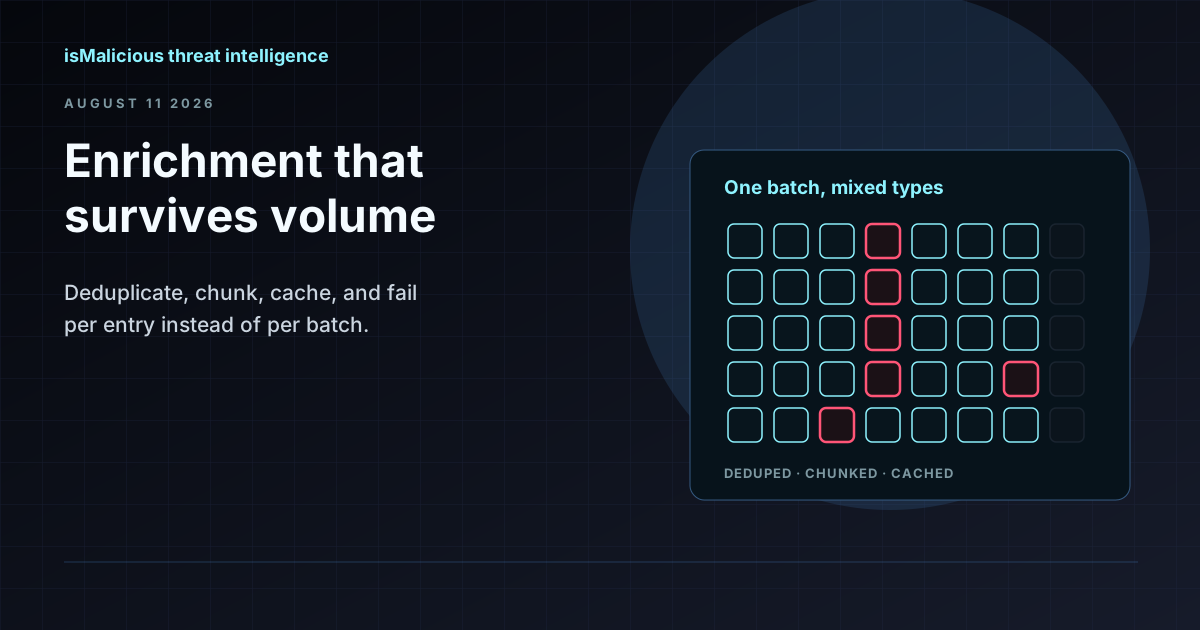
Bulk IP and Domain Lookups: Designing Indicator Enrichment That Survives Real Volume
One incident produces hundreds of indicators, and per-indicator lookups are where triage stalls. Here is how to build a batch enrichment pipeline that respects quotas, deduplicates properly, and fails gracefully.

urlscan.io vs isMalicious: URL Scanning
urlscan.io captures what a page does; isMalicious tells you if it is malicious. Verdicts, redirect chains, and blocklists compared.

isMalicious vs GreyNoise: IP Noise Scoring and Threat Intelligence API Compared
GreyNoise tags internet background noise; isMalicious adds verdicts, WHOIS, DNS history, and ransomware context. A SOC-focused comparison for triage teams.
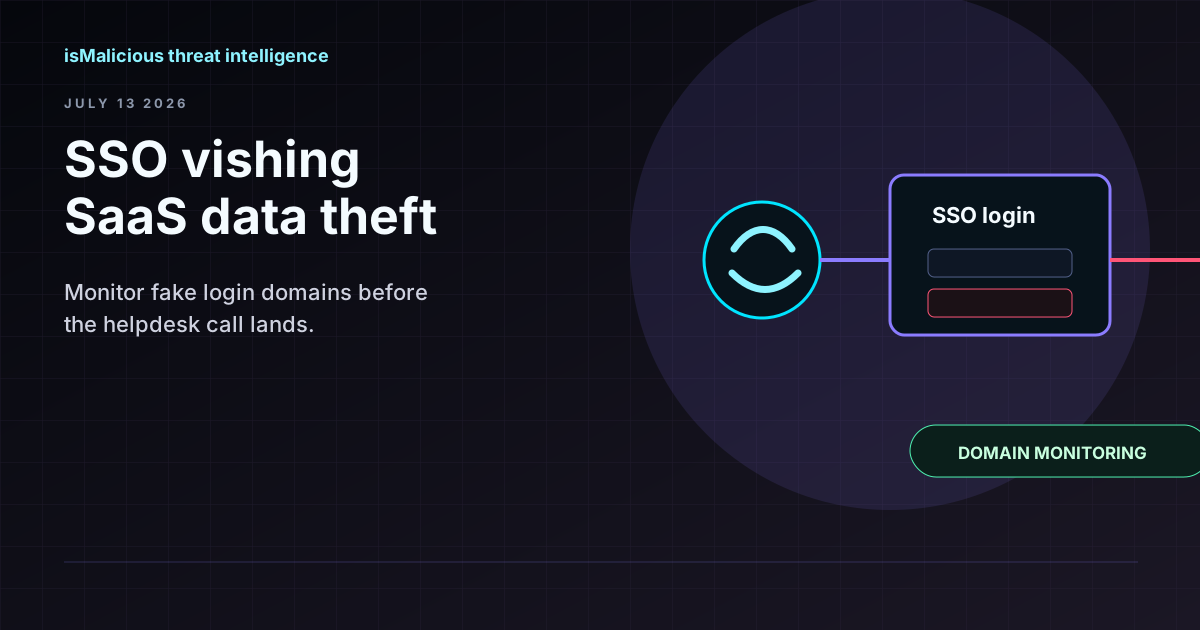
SSO Vishing And SaaS Data Theft: Domain Monitoring Before The Helpdesk Call
ShinyHunters-style SSO vishing shows how fake login domains, MFA enrollment abuse, and SaaS access can become data theft. Domain monitoring gives defenders early warning.
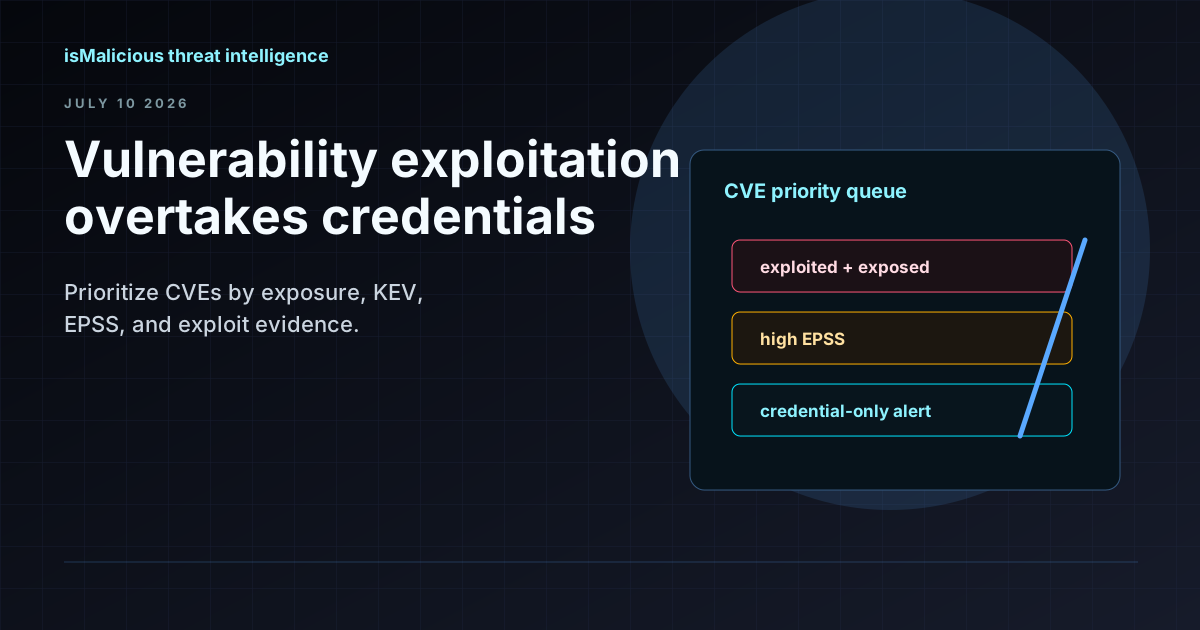
When Vulnerability Exploitation Overtakes Credentials: CVE Prioritization In 2026
Verizon DBIR reporting highlights vulnerability exploitation as a top breach path. CVE Watch, KEV, EPSS, and exposure context help teams patch what attackers actually use.
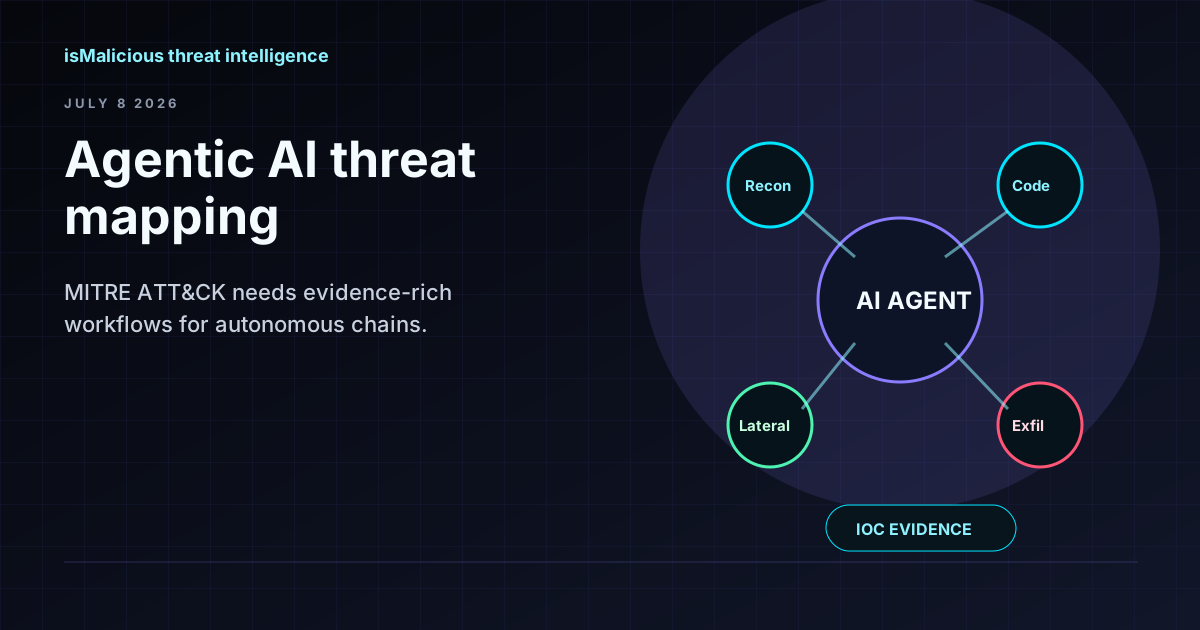
Agentic AI Threat Mapping: MITRE ATT&CK Needs Evidence-Rich Workflows
Anthropic mapped AI-enabled cyber activity to MITRE ATT&CK and found gaps around autonomous orchestration. SOC teams need AI summaries tied to evidence, not unsupported verdicts.
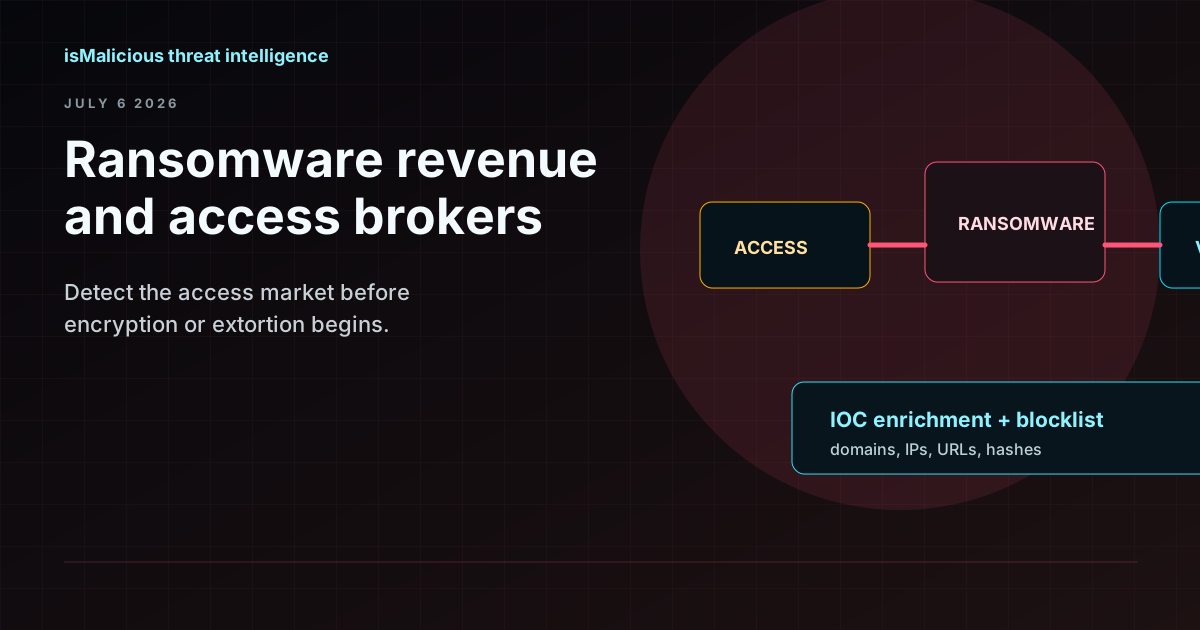
Ransomware Revenue Is Rising: Initial Access Brokers Make Threat Intelligence Urgent
Q1 2026 ransomware revenue reporting points to a mature access market. Defenders need ransomware intelligence, domain monitoring, blocklists, and API enrichment before encryption begins.
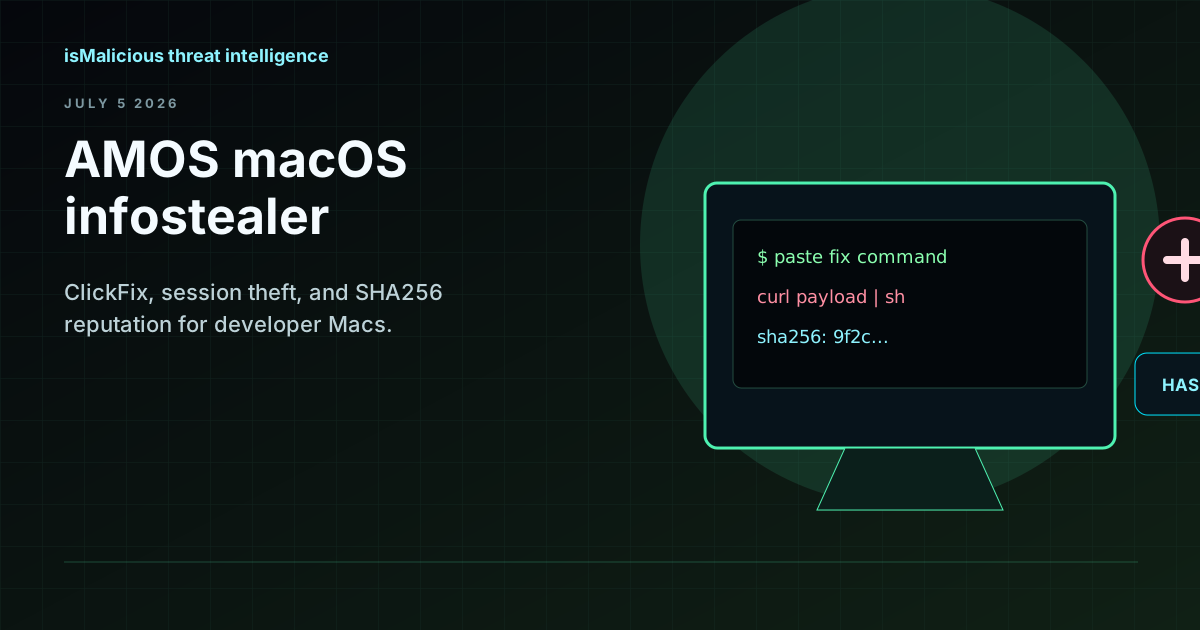
AMOS macOS Infostealer: ClickFix Shows Why Hash Reputation Must Cover Developer Macs
AMOS and related macOS infostealers are turning social engineering into credential theft. File hash reputation, URL scanning, and domain intelligence help teams respond before stolen tokens spread.
BlueHammer Defender Exploitation: July 2026 Patch SLA For Windows Fleets
BlueHammer coverage shows why endpoint patching, CISA KEV context, CVE Watch, and IOC enrichment have to work together when local privilege escalation becomes ransomware tradecraft.
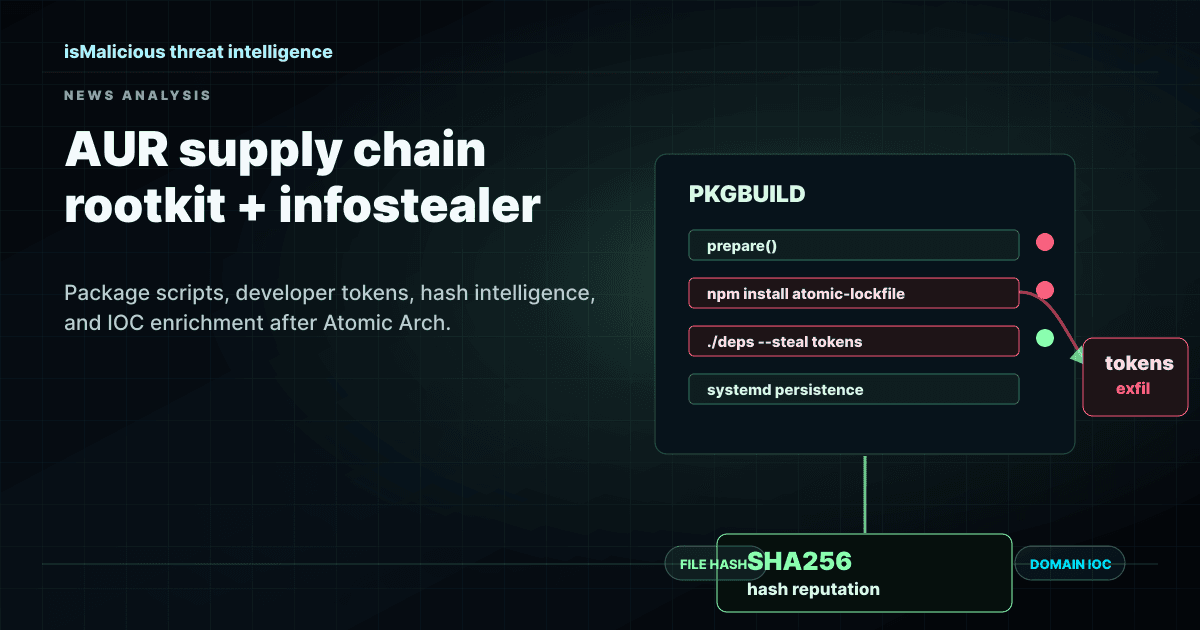
Arch AUR Rootkit And Infostealer Campaign: Supply Chain Defense Starts With Hash Intelligence
The June 2026 Arch User Repository compromise shows why supply chain security needs package review, file hash reputation, developer credential protection, and fast IOC enrichment.
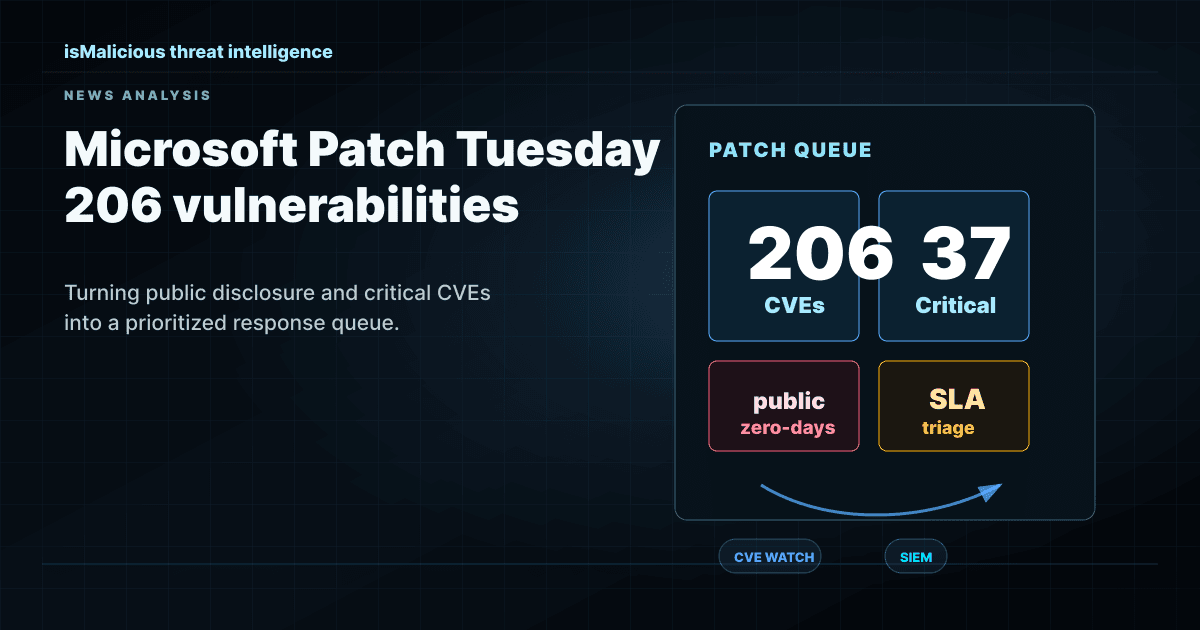
Microsoft June 2026 Patch Tuesday: Turning 206 Vulnerabilities Into A SOC Priority Queue
Microsoft patched 206 vulnerabilities in June 2026, including publicly disclosed zero-days. Security teams need CVE Watch, KEV context, exploit evidence, and enrichment to avoid patch fatigue.
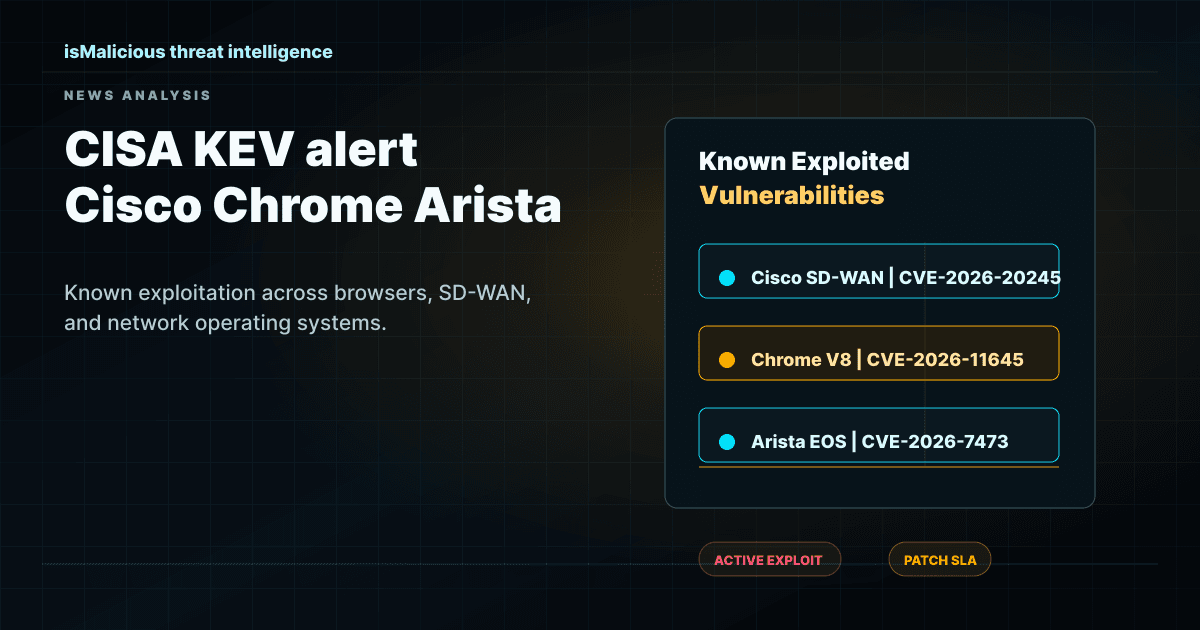
CISA KEV Adds Cisco, Chrome, And Arista Flaws: How To Prioritize Active Exploitation
CISA added Cisco SD-WAN, Google Chromium V8, and Arista EOS vulnerabilities to KEV in June 2026. Here is how SOC and vulnerability teams should turn that signal into action.
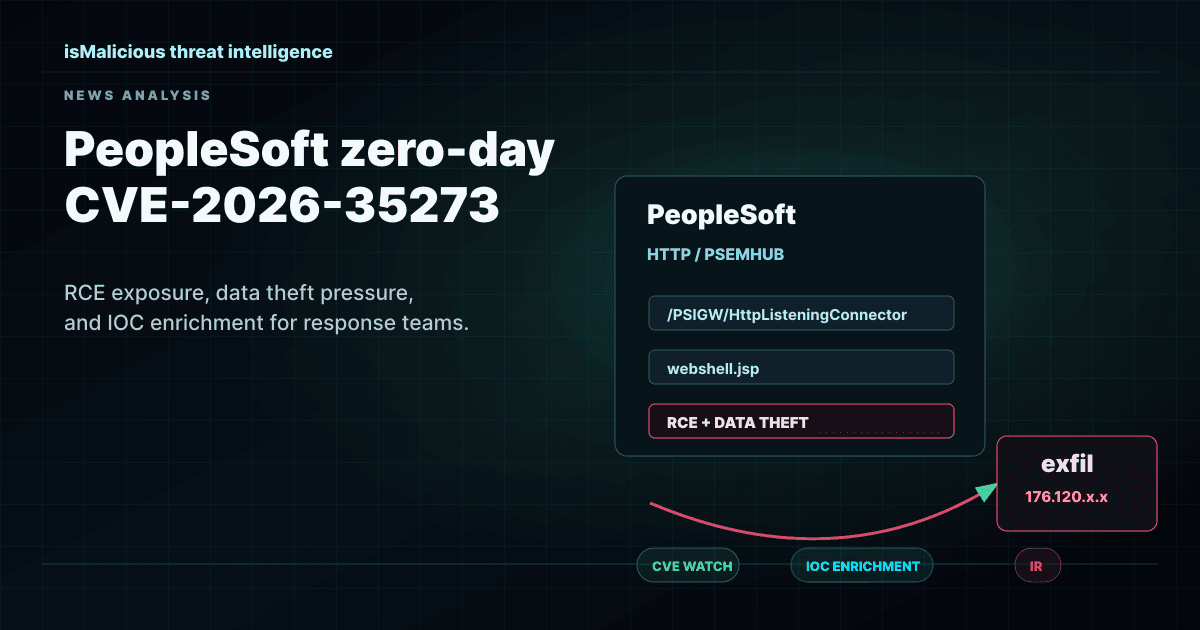
Oracle PeopleSoft Zero-Day: CVE-2026-35273 Shows Why CVE Watch Needs IOC Enrichment
The PeopleSoft CVE-2026-35273 exploitation reports show how vulnerability response, ransomware intelligence, IP enrichment, and incident response must work together.
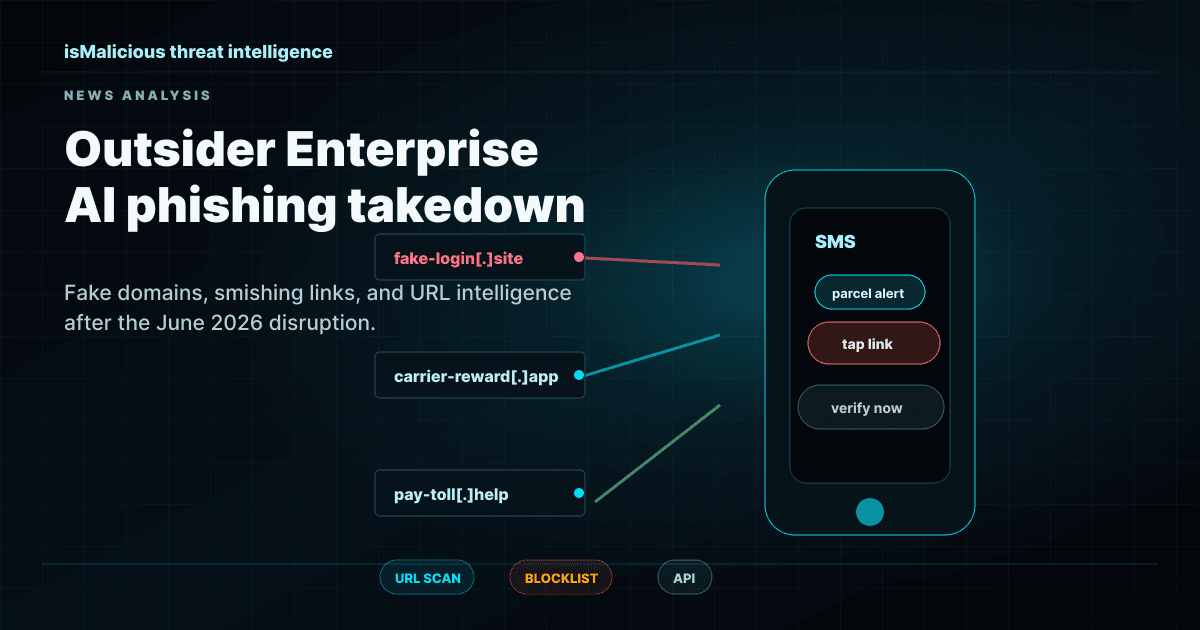
Outsider Enterprise Takedown: AI Phishing Infrastructure Is Now A Domain Reputation Problem
The FBI, Google, and Black Lotus Labs disruption of Outsider Enterprise shows why AI phishing defense needs URL scanning, domain reputation checks, blocklists, and fast API enrichment.
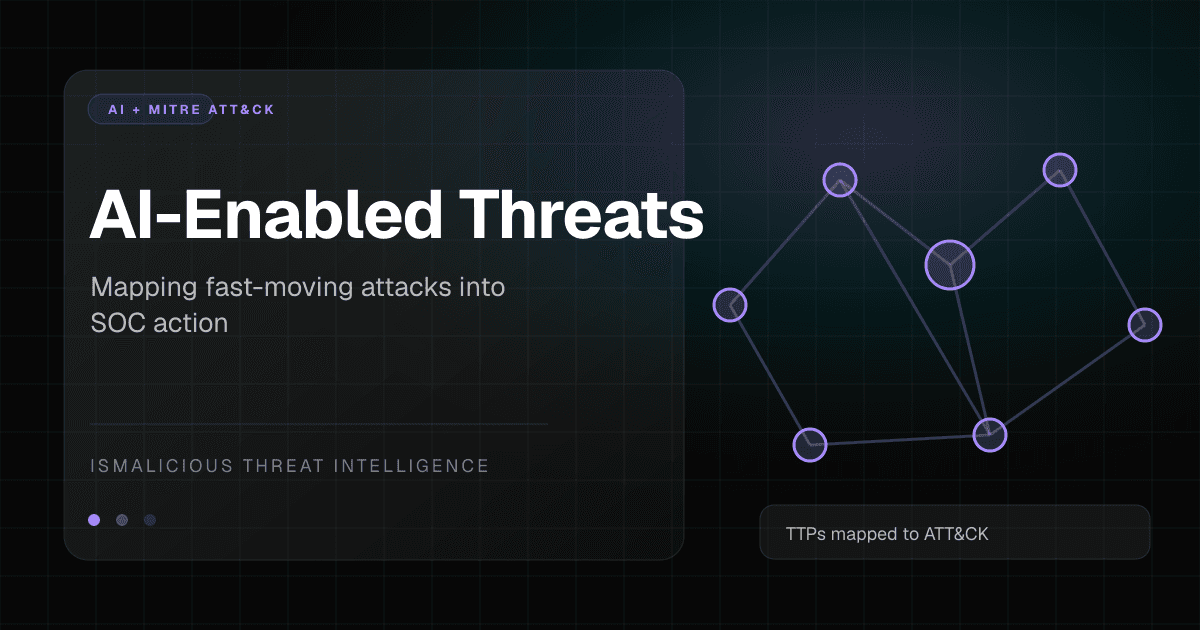
AI-Enabled Cyberattacks and MITRE ATT&CK: Turning New Threat Maps Into SOC Action
AI-enabled threats are being mapped into ATT&CK language, but mapping is only useful when it drives enrichment, detection, triage, and response workflows.
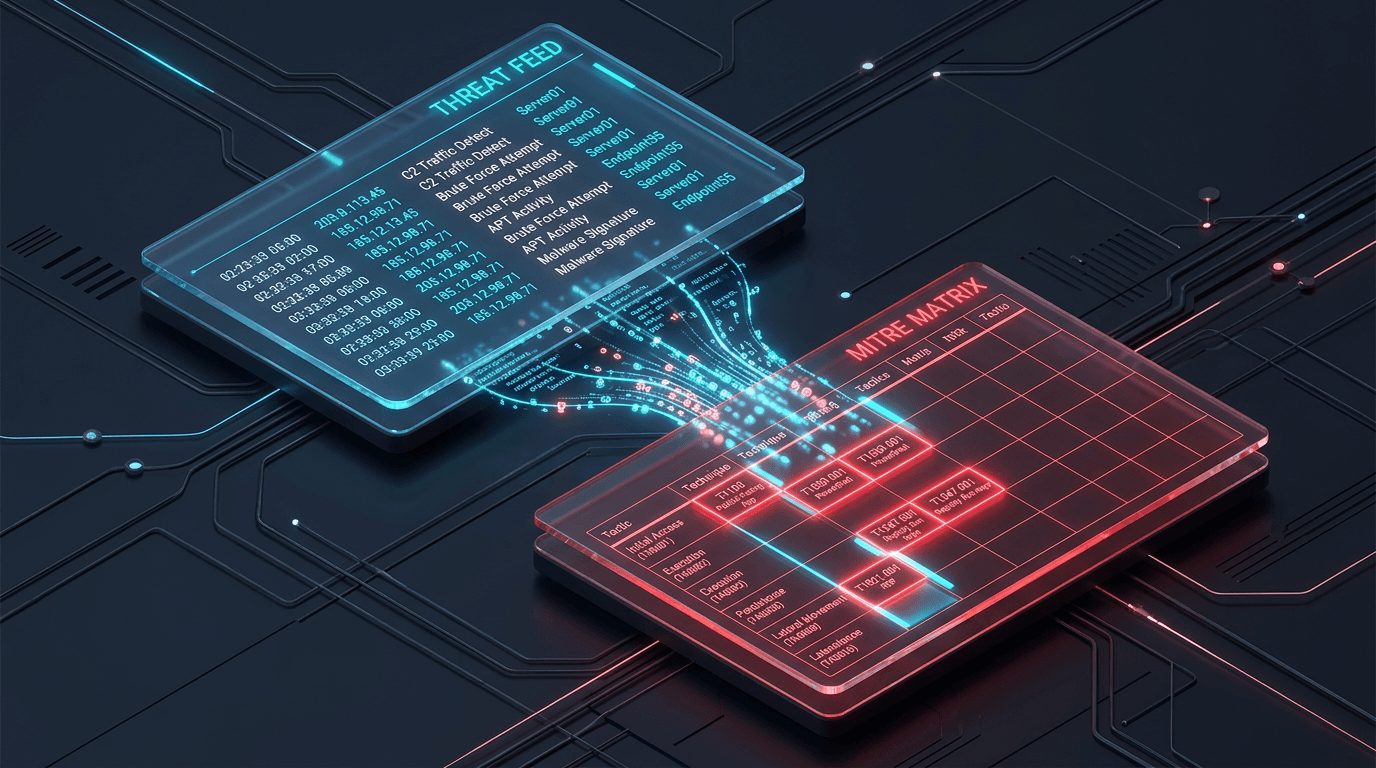
IOC Enrichment APIs: A Security Operations Guide to Faster Triage, Fewer False Positives, and Measurable ROI
An indicator without context is a ticket without an owner. Learn how IOC enrichment APIs work, which fields SOC teams need at each tier, and how to wire them into case management without building a data swamp.