Threat Intelligence Blog
Research, insights, and updates from the isMalicious team. Page 2 of 3.

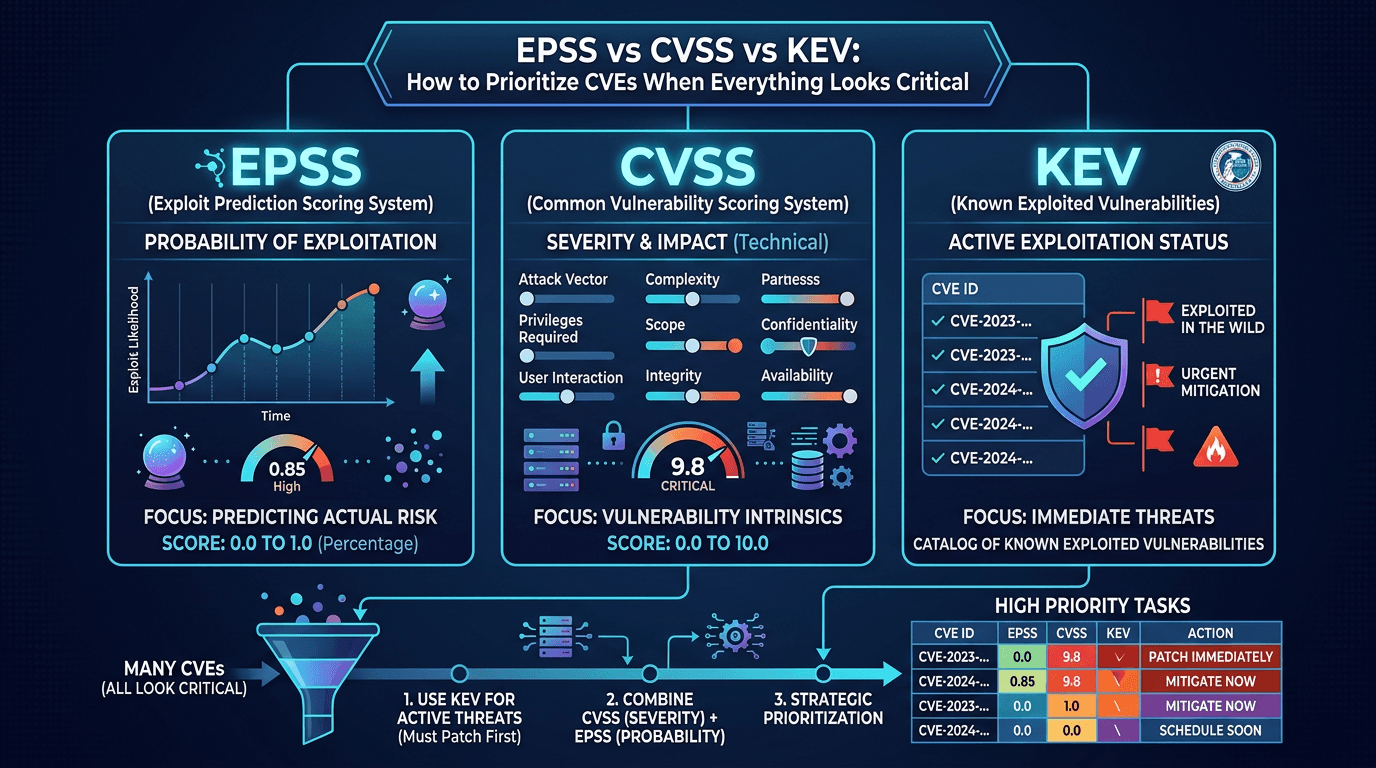
EPSS vs CVSS vs KEV: How to Prioritize CVEs When Everything Looks Critical
Cut through scoring confusion: compare CVSS severity, EPSS exploit probability, and CISA KEV active exploitation—and learn a practical model for patch and compensating-control decisions.
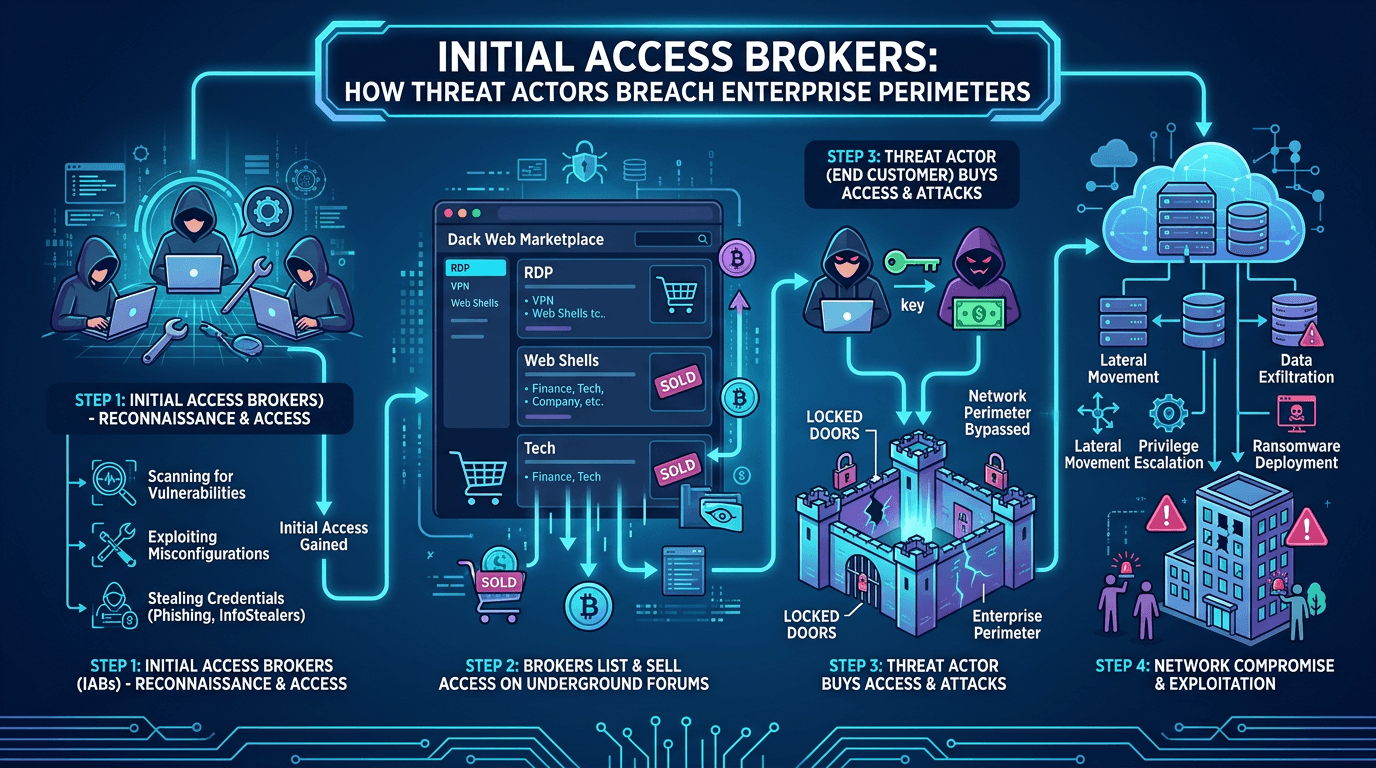
Initial Access Brokers: How Threat Actors Breach Enterprise Perimeters in 2026
A deep dive into initial access brokers (IABs)—the cybercrime specialists who sell footholds into corporate networks—covering their techniques, pricing, detection signals, and how to defend against the top attack vectors they exploit.
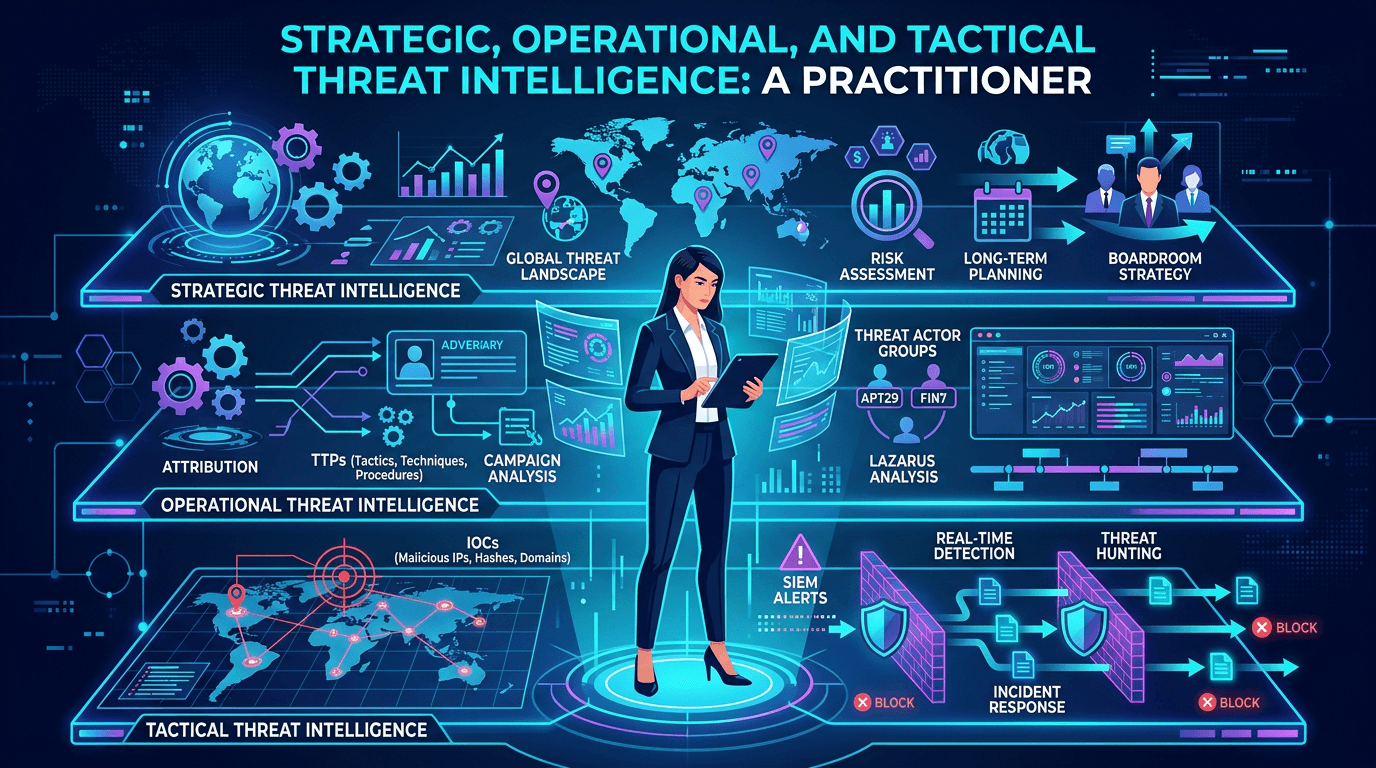
Strategic, Operational, and Tactical Threat Intelligence: A Practitioner's Framework for 2026
A complete guide to the three levels of threat intelligence—strategic, operational, and tactical—with practical examples of consumers, outputs, feeds, and how to connect them into a coherent CTI program.
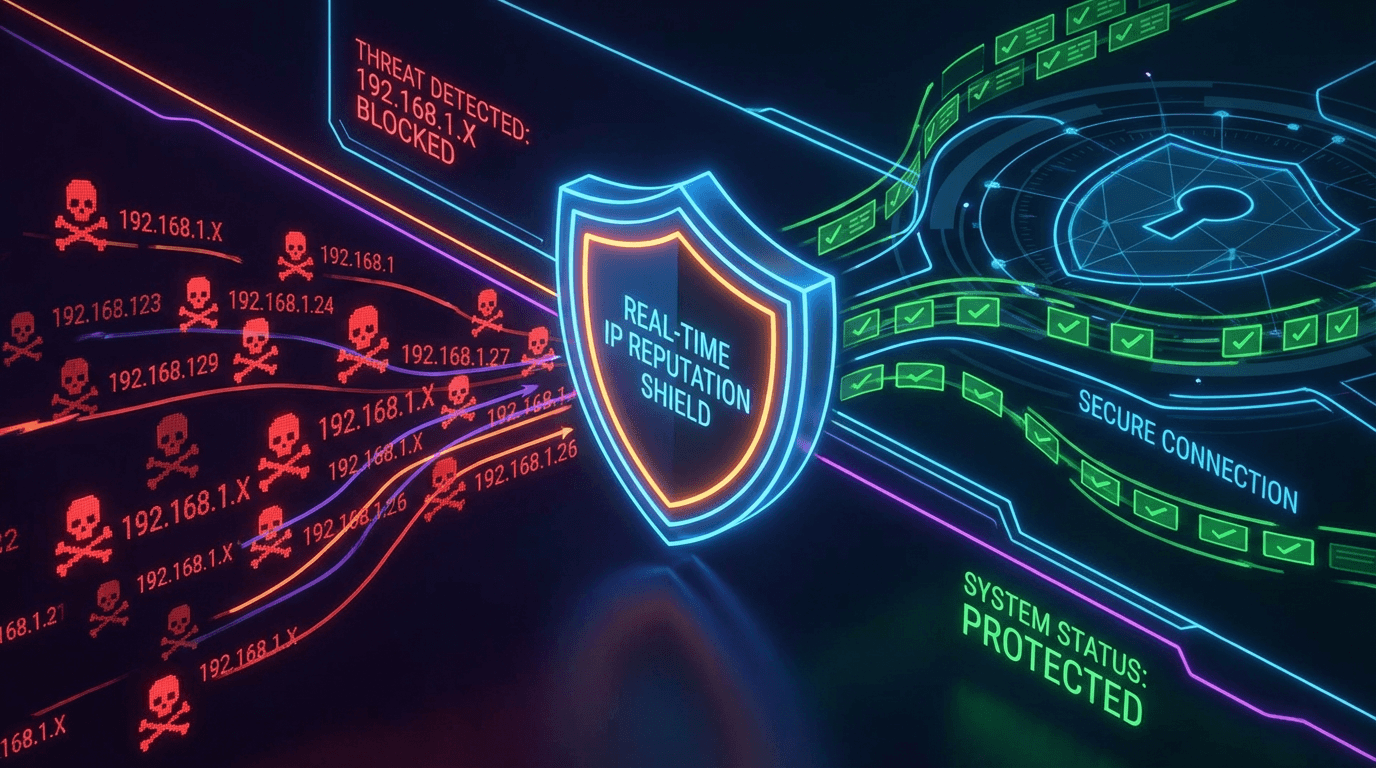
Real-Time IP Reputation Check: Stop Cyber Threats at the Network Edge
Real-time IP reputation checks give you the power to identify and block malicious actors the moment they connect to your systems. Discover how to implement automated threat detection that works at machine speed, not analyst speed.

Cognitive Hacking: The Battle for Your Mind
Cognitive hacking targets the user, not the machine. It manipulates perception and decision-making through disinformation and psychological triggers.

The Splinternet: Navigating a Fragmented World Wide Web
The global internet is fracturing into regional, regulated intranets. We explore the rise of the "Splinternet" and its impact on cybersecurity and global business.
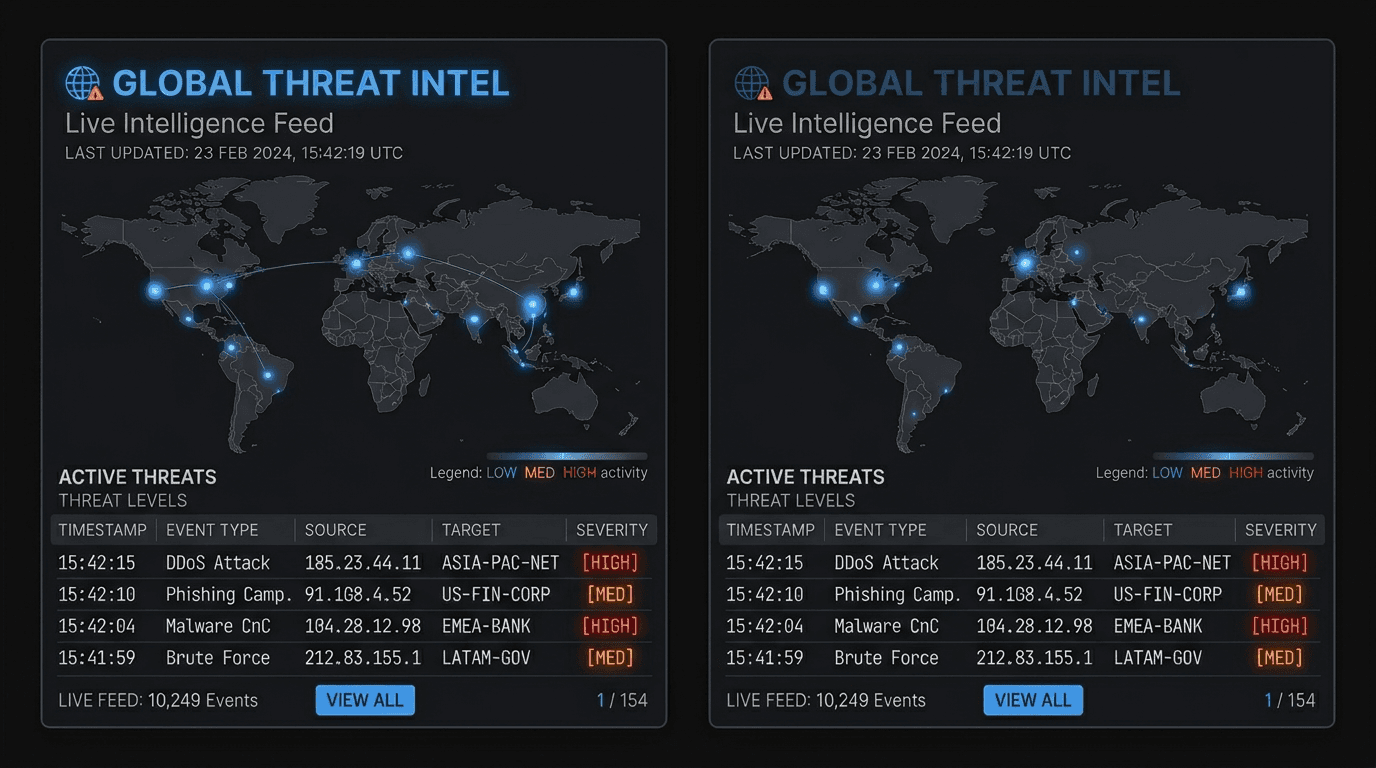
The Evolution of Threat Intelligence in 2026
Threat intelligence has moved beyond simple blocklists. Explore how AI, context, and real-time integration are shaping the future of cyber defense.
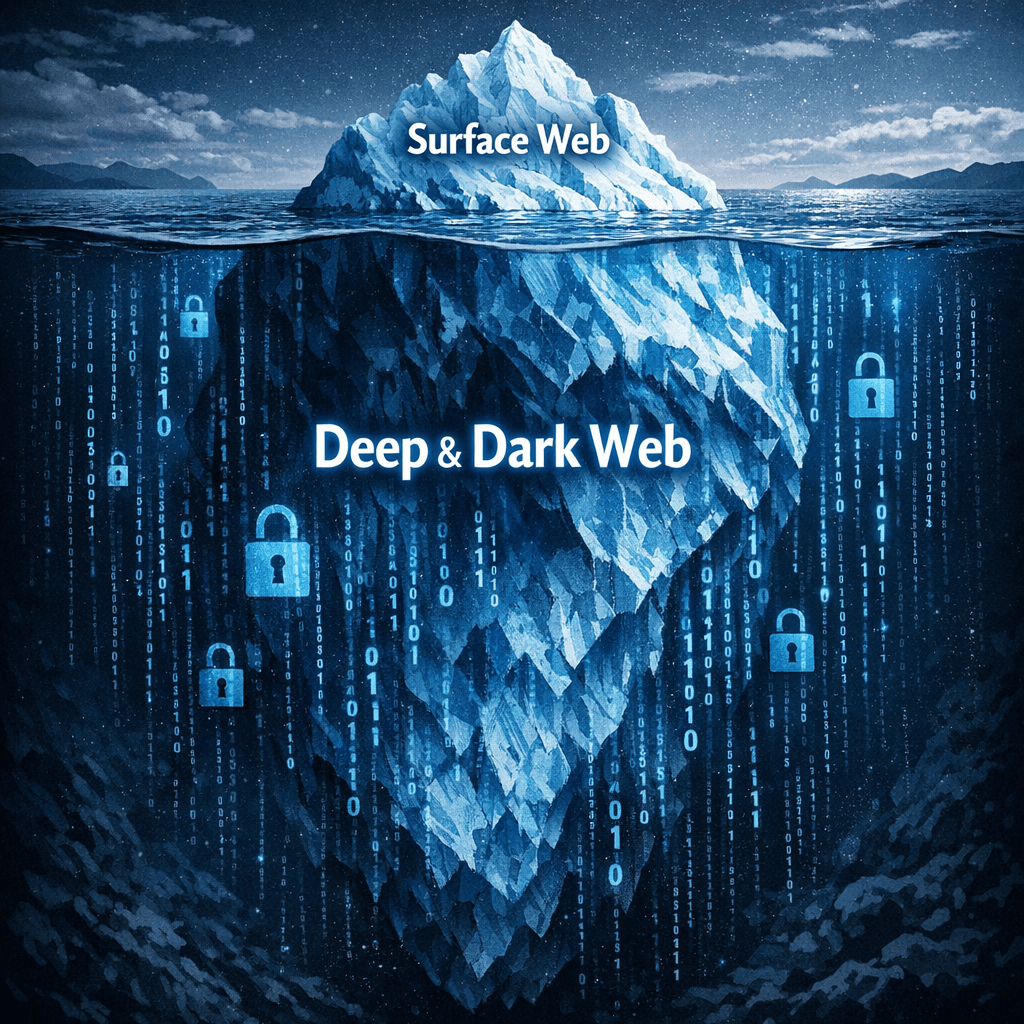
The Dark Web vs. Deep Web: Where Do Cyber Threats Hide?
Confused by the Dark Web and Deep Web? We explain the difference and where cyber threats like stolen credentials and malware actually live.

Space Systems Cyber Threats: Securing the Final Frontier
As space becomes accessible, it becomes a target. From satellite hijacking to ground station jamming, we analyze the unique threats to orbital assets and how threat intelligence secures the new space race.

Metaverse Security: Privacy and Identity in Virtual Worlds
As the enterprise Metaverse expands, so does the attack surface. From avatar impersonation to spatial data theft, we explore the new frontier of virtual threats and how IP reputation protects digital assets.

Threat Intelligence Sharing: How Organizations Fight Back Together
No single organization can monitor every threat alone. Learn how information sharing communities (ISACs), standard protocols like STIX/TAXII, and commercial threat feeds form a collaborative shield against adversaries.

Detecting VPNs, Proxies & Tor: The Hidden Threat in Anonymized Traffic
Legitimate users rarely hide behind Tor or anonymous proxies. Discover how attackers exploit anonymization layers to bypass defenses, and how IP intelligence helps you unmask high-risk traffic in real-time.

Credential Stuffing Attacks: Why Stolen Password Lists Keep Working
Billions of breached username/password pairs are actively weaponized every day. Learn how credential stuffing differs from brute force, why it succeeds at scale, and how to stop it using IP reputation and anomaly detection.

Drone Defense Security: Mitigating Unauthorized UAV Threats
Unauthorized drones pose a threat to critical infrastructure, stadiums, and prisons. This post explores Counter-Unmanned Aircraft Systems (C-UAS), detection methods, and how strict "no-fly" zones are enforced electronically.

Smart City Security: Protecting Critical Infrastructure from Cyber Attack
Connected traffic lights, sensors, and water systems create a vast attack surface in modern cities. We examine the vulnerabilities of smart city infrastructure and the cascading failures a cyberattack could cause.

Satellite Internet Security: Vulnerabilities in Low Earth Orbit (LEO)
Attack surfaces expand vertically as LEO constellations integrate with enterprise networks. This post details orbital jamming, ground station spoofing, and the lack of encryption standards in commercial satellite systems for security engineers.

Cyber Threats 101: Understanding Online Dangers
A beginner's guide to common cyber threats. Understand malware, viruses, and hackers, and learn how to protect yourself online.

Healthcare IoT Security: The Critical Risk to Patient Safety
Connected medical devices (IoMT) introduce life-critical vulnerabilities into hospital networks. From MRI machines to insulin pumps, this guide analyzes the unique challenges of securing legacy firmware and unpatched operating systems.

isMalicious vs Shodan: Threat Reputation vs Attack Surface Discovery
Shodan maps internet-connected devices. isMalicious checks if IPs and domains are malicious. Compare these complementary threat intelligence tools across features, use cases, and pricing to choose the right one.
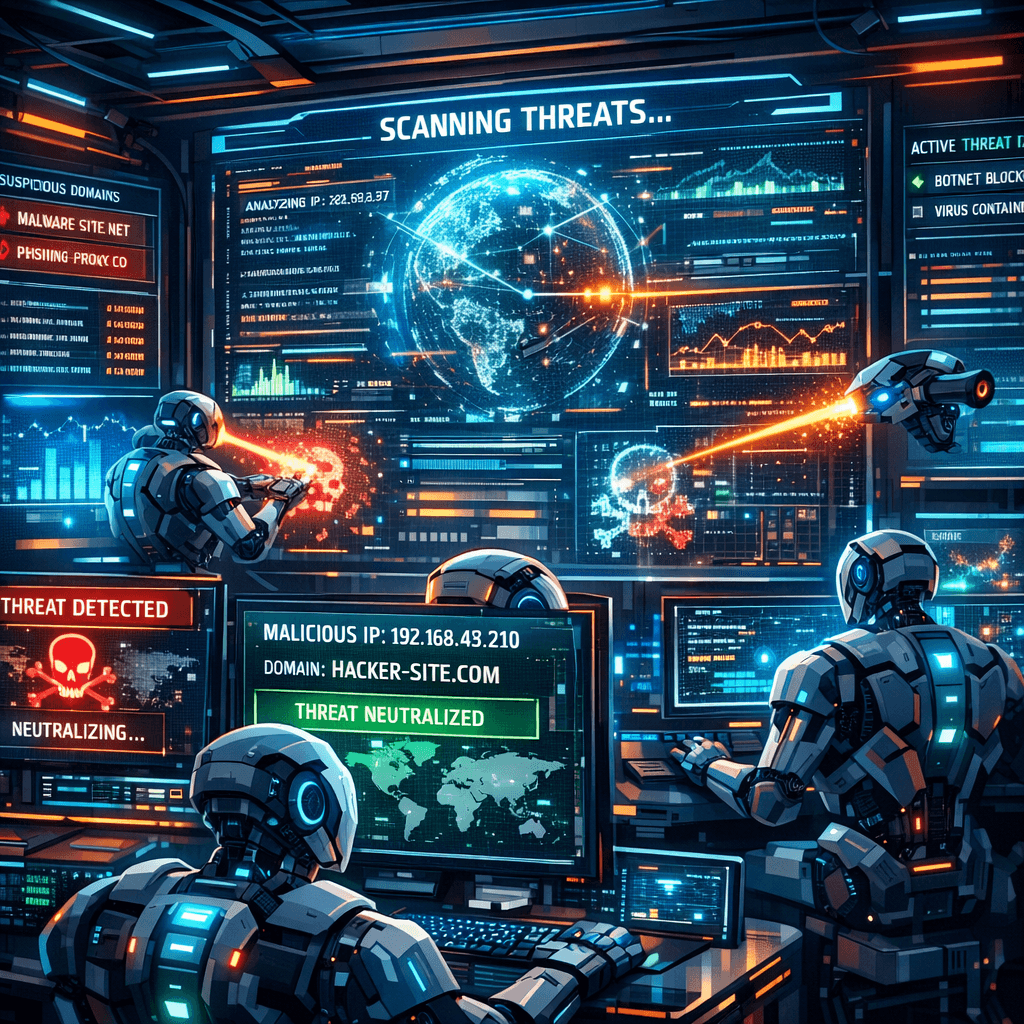
Automating Threat Intelligence: Speed is Your Best Defense
Manual analysis cannot keep up with machine-speed attacks. Learn how to automate threat data ingestion and response to block threats in milliseconds, not minutes.
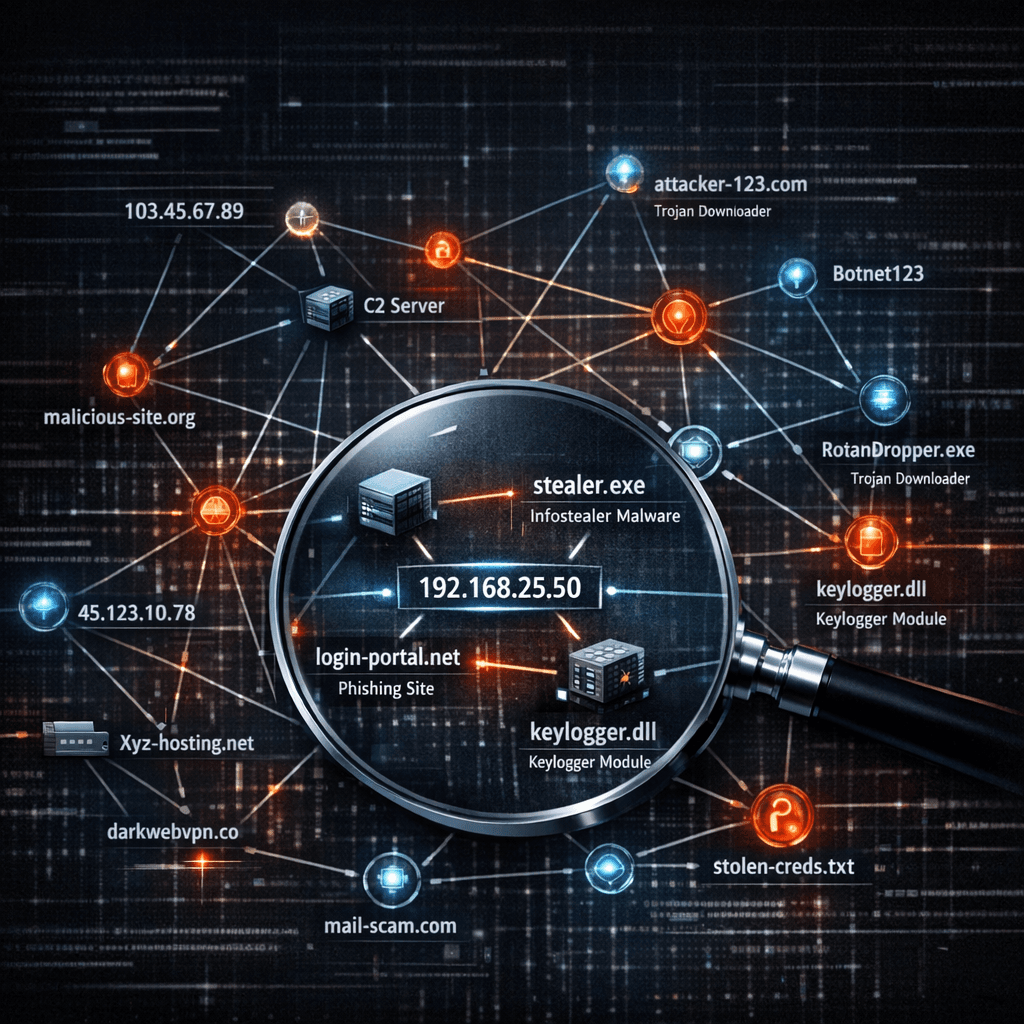
Contextual Threat Intelligence: Moving Beyond Static Blacklists
Static IP blacklists are no longer enough. Discover the power of contextual threat intelligence—connecting IPs, domains, and behavior to see the full attack picture.

Navigating Data Privacy: GDPR, CCPA, and Cybersecurity Compliance
Privacy regulations are reshaping cybersecurity strategies. Understand the key requirements of GDPR and CCPA and how to align your security program with privacy compliance.

Automotive Cybersecurity: Hacking Connected Cars in 2026
With cars becoming data centers on wheels, the attack surface expands into the powertrain, infotainment, and OTA update systems. We analyze CAN bus injection vulnerabilities and the security risks of V2X communication protocols.

Threat Hunting: Proactive Security Detection Beyond Automated Alerts
Waiting for alerts means waiting for attacks to succeed. Learn how proactive threat hunting helps security teams discover hidden threats, improve defenses, and stay ahead of sophisticated adversaries.
Subscribe to Our Newsletter
Weekly threat intelligence insights delivered to your inbox.