
SMTP 550 5.7.1: Find the Cause of an Email Rejection
A 550 5.7.1 rejection can involve recipient policy, authentication, or reputation. Use the full diagnostic and delivery traces to find the cause.

How to Analyze Suspicious Email Headers
Identify trusted servers, interpret Authentication-Results, and investigate a suspicious email without confusing authentication with safe content.
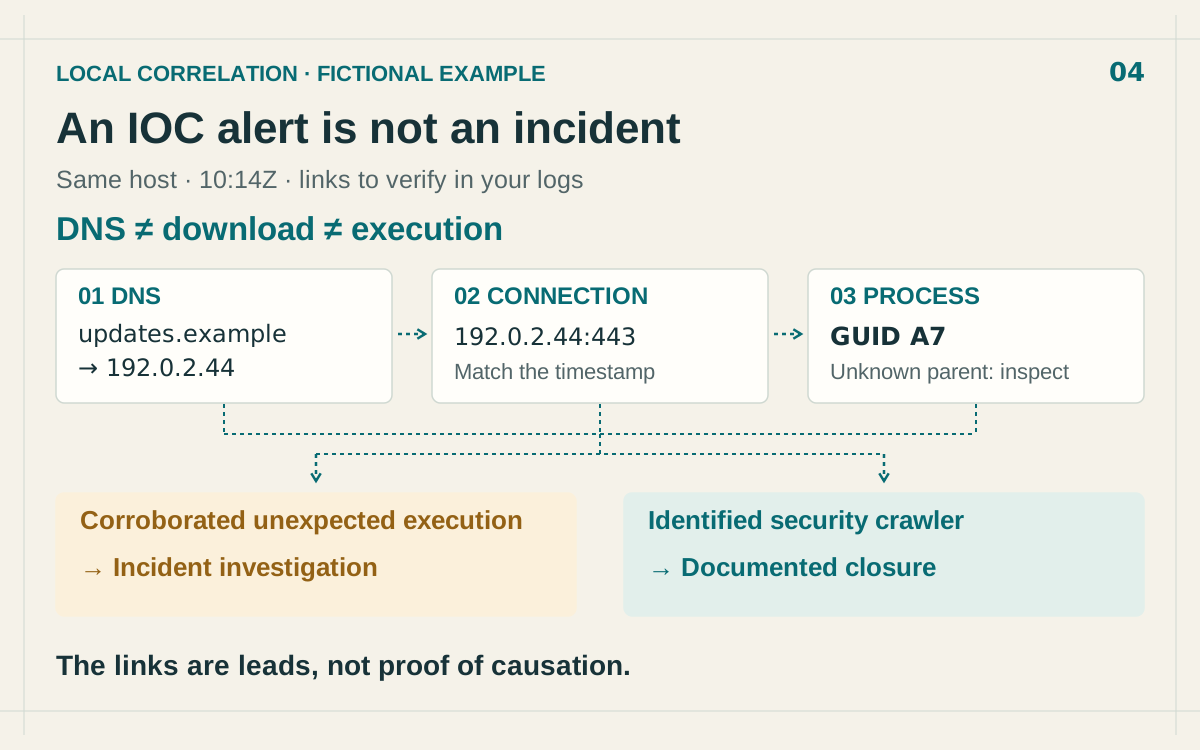
Investigate an IOC Alert: Link IP, DNS and Process Logs
An IOC match is an investigation lead. Correlate DNS, network connections and process records to establish what happened on the endpoint.

Smart Lookup: Check Any Threat Indicator from One Search
Paste an IP, domain, URL, email, phone number, wallet, file hash, or a complete suspicious message. Smart Lookup routes each indicator to the right threat report.
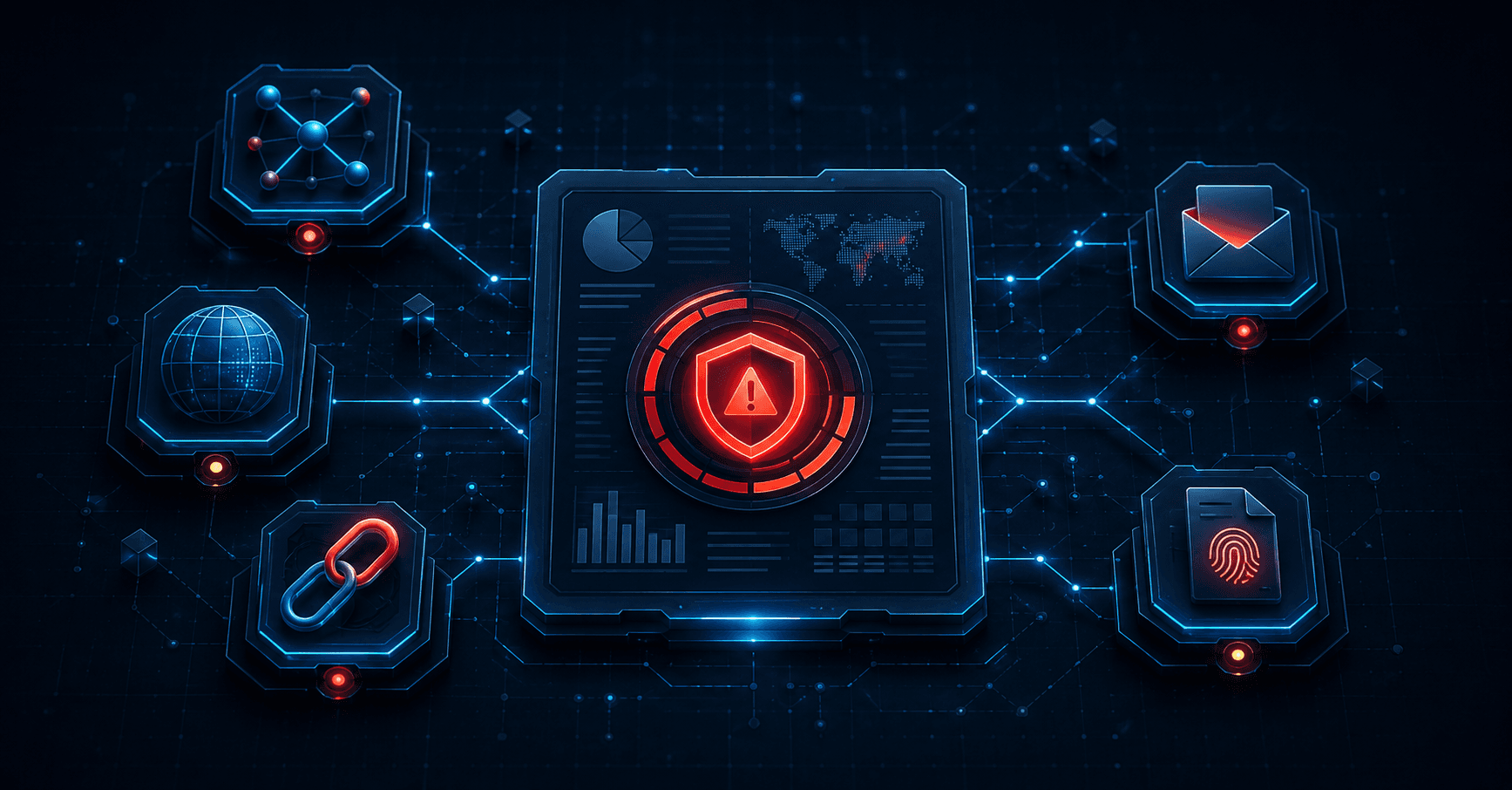
Composite Threat Reports: Triage Multiple IOCs Together
A phishing message or security alert rarely contains one indicator. Use a composite threat report to scope several IOCs without losing the evidence behind each result.

Threats Dashboard: Turn Current Intelligence into Priorities
Use the isMalicious Threats dashboard to move from a broad threat picture to the sectors, ransomware groups, malware, victims, and evidence that matter to your team.

Threat Alerts and Action Center: Build a Response Workflow
Move from monitored indicators and incoming alerts to a ranked queue, analyst validation, and owned response work with isMalicious Alerts and Action Center.
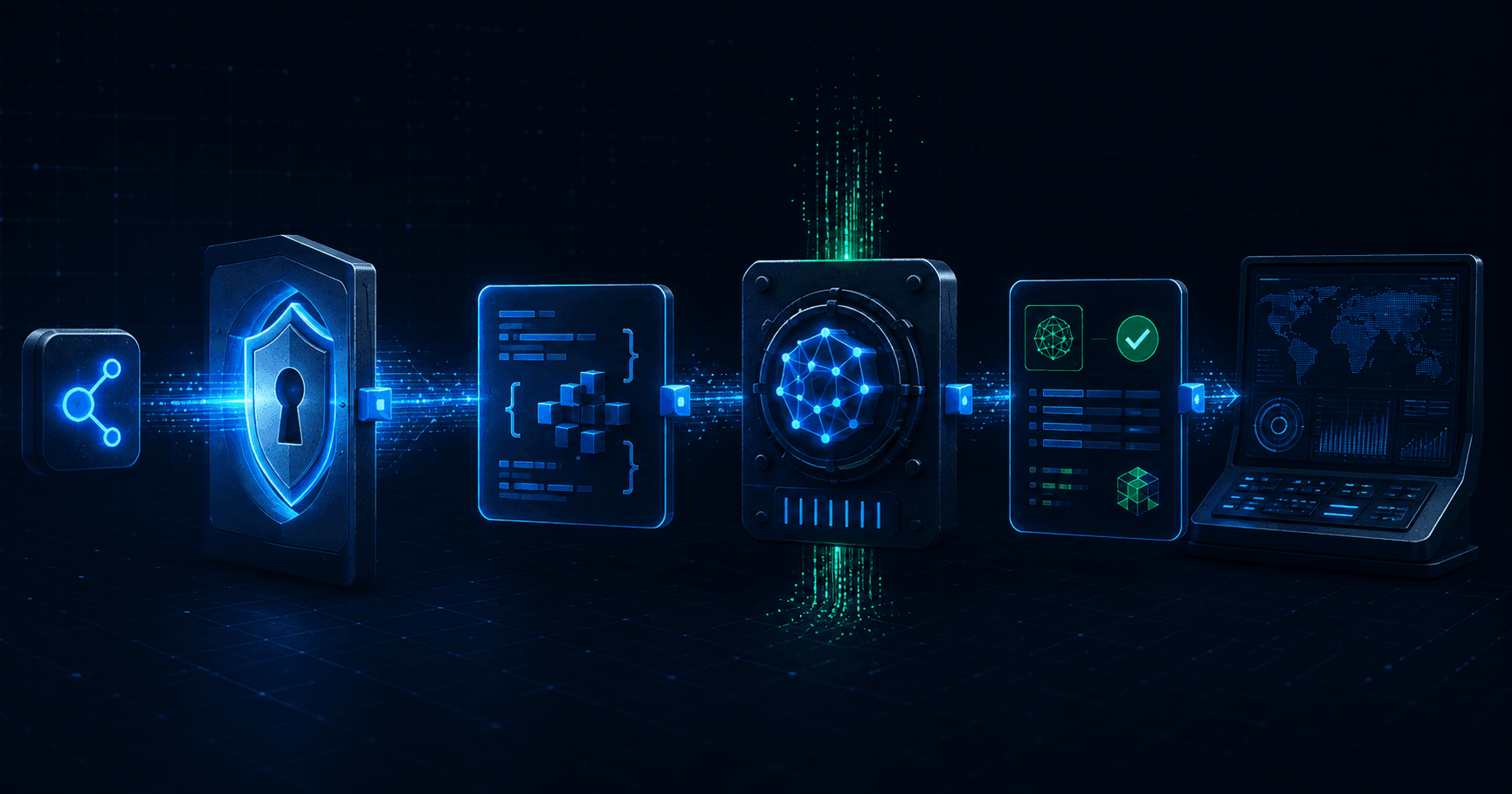
isMalicious API: Make Your First Reliable IOC Lookup
Call the current isMalicious IOC endpoint safely, handle failures, log useful evidence, and move from a terminal test to production.

Threat Report History: Recheck, Monitor, and Reuse Evidence
Use isMalicious report history to find earlier lookups, run fresh checks, add indicators to monitoring, create cases, and export a reusable lookup index.
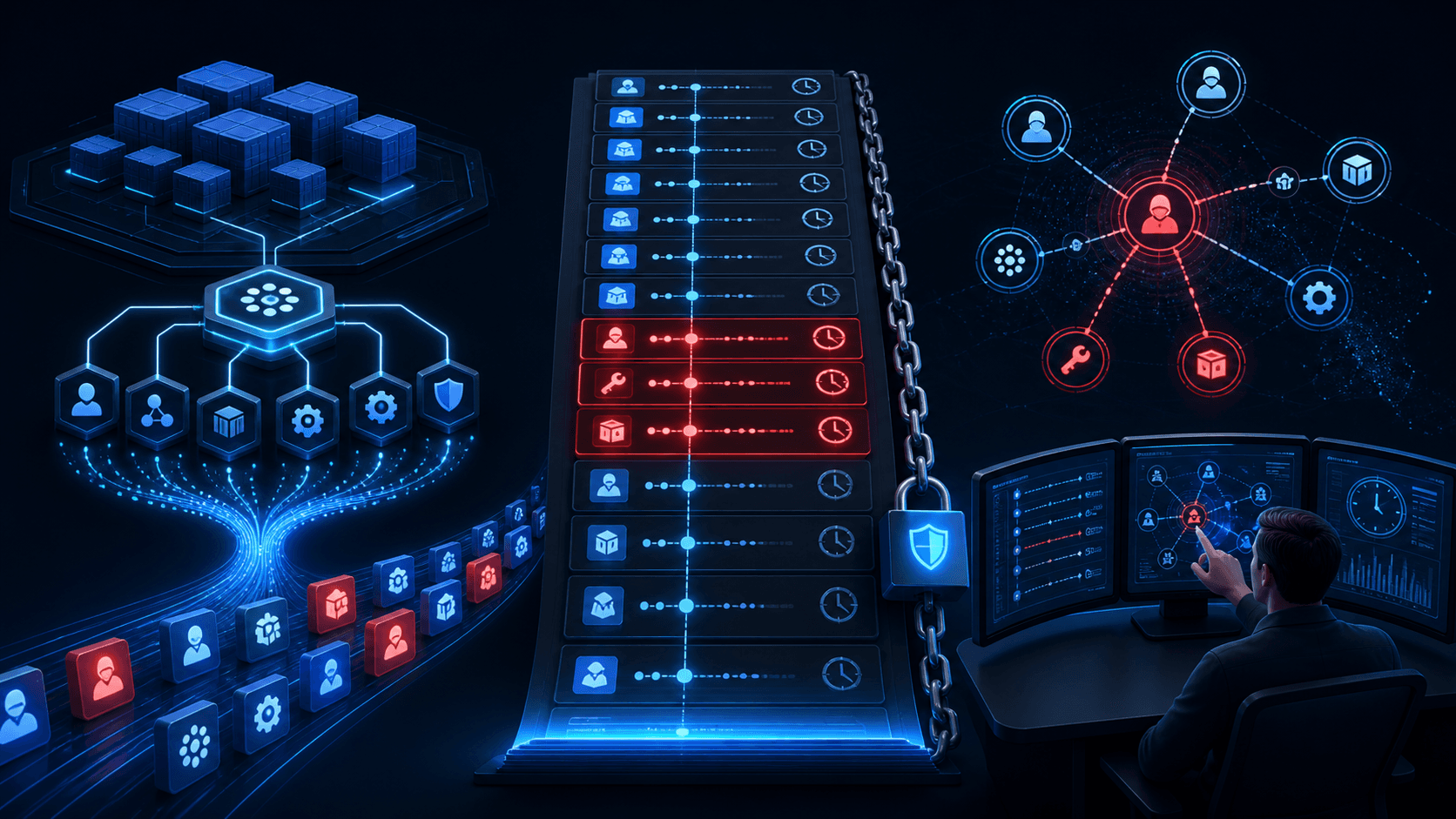
Kubernetes Audit Logs: Threat Detection Guide
Turn Kubernetes audit logs into detections for privilege abuse, secret access, persistence, risky exec, and control-plane compromise.

MFA Fatigue: Stop Push-Bombing Attacks
Detect and prevent MFA fatigue with number matching, rate limits, risk signals, phishing-resistant authentication, and an identity incident playbook.

HTML Smuggling: Detection and Incident Response
Detect HTML smuggling by correlating browser file creation, JavaScript Blob behavior, download telemetry, endpoint execution, and threat intelligence.

Domain Shadowing: Detect Compromised DNS at Scale
Detect domain shadowing by monitoring DNS changes, certificate issuance, subdomain behavior, account security, and infrastructure relationships.

IPv6 Threat Intelligence: Reputation Beyond IPv4
Build IPv6 threat intelligence with correct normalization, prefix context, dual-stack logging, enrichment, and reputation decisions that avoid overblocking.
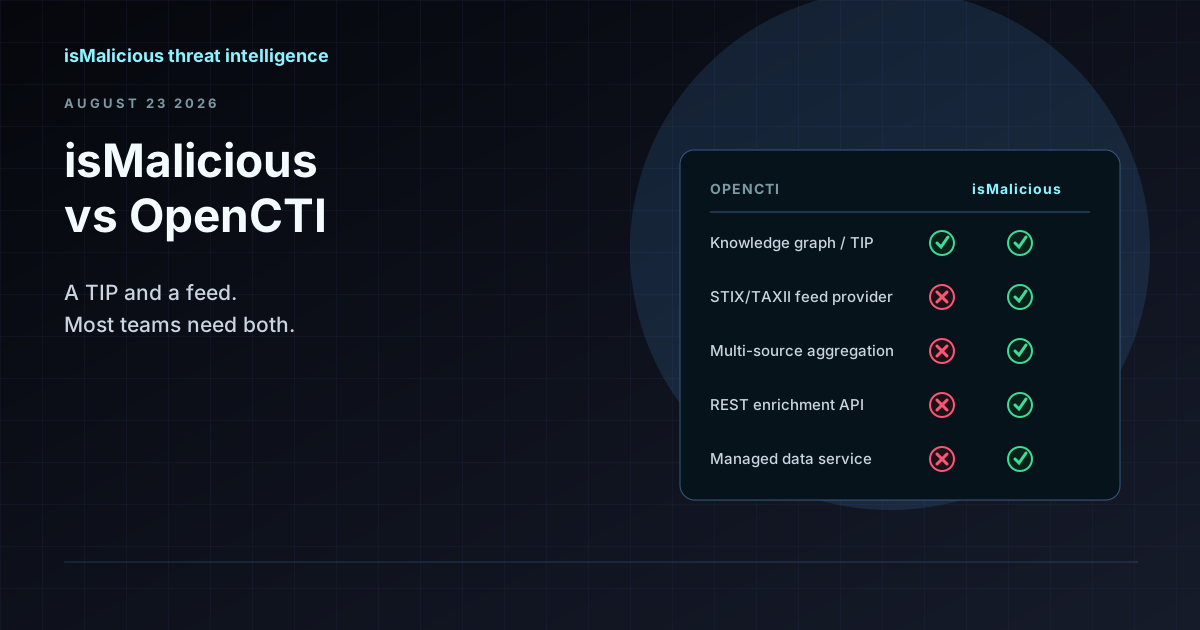
isMalicious vs OpenCTI: Why This Is the Wrong Comparison (and How They Work Together)
OpenCTI is a threat intelligence platform and knowledge graph. isMalicious is a data provider that feeds it. Teams searching for an OpenCTI alternative usually need a feed, not a replacement TIP.
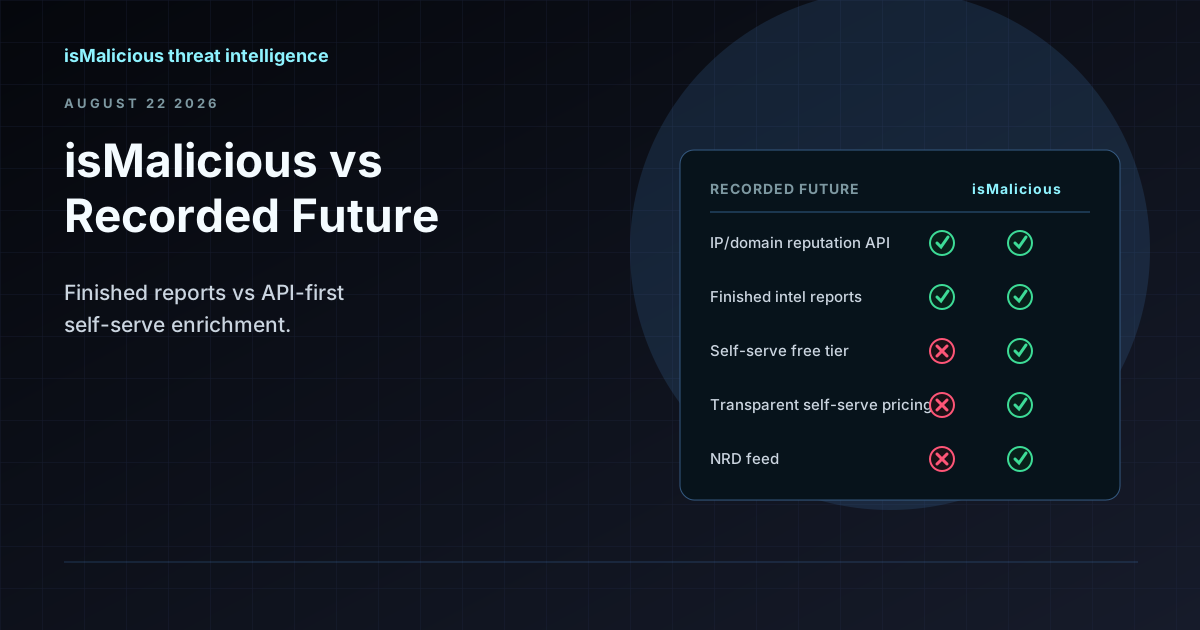
isMalicious vs Recorded Future: When a Threat Data API Makes More Sense Than an Enterprise Intel Program
Recorded Future delivers finished intelligence and analyst support at enterprise scale. isMalicious delivers self-serve enrichment and feeds without a sales cycle. The right choice depends on whether you need strategic reports or automated verdicts.
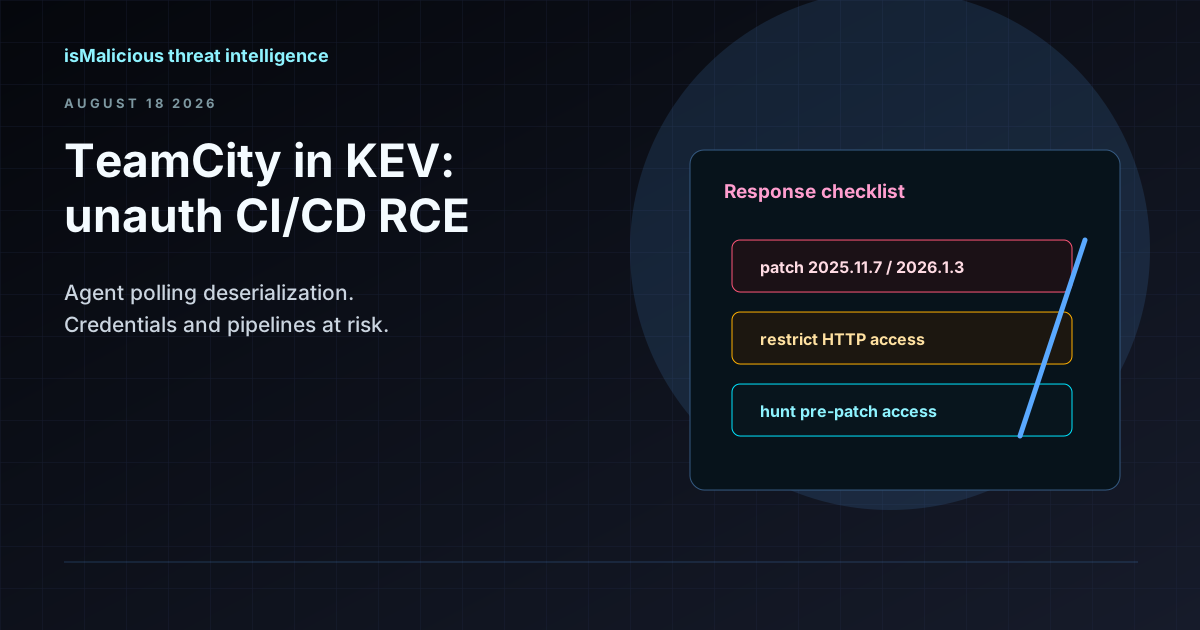
CVE-2026-63077 Puts Unauthenticated RCE on Every TeamCity On-Premises Server
A deserialization flaw in the agent polling protocol gives attackers TeamCity server privileges without credentials. JetBrains patched in 2025.11.7 and 2026.1.3 — CISA KEV and a 3-day federal deadline mean hunt now, not after the next release train.
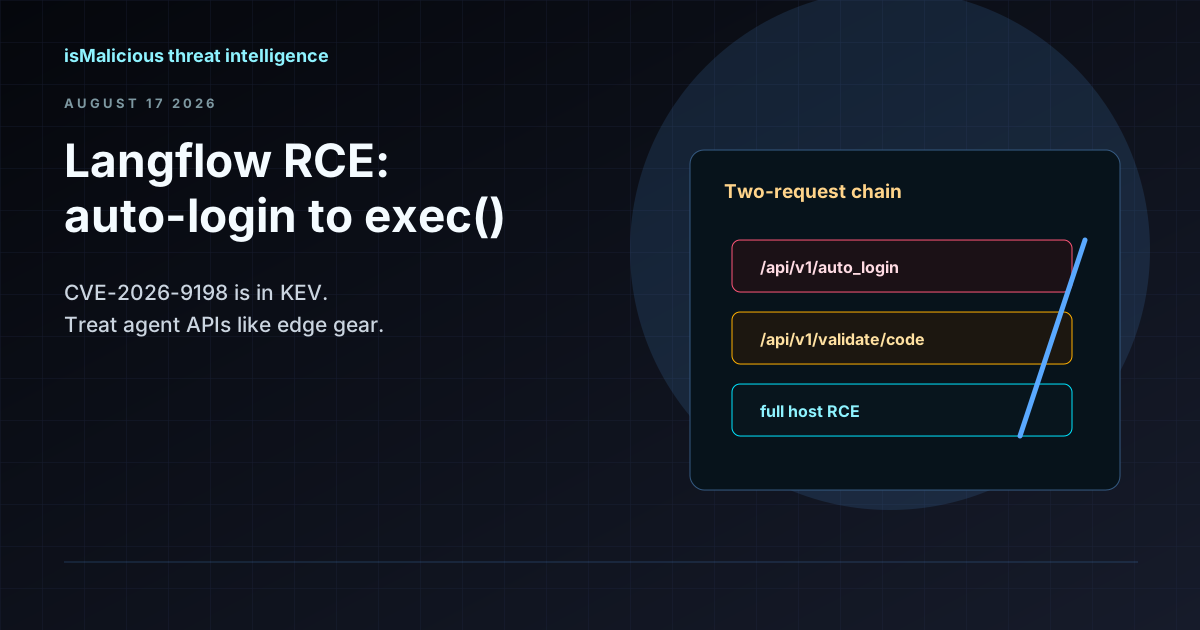
CVE-2026-9198 Gives Unauthenticated RCE in IBM Langflow OSS Agent Control Planes
A SUPERUSER token minted through /api/v1/auto_login chains with Python exec() in /api/v1/validate/code. Langflow 1.10.1 fixes the flaw — but internet-exposed instances need hunting now, not after the next sprint.
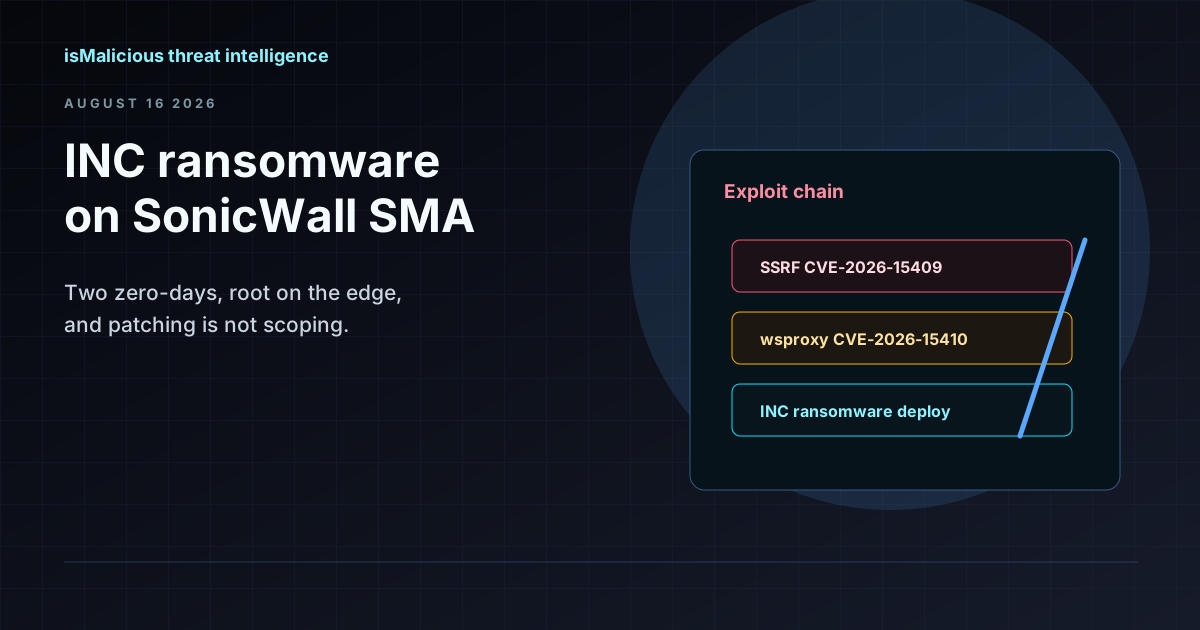
INC Ransomware Chains Two SonicWall SMA Zero-Days (CVE-2026-15409, CVE-2026-15410)
INC affiliates are weaponizing an SSRF and a post-authentication code injection in SonicWall SMA 1000 to reach internal networks. Exploitation started weeks before the July 14 patch — here is how to hunt and triage.
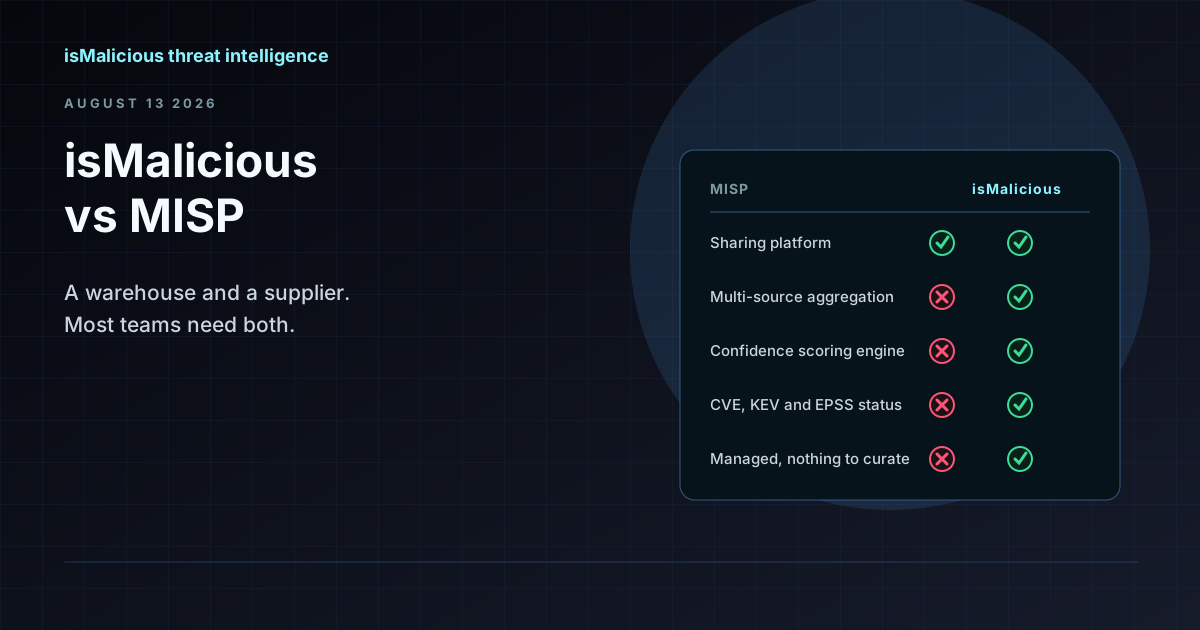
isMalicious vs MISP: Why This Is the Wrong Comparison (and What to Compare Instead)
MISP is where you store and share indicators. isMalicious is where indicators come from. Teams searching for a MISP alternative are usually looking for a feed, not a replacement platform.
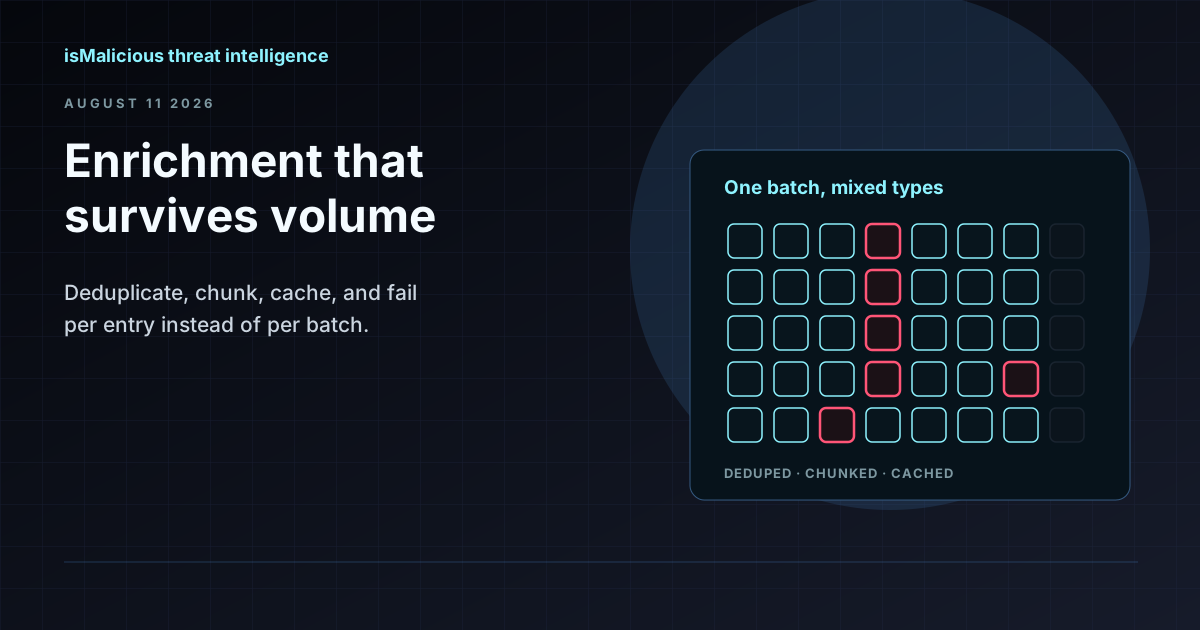
Bulk IP and Domain Lookups: Designing Indicator Enrichment That Survives Real Volume
One incident produces hundreds of indicators, and per-indicator lookups are where triage stalls. Here is how to build a batch enrichment pipeline that respects quotas, deduplicates properly, and fails gracefully.
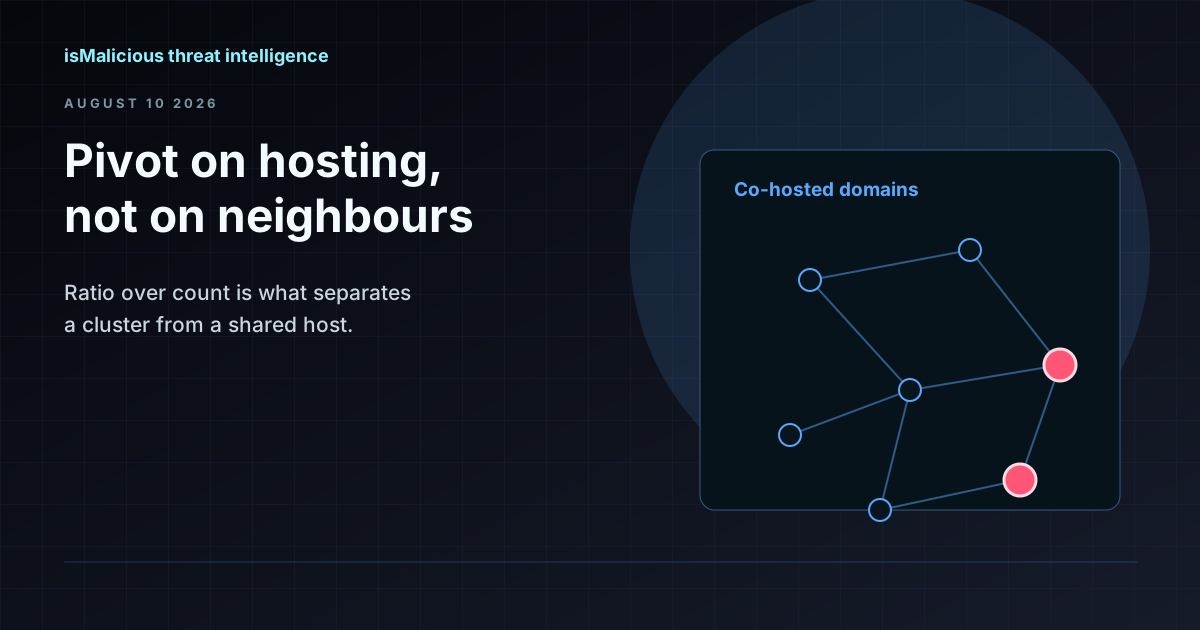
Reverse IP Lookup: Pivoting on Infrastructure Without Drowning in Shared Hosting
A reverse IP lookup turns one indicator into a cluster — or into a thousand innocent neighbours. Here is how to tell the difference, and how to pivot on hosting infrastructure without generating false positives.
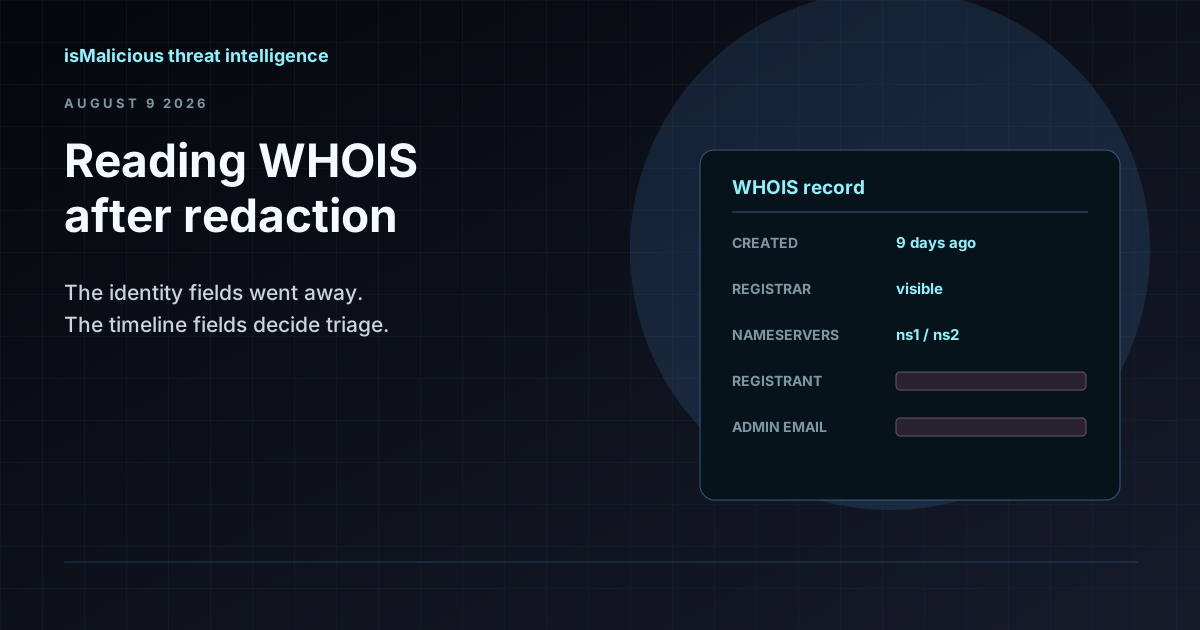
WHOIS Lookup for Security Investigations: Reading a Record After Redaction
Privacy services stripped the registrant name out of most WHOIS records, but the fields that matter for triage survived. Here is what a WHOIS record still tells an analyst, and how to read it.
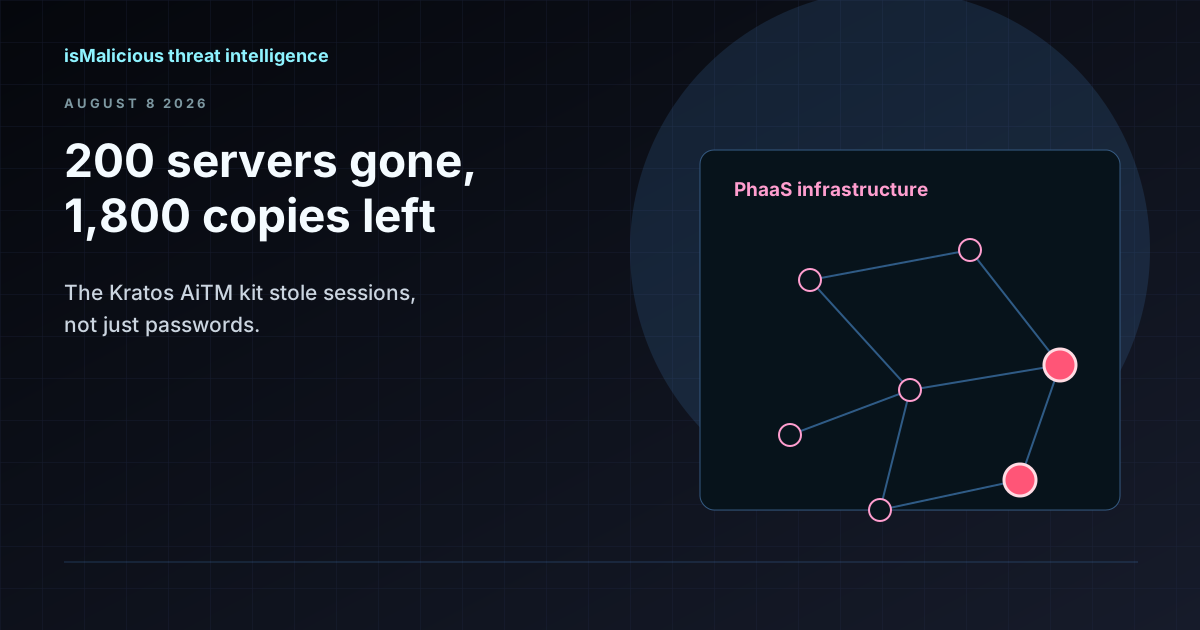
The Kratos Phishing Kit Takedown: 200 Servers Gone, 1,800 Copies Still Out There
German and US law enforcement dismantled Kratos, the AiTM phishing service behind roughly 15,000 Microsoft 365 campaigns a month. The infrastructure is offline, but the kit is not. Here is what to hunt for now.