Multi-source evidence
Commercial, open-source and research feeds, with each match attributed to its source.
How this check works · illustration
A 0–100 risk score, phishing and malware categories, WHOIS and DNS history, with the sources behind each verdict.
curl -d "email=you@example.com" https://ismalicious.com/api/keys/instant50 free requests/month · instant API key · no signup form
Illustration dated 2026-09-01. Indicators, providers, scores and observations are fictional. This is not a current result for these addresses.
example.com
Registration
Email DNS records
A missing DMARC record is an email configuration observation. It does not by itself establish malicious activity.
Sources flagging
3of 4 sources
Confidence
80 %
The score and confidence are illustrative values. Confidence describes support for the assessment; it is not a percentage of sources or a probability of compromise.
Example categories
Example source observations
| Source | Observation |
|---|---|
| Example feed A | Flagged |
| Example feed B | Flagged |
| Example feed C | Flagged |
| Example feed D | Not listed |
“Not listed” means this source has no listing in the example. It is not a clean bill of health.
How to interpret it
Compare source observations, dates and technical context before taking action. This example makes no attribution to a threat actor.
Real reports depend on the indicator, available sources and access level. Missing data is shown explicitly. These panels illustrate how to read the data; they are not an API response schema.
Commercial, open-source and research feeds, with each match attributed to its source.
A 0–100 score with the indicators and confidence behind it.
Malware, phishing, spam, C2, cryptomining and more.
Registrar, registration date and domain age, never more than 24 hours old.
How the domain’s risk has changed over time.
Check a batch of domains in one request: 10 per request on Free, 100 on Pro, 500 on Enterprise.
Check sender domains and links before delivery.
Block malicious sites at the proxy.
Add domain reputation to alerts for faster triage.
Screen domains at sign-up and checkout.
New to the term? Read the glossary definition.
Blog post
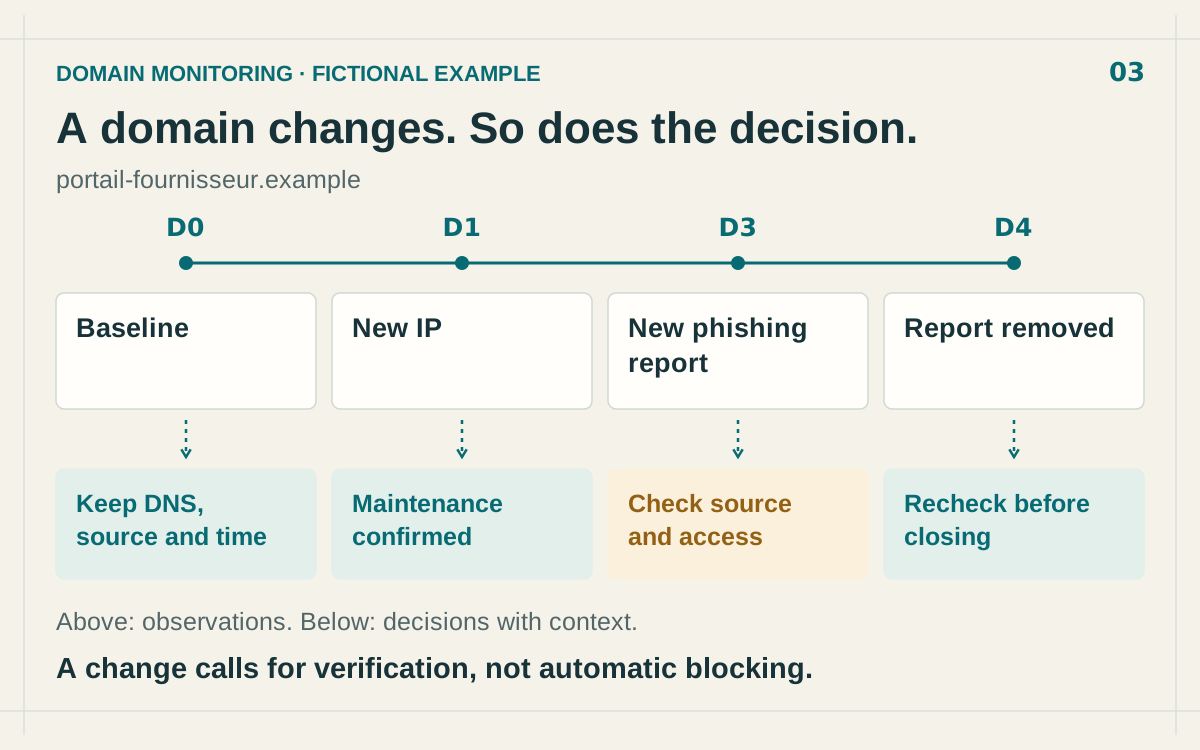
Track domain reputation over time: distinguish a new phishing report from expected DNS changes, then decide what to verify before restricting access.
Read more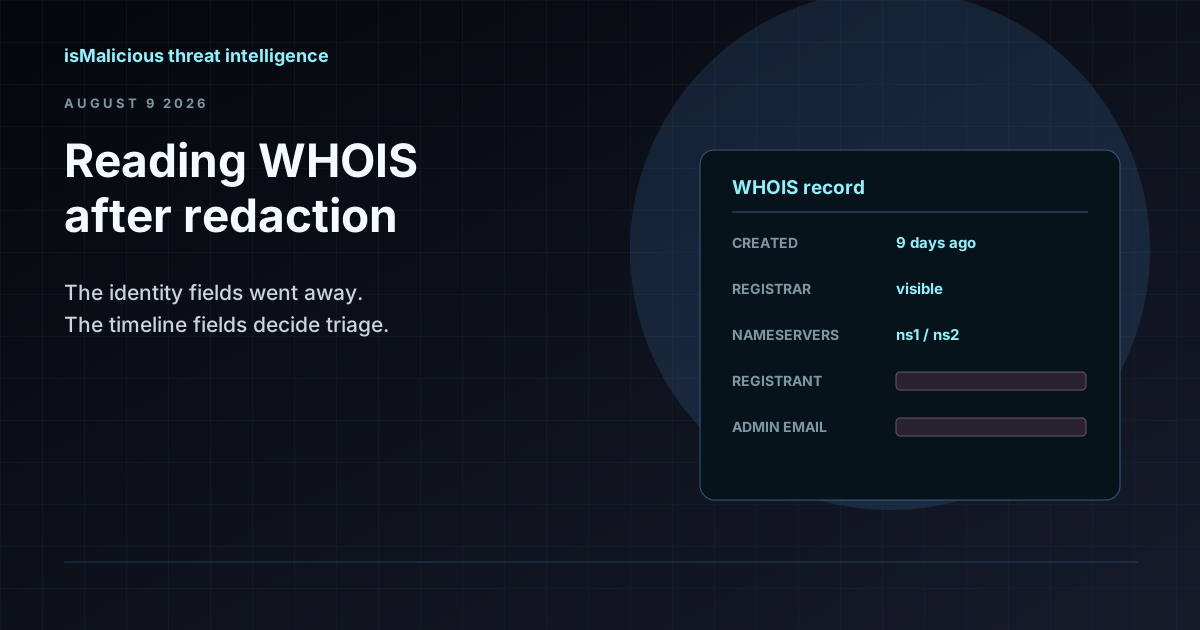
Blog post
Privacy services stripped the registrant name out of most WHOIS records, but the fields that matter for triage survived. Here is what a WHOIS record still tells an analyst, and how to read it.
Read more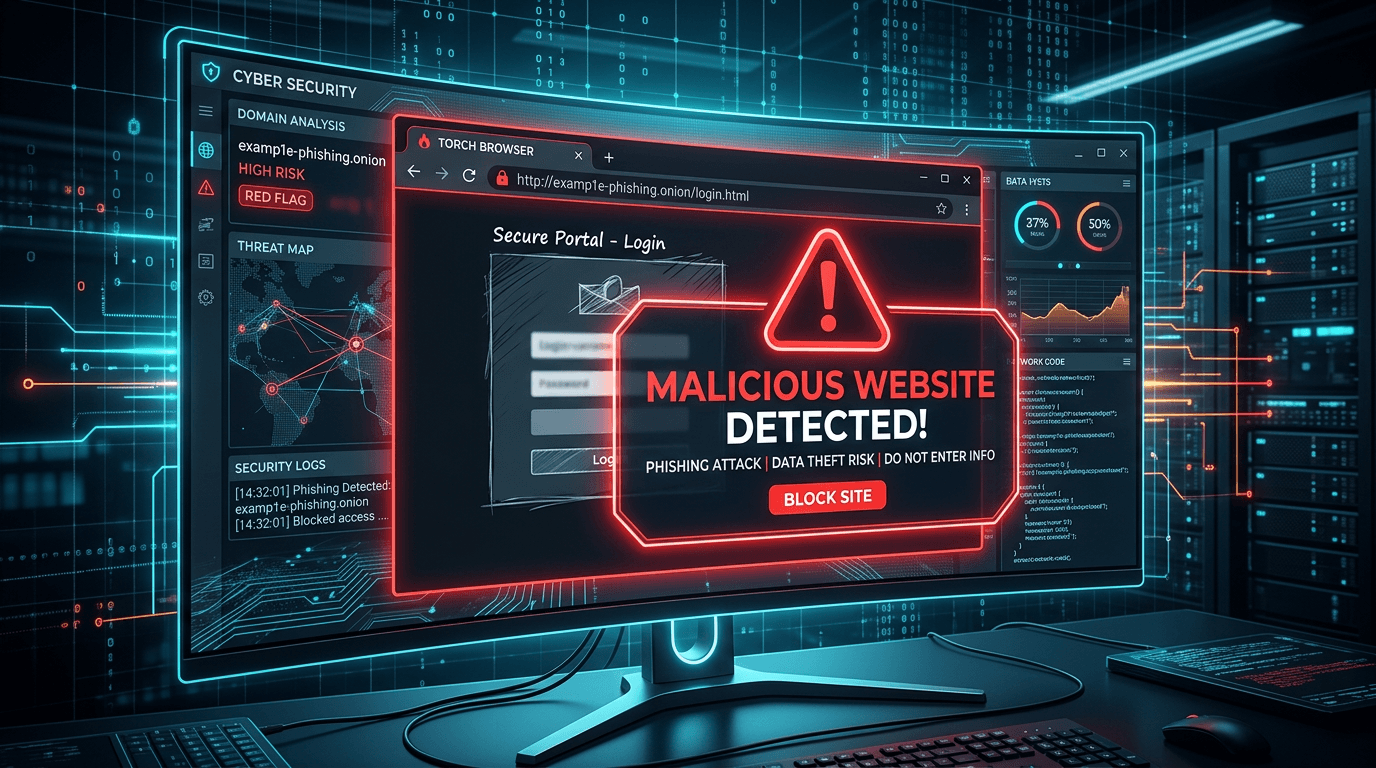
Blog post
Malicious websites are the launchpad for phishing, malware distribution, and credential theft. Learn how domain lookup tools use reputation data, WHOIS analysis, and threat feeds to identify dangerous domains before your users click.
Read moreThe free plan includes 50 lookups a month. Check the sources and limits, then connect the API.
No credit card required · Free API key