Threat Intelligence Blog
Research, insights, and updates from the isMalicious team. Page 2 of 2.


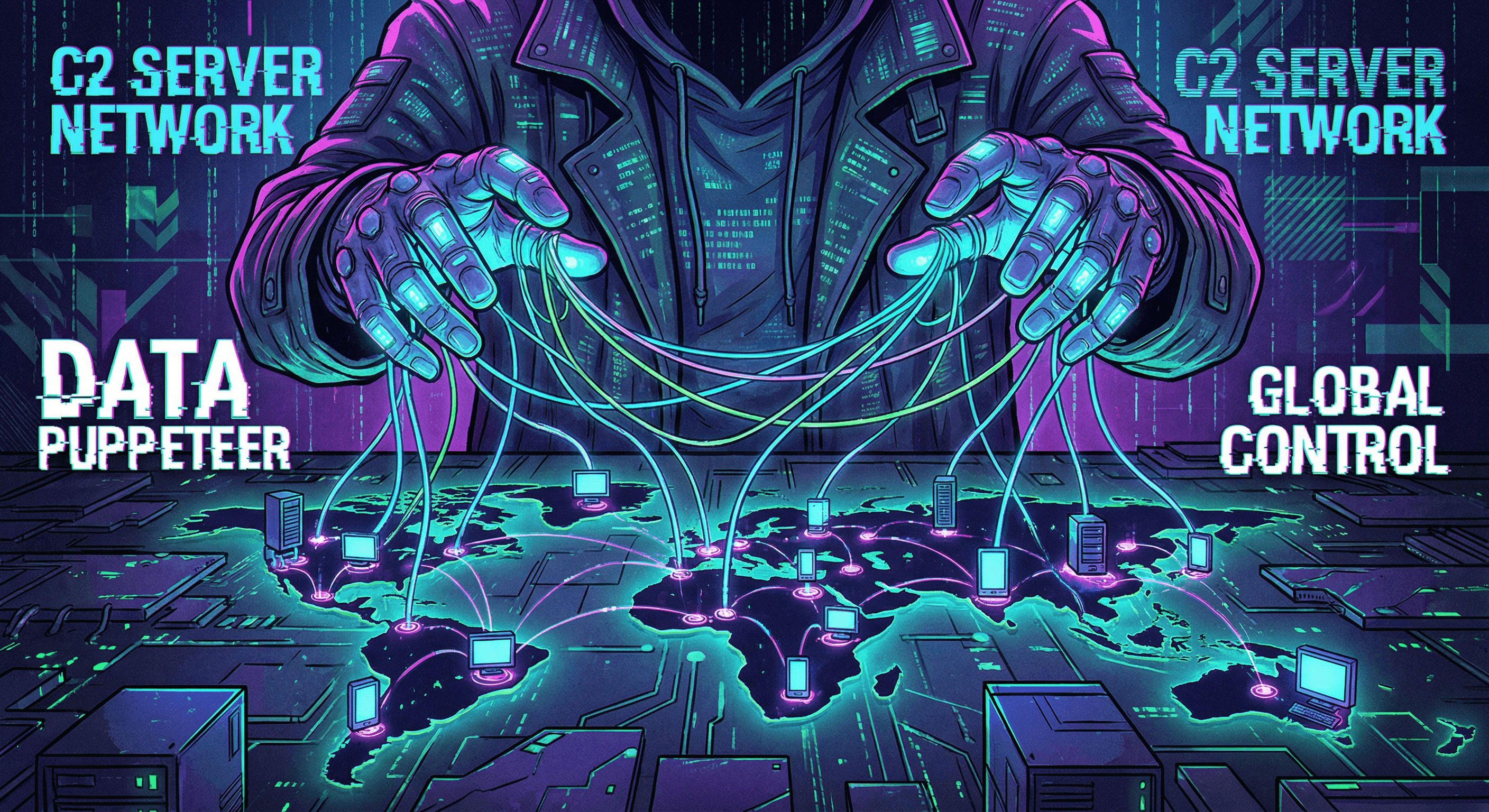
What Is a C2 Server? Detection Explained
Command-and-control servers run botnets and ransomware. How C2 traffic works, what it looks like on your network, and how to detect it.

Why Your SaaS Needs to Block Disposable Email Addresses Immediately
Disposable and temporary email addresses can enable fraud, spam, and abuse. Learn how disposable-domain detection supports account controls and sender reputation.
Biometric Spoofing: Defeating Authentication in an AI World
Are fingerprints and facial recognition truly secure? We explore the techniques attackers use to spoof biometric sensors, from 3D-printed faces to synthetic voice cloning.

AbuseIPDB Alternative: IPs, Domains & URLs
AbuseIPDB covers IPs only. See how isMalicious compares on domain and URL coverage, free-tier limits, enrichment, and monitoring — side by side.

The Deepfake Threat: Protecting Enterprise Security in the Era of AI
AI-generated video and audio are becoming indistinguishable from reality. Explore the rising threat of deepfakes to enterprise security and how to defend against synthetic media attacks.
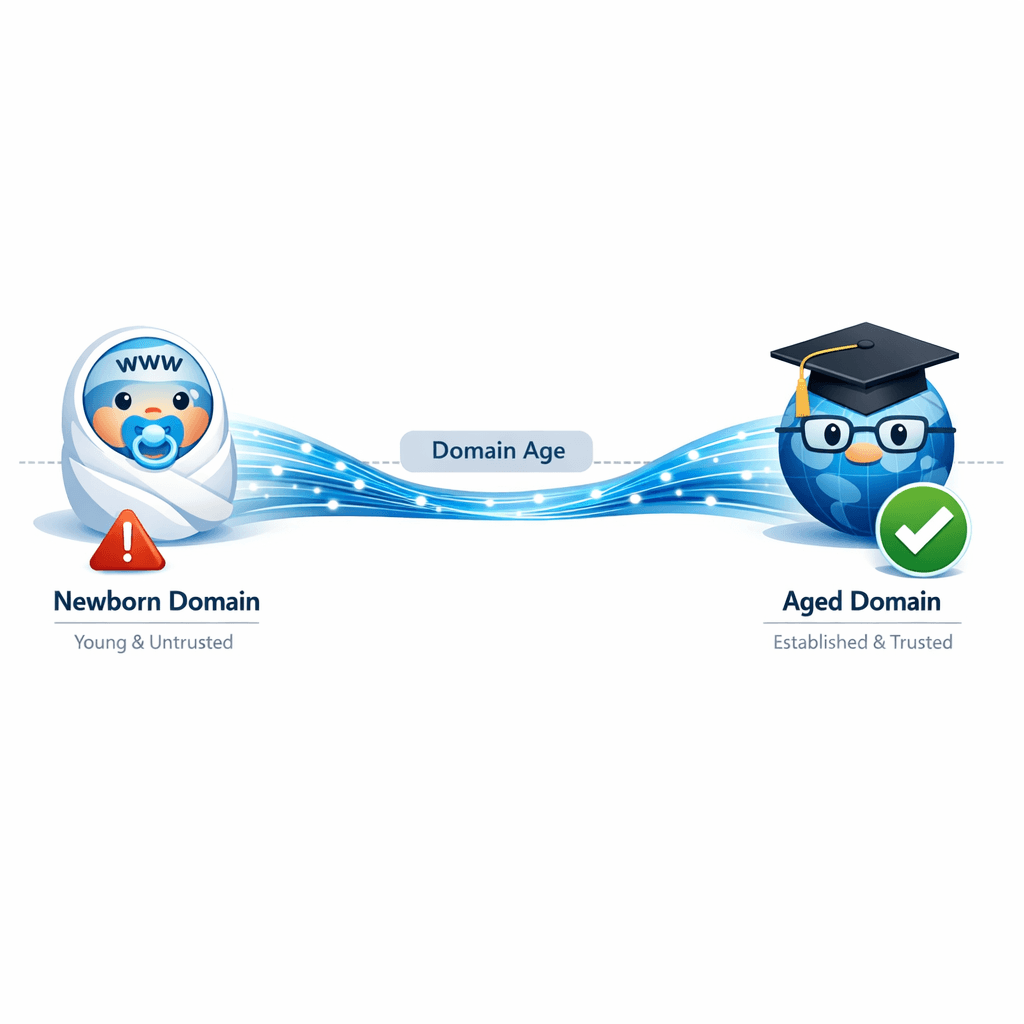
Domain Age as a Risk Indicator: Why "New" Often Means "Danger"
Newly registered domains (NRDs) are a favorite tool for threat actors. Learn why domain age is a critical signal in your threat intelligence stack and how to use it effectively.

Email Authentication: Implementing DMARC, SPF, and DKIM for Email Security
Email spoofing enables phishing and business email compromise attacks. Learn how DMARC, SPF, and DKIM authentication protocols protect your domain from being impersonated in cyberattacks.

Business Email Compromise: The Multi-Billion Dollar Threat
BEC attacks cost organizations billions annually through sophisticated impersonation and social engineering. Learn how domain spoofing detection and threat intelligence can protect your organization from CEO fraud and invoice scams.
AI-enabled Cyberattacks: How Threat Actors Use Machine Learning
Cybercriminals are weaponizing artificial intelligence to launch sophisticated attacks at unprecedented scale. Learn how AI-enabled threats work and how threat intelligence can help you defend against them.
Subscribe to Our Newsletter
Weekly threat intelligence insights delivered to your inbox.